Benzyl Acetate: More Than a Simple Fragrance
Historical Development
Benzyl acetate emerged as a known chemical over a century ago thanks to the curiosity of chemists breaking down the makeup of natural substances. Perfumers and food scientists alike noticed its presence in jasmine and other sweet-smelling flowers. Early applications started with scent; perfumes in the late 19th century often listed it as a key ingredient, and soon enough, it became a staple for adding a floral touch to flavors and fragrances. Industrial producers ramped up synthesis, and before long, this compound moved from luxury perfumery to everyday soaps, cleaners, and even chewing gum. Modern use traces back to the groundwork laid by organic chemists piecing together how alcohols and acids form esters—giving us insights that fuelled a whole branch of organic chemistry used in labs and factories everywhere.
Product Overview
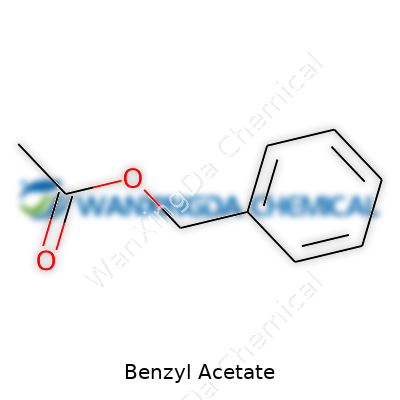
Benzyl acetate goes far beyond its pleasant smell. The molecule combines benzyl alcohol with acetic acid, forming an ester that packs both volatility and stability. This means a bottle can sit on the shelf without rapidly degrading, yet give off a signature scent when added to open air or mixed in a solution. People gravitate toward the fresh, sweet, almost fruity note it imparts—so much so, food engineers have added it to fruit flavors and beverages while perfumers blend it into iconic colognes. More surprising uses keep emerging: insect attractants, textile processing aids, and chemical intermediates highlight just how versatile this compound turns out to be.
Physical & Chemical Properties
Benzyl acetate comes as a clear, colorless liquid that carries a strong scent reminiscent of jasmine. Spilling some on a bench lingers for hours, proving how enduring even its traces can be. The liquid mixes with most organic solvents, including alcohol and ether, but separates from water, which lines up with how perfumers extract key notes from flowers and blend them with oils. Boiling point sits high enough for processing—over 200°C—but not so high that practical blending becomes a headache. Its chemical backbone—an ester—tends to avoid rapid reactions with most everyday substances, which lets companies weave it into a range of consumer goods.
Technical Specifications & Labeling
Chemists grade benzyl acetate by its purity and source, but shoppers rarely peek past the ingredient label. In laboratory and industrial settings, suppliers list its molecular weight, boiling and melting points, and potential impurities, helping buyers match material with an intended use. Accurate labeling proves crucial when batches head for foods or perfumes, as contaminants can cause both headaches and lost sales. Regulatory bodies set up threshold limits, and many companies test incoming lots to confirm the absence of unwanted byproducts like unreacted benzyl alcohol, water, or acetic acid. Analytical data get reviewed not only for safety reasons but also for consistency in flavor and fragrance jobs.
Preparation Method
Factories synthesize benzyl acetate using acetic acid and benzyl alcohol, often with a strong acid catalyst to speed up the esterification. This classic process—known for generations—lets plants churn out bulk quantities without massive energy input or hazardous byproducts. The reaction needs careful control of temperature and acidity to avoid side reactions, which seasoned chemists keep an eye on. Removing water as a byproduct ensures the reaction heads toward completion, a trick borrowed from earlier organic chemistry students trying the same reactions in glassware. These steps, repeated worldwide, ensure a steady stream of this useful ester into supply chains.
Chemical Reactions & Modifications
Chemical modification of benzyl acetate doesn’t grab many headlines, but advanced labs look to it as a starting block for more complex syntheses. The ester functional group can hydrolyze back into benzyl alcohol and acetic acid under strong acidic or basic conditions, a trick chemical engineers use when recycling or cleaning up waste streams. Under the right conditions, other reagents help swap out the acetyl group, leading to a range of derivatives. Beyond direct modification, chemists have developed methods to selectively oxidize, reduce, or otherwise tweak the molecule, opening up entirely new uses in dye manufacture or pharmaceutical intermediate production.
Synonyms & Product Names
Benzyl acetate answers to quite a few names in both scientific catalogues and day-to-day parlance. Chemists tag it as acetic acid benzyl ester, and historic German literature calls it “Essigsäurebenzylester.” In trade, fragrance companies and flavor houses stick to “benzyl acetate,” but end-users sometimes call it by natural source—jasmine essence or pear oil—especially when aiming for marketing flair. Standardized chemical databases stick with CAS numbers to avoid mix-ups, and modern regulations rely on universally recognized identifiers to keep different forms straight when crossing borders.
Safety & Operational Standards
Anyone who’s handled pure benzyl acetate learns the importance of safety protocols quickly. It carries a mild toxicity if swallowed and can irritate skin and eyes at high concentrations. Global safety standards require use of gloves and protective eyewear, especially where larger volumes get transferred or sprayed. Proper ventilation prevents buildup of vapors, since inhaling the concentrated smell can make even a seasoned chemist dizzy. Factories and labs store it in tightly sealed drums, away from ignition sources, and offer thorough training to anyone responsible for moving bulk quantities. Regulatory bodies set workplace exposure limits—companies take these rules seriously to avoid both acute and long-term health issues on the shop floor.
Application Area
Most people unknowingly encounter benzyl acetate through scented consumer goods. It lines the ingredient lists of soaps, shampoos, laundry detergents, and almost every major perfume on the market, lending an unmistakable freshness. Food scientists add minute quantities to candies and drinks to boost fruit notes, especially in products replicating apple and pear flavors. Lesser-known but no less important uses involve solvents for resins and inks, and even aids in the plasticizer industry where flexibility and workability of polymers benefit from ester compounds. Agricultural sectors take advantage of benzyl acetate as an attractant for pollinators or pest-trapping blends, a detail lost on most grocery shoppers but critical to greenhouse operations.
Research & Development
Researchers push boundaries in synthesizing purer and more environmentally friendly benzyl acetate. Some focus on biotechnological routes, harnessing yeast and enzyme catalysis to make esters without petrochemical feedstocks. Industry research groups look at recycling side streams and capturing emissions, not only for cost reasons but also to meet stricter environmental standards. Analytical chemists develop improved testing methods, sharpening their ability to spot trace levels of contaminants or inadvertently formed byproducts. For me, watching this progression up close drives home how seriously companies take incremental change; every refinement means safer workplaces, better end products, and less environmental impact. These small shifts, multiplied across continents, shape the larger chemical supply landscape.
Toxicity Research
Toxicologists approach benzyl acetate from both environmental and human health angles. Studies point out that while acute exposure stays low risk at ordinary use levels, large doses or chronic contact can pose real hazards. Animal studies, widely published in scientific literature, guide safety regulations, setting exposure thresholds and helping regulators balance risk versus utility. Research keeps tabs on breakdown products, making sure downstream metabolites don’t pile up unexpectedly in waste streams or biological systems. Academic teams continue tracking its role in allergies and sensitivities, communicating findings through regulatory updates and public health advisories. These ongoing efforts help refine both consumer confidence and industry standards.
Future Prospects
Looking ahead, benzyl acetate holds promise for greener chemistry and new applications. Efforts to produce it from renewable resources continue to gain traction, as sustainability pressures mount across industries. Advances in fermentation and enzyme-catalyzed esterification could reshape how companies approach both cost and carbon footprint. Diversifying usage also plays a role—forward-thinking chemists scan for new outlet markets ranging from specialty coatings to sophisticated drug delivery systems. What started as a simple floral note now looks poised to figure in cutting-edge technology, proving once again that basic chemical know-how builds the foundation for endless innovation.
Aromas From Chemistry’s Secret Weapon
Most folks haven’t heard of benzyl acetate, but plenty have enjoyed its results. Walk past a flower shop or open a bottle of shampoo, and you might catch its fingerprint in the air. Benzyl acetate makes up part of many scents, especially floral ones. Makers of perfume and cologne use it for that bright, sweet aroma that sticks around but never comes off as heavy. The compound occurs naturally in jasmine, ylang-ylang, and even some ripe fruits, but manufacturing delivers it at the scale needed for all kinds of products.
Inside Everyday Goods
My own introduction to benzyl acetate happened through work around cleaning products. A lot of household sprays try to mask harsher cleaning agents, leaning into that same sweet floral signature found in perfumes. Beyond cleaning aisles, countless personal care staples—conditioners, lotions, soaps—draw on benzyl acetate for a smooth, natural-smelling finish. It gives a lift to fruit and flower-themed scents, but blends quietly with spices and woods. Food flavor factories use tiny amounts too. Strict regulation covers its use in foods, so you’ll find it in things like chewing gum and baked treats, never in piles or dangerous doses.
Industry Leaning on Chemistry
Benzyl acetate’s story doesn’t end with a pleasant smell or taste. If you’ve gotten your hands messy with paint thinners or removers, you’ve met another side of this compound. Thanks to its solvent properties, it helps break down oily residues in industrial and home applications. It pops up in the textile field during dye production, and factories rely on it when they need a solvent that won’t leave sharp or toxic vapors in the air. In the grand scheme, that helps bridge the safety gap between industrial powerhouses and everyday spaces.
Health, Safety, and Moving Smarter
Research supports that low concentrations put in consumer goods line up with safety guidelines. The flavor and fragrance industry regularly reviews the health effects of these molecules. Workers in plants making or using benzyl acetate do face higher exposures, which means proper ventilation and protective gear matter. I’ve seen regulations at factories level up over the past decade, most of it aimed at protecting workers’ lungs and skin. Big organizations like the Food and Drug Administration in the United States give the green light for tiny food doses, but keep an eye on new findings all the same.
Why It Matters
People notice the ways manufacturers bring chemistry and nature together. With more focus on natural sources these days, some companies have started extracting fragrances from plant material again, rather than relying solely on labs. That comes with higher costs and scale problems, though. Lab-made benzyl acetate helps keep prices accessible and supplies reliable, which means even the lower-cost brands on store shelves can offer scents that make a product pleasant to use. Thoughtful regulation ensures it gets used widely in ways that keep consumers and workers safe.
Room for Safer, Greener Solutions
I’ve noticed more effort to replace synthetic materials with plant-based or bio-derived options, though the challenge lies in balancing cost, performance, and consistency. Teams working on green chemistry continue searching for ways to pull the same sweet note straight from renewable sources without burning through natural habitats. In the meantime, benzyl acetate remains a workhorse, powering fragrance and flavor, improving cleaning, and connecting chemistry with experience. Keeping discussions open among industry experts, regulators, and everyday users only raises the bar for safer formulas and mindful use.
Touching on Real-World Use
Benzyl acetate often pops up in perfume, soap, cleaners, and even some cosmetics. It adds a recognizable sweet, floral kick. Plenty of folks have rubbed in a cream or washed with a body wash that lists this ingredient. Rarity in fragrance doesn’t make something harmless, though. Skin has a knack for telling you straight up if it doesn’t like what you’ve put on it.
What the Science Says
Researchers and regulators have spent time digging into the effects of benzyl acetate on skin. Regulatory bodies, such as the European Chemicals Agency, point out that exposure can irritate. At higher doses or after repeated contact, some people break out in rashes or develop allergic contact dermatitis. Most of the time, these cases don’t pop up from trace amounts found in personal care products but come after a bigger dose or extended exposure.
The U.S. Environmental Protection Agency and others classify benzyl acetate as “generally safe” at low concentrations. In personal products, it rarely tops 1%, often much less — enough for scent, not enough for most skin to react. Still, they recommend limiting direct and prolonged skin contact, especially choosing safer alternatives in products meant to stay on skin for hours.
Watching for Individual Differences
One person’s perfect scent can spell red blotches or itching for someone else. Sensitive skin, already under duress from eczema or regular flare-ups, faces the biggest gamble. Even the best-regarded ingredient, used daily, has the potential to set off a reaction in a subset of users. Reading labels and patch testing a new cream on a small area avoids surprises. That single step cuts down risk, something anyone who’s had a nasty reaction wishes they’d done before using something new.
Historical Context and Practical Wisdom
The perfume trade has trusted benzyl acetate to bring creamy floral notes to iconic scents for generations. Its volatility gives perfumes lift, but this same quality amps up its ability to irritate. Old-school fragrance mixers learned by experience to keep it diluted and avoid letting the stuff contact skin in large amounts during manufacturing. Modern workplaces use gloves and local exhaust fans if they handle concentrated benzyl acetate. That tells you a lot — folks who work with raw material every day take precautions for a reason.
Common-Sense Care for Everyday People
Most consumers encounter benzyl acetate as a diluted trace in hand cream or body spray, not much to worry about for the average adult unless skin is already broken or allergy-prone. The ingredient washes off, unlike heavy-duty solvents that stick around. Still, less is better, especially for children, pregnant people, and allergy sufferers. Choose fragrance-free or hypoallergenic options to skip benzyl acetate altogether.
My own lessons come from years watching family and friends navigate sensitive skin. One cousin had to switch soaps, giving up fragrant varieties for plain, unscented blocks after reacting to a popular body wash. Better to miss that hint of jasmine than risk a week of burning skin, as he’ll tell you. Most people never notice it’s there, but a small crowd misses nothing and feels everything.
Looking Forward
Consumers keep pushing for more transparency and gentler formulas. Pressure has nudged companies toward making “free from” versions. Anyone in skin care or personal products can help by listing exact concentration and suggesting patch tests — boosts trust and avoids headaches. Fresh scientific reviews on cosmetic allergens, easy-to-read labels, and wider education about potential triggers all keep people safer in the long run.
Walking Into a World of Scents
Benzyl acetate rarely grabs headlines, yet most people encounter it every single morning. One spritz of perfume, a whiff of fresh laundry, or a bottle of shampoo—all familiar thanks to that subtle note: sweet, floral, sometimes reminiscent of jasmine or ripe pears. I remember the first time I read the ingredients on my cologne and saw “benzyl acetate.” I had no clue what it did, but it played a lead role in the scent that made an ordinary day feel just a bit more special.
How the Fragrance and Flavor Industry Relies on Benzyl Acetate
The reason so many perfumes, colognes, and cosmetics use benzyl acetate is simple: it carries aromas well and blends smoothly with other ingredients. Perfumers prize this compound for its ability to add elegance and naturalness to both luxury and everyday fragrances. Fans of jasmine already know that this scent can be delicate and hard to capture, but benzyl acetate helps anchor those fleeting notes. The result? A longer-lasting, more stable fragrance that stays true as hours pass.
In the world of flavors, benzyl acetate shows up on ingredient lists for foods with fruity tastes. Its pear-like nuance has found a spot in candies, baked goods, and even chewing gum. Food safety authorities in countries like the United States and those in Europe recognize benzyl acetate as a safe substance in appropriately small doses. This status comes from decades of toxicological research and monitoring, making it a reliable choice for flavor chemists designing treats the public will enjoy.
Cleaning and Laundry: More Than Just Scent
Walk through a grocery aisle lined with dish soaps, detergents, and fabric softeners, and you will spot a theme: chemical names listed on labels, many of them odd or unfamiliar. Benzyl acetate is one of those names, doing double duty as both a fragrance ingredient and a solvent. Its solvent abilities make it effective in removing oily residues without causing damage to fabrics or surfaces. Manufacturers can reduce the need for heavier, more aggressive chemicals, making cleaning products safer for household use.
On the Lab Bench and Beyond
Besides its starring roles in everyday goods, benzyl acetate also appears in labs as a trusted solvent, especially for resins, plastics, and cellulose derivatives. Anyone who has watched a chemist dissolve a stubborn compound has seen this in action. Industrial users appreciate how benzyl acetate can break down or mix substances without leaving behind strong or harsh residues.
Glimpsing the Future and Responsible Use
Benzyl acetate’s reputation for safety makes it popular, yet all chemicals demand respect. Industry watchdog groups keep tabs on how much enters consumer goods, responding to evolving research. The future may bring better plant-based sourcing or new synthesis methods, reducing environmental footprints and improving transparency in manufacturing. The move toward sustainability is picking up speed, and benzyl acetate could follow this trend, especially as consumers grow more aware of environmental issues.
It’s easy to overlook an ingredient that works quietly behind the scenes. For those like me who care about what goes into the products we use, knowing how and why benzyl acetate earns its place matters. It won’t show up in bold print, but its impact is real, lingering in the air all around us.
Benzyl acetate pops up everywhere, although most folks haven't heard of it. You’ll find it in the perfume aisle, hiding in fruity flavors, even showing up in some household cleaning products. The big draw is its pleasant, sweet aroma, something like jasmine. Yet behind the charming scent, questions about side effects and hazards need some real talk.
Getting Real About Exposure
Most exposure happens through inhaling vapors or skin contact. If you ever walked into a freshly cleaned room and caught a fruity, floral whiff, chances are you got a dose of benzyl acetate. Short-term exposure isn’t likely to knock you down, but you might notice your eyes or nose sting a bit if the air is thick with it. Breathing it for too long can irritate the throat or make you cough. Skin could get itchy or red, especially if you’re working in a spot without much ventilation, like I did during a summer job in a fragrance bottling plant.
Some lab work points to higher risks with constant, heavy exposure—something far more likely in industrial settings than backyard use. That’s where chronic effects come in. I’ve seen reports suggesting headaches, possible dizziness, and stomach discomfort in folks breathing enough of the vapor. This doesn’t happen from someone wearing perfume. It’s more about mixing, bottling, or working near open containers all day.
Looking at Long-Term Risks
People sometimes ask if benzyl acetate is carcinogenic. As of today, no strong evidence tags it as a human cancer risk. The American Conference of Governmental Industrial Hygienists doesn’t list it as a known carcinogen. Animal studies reveal a few changes in liver weight and function with big doses, but regulators haven’t found these changes at levels most people encounter. It doesn’t mean recklessness makes sense—just that regular, careful handling keeps the odds on your side.
Tackling Real Hazards
Vapors from benzyl acetate are heavier than air. In places with poor ventilation, these can build up near the floor. Years back, an old coworker fainted after working in a low basement room packed with strong-smelling cleaning supplies—benzyl acetate likely played a part. If you work somewhere with lots of aromatic chemicals, good airflow saves trouble.
Its flammability tends to get overlooked. The liquid can catch fire, especially around open flames or high heat. Too many small shops store cleaning solvents without thinking twice about fire risk. Smart storage and keeping liquids capped can prevent sudden, dangerous surprises.
Safer Paths and Common Sense
Safe use means keeping fresh air moving and limiting skin contact. Gloves, goggles, and lab coats aren’t overkill in workspaces. Home users rarely need to worry, but anyone with sensitive skin or allergies might want to do a quick patch test, just to be sure. For flavoring and fragrance industries, routine monitoring and staff training help limit exposure.
We all want the nice smells and clean spaces, but it pays to remember what’s behind the fragrance. Respect the hazards, use protective gear where needed, and spot trouble before it starts. Staying informed beats learning from mistakes—especially the kind that affect your health.
The Allure of a Hidden Perfume Ingredient
Walk past a blooming gardenia or stick your nose into a fresh bouquet of jasmine, and you’re actually meeting benzyl acetate whether you realize it or not. In the perfume world, this compound works behind the scenes, giving many flowers that sweet, intoxicating note. If someone opens a bottle of pure benzyl acetate in a lab, the scent jumps out: floral above all, softer than straight-up jasmine but with a bite of fresh fruit.
What’s Behind That Inviting Smell?
Years ago, I stumbled into the fragrance world almost by accident, hanging around perfumers who seemed practically obsessed with tracking down the right “character” in a blend. Benzyl acetate was a favorite. Most people wouldn’t recognize it out of context, but the nose learns to pick it out. There’s a sweetness, something close to pear or apple, that drifts into a creamy floral undertone. No chemical sharpness, no clogging heaviness—just a crisp, friendly smell that feels familiar even the first time you sniff it. That’s no accident. Fruit, fresh air, and spring blossoms share certain molecules with this compound.
Science backs this up. Researchers say benzyl acetate gives off distinct sweet-fruity notes and sticks around without disappearing quickly. That lasting power means perfumers keep reaching for it to bring staying power to lighter floral blends. Household products use it too, from soaps to detergents, giving everyday items a whiff of something joyful.
Why It Matters
Most folks never learn the backstory behind everyday smells, but what we breathe in shapes our memory and wellbeing. Smells like benzyl acetate play a big role in how we react to our environment. Shoppers seem to linger longer in stores scented with floral blends—scientists have tested that, too. Sweet, non-threatening scents often boost mood or just take the edge off a stressful day.
There’s a less charming angle: allergies and sensitivities. While benzyl acetate appears safe in low doses—especially compared to tougher chemicals—some folks find their noses itching or their skin reacting when exposed repeatedly. Regulatory groups in the EU and the US have looked at concentrations in personal care items, nudging companies to keep things within known safe limits. That kind of oversight helps catch problems early, but transparency with consumers needs to catch up. Ingredient lists offer little guidance to an average shopper.
More Than a Pretty Smell: Building Awareness
As someone who’s spent years around chemists, perfumers, and regular folks with allergies, here’s what stands out: education makes all the difference. Nobody wants scary labels or endless restrictions on familiar fragrances—but knowing what’s inside your products empowers smarter choices. If you’re sensitive or have asthma, seek brands that fully disclose their formula.
For the industry, steering towards clearer labeling and better research should be a priority. The appetite for transparency is growing every year. People care what they spray, scrub, and wash with, especially when kids and pets enter the mix. As research opens new doors, keeping honest about what goes into those floral notes can help everyone breathe easier, literally and figuratively.