Benzyl Chloride: Navigating its Past, Present, and Future
Historical Development
Benzyl chloride tells a story that starts with the early days of industrial chemistry, where scientists searched for better ways to build complex compounds. Researchers first stumbled on benzyl chloride in the late 1800s, during a period of enormous growth in synthetic organic chemistry. As major advances appeared in Germany and France, chemists pieced together the methods for preparing benzyl chloride, discovering its ability to transfer a benzyl group with relative ease. This property opened new doors in dye manufacture, pharmaceutical compounds, and plastics. The product garnered attention for its reactivity—sometimes unpredictably so—which ultimately pushed chemical safety chats to the front of the room by the mid-20th century. In my career, I’ve seen how every generation of scientists learns hard lessons from the handling and misuse of toxic intermediates like this one. Even as the world got better at controlling waste and worker exposure, benzyl chloride kept surfacing in court cases and environmental reviews, reminding us that our progress as a society is inseparable from our vigilance with chemicals like these.
Product Overview
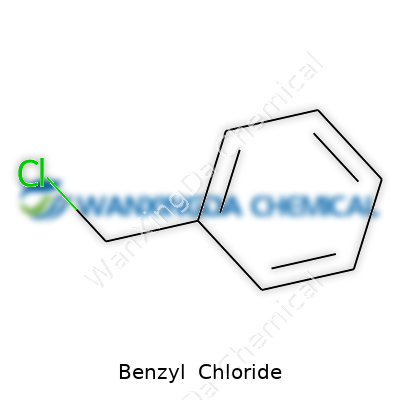
Benzyl chloride sits on the shelf as a colorless to slightly yellow liquid, though its smell—a choking, sharp odor—usually makes you notice it before you see it. This compound shows up most often as a building block. Chemical manufacturers rely on it for creating substances like benzyl alcohol, phenylacetic acid, certain plasticizers, and quaternary ammonium compounds. Picking up a bottle from the lab, its simple structure—a benzene ring with a single carbon bearing a chlorine atom—begs for reaction. What makes it stand out is this active benzylic position, pushing chemists to use benzyl chloride in reactions where you need to tack on a benzyl group. From personal lab work, I’ve found it easy to work with in small-scale reactions, but its fumes make every chemist grateful for a well-ventilated hood.
Physical & Chemical Properties
Benzyl chloride boils at around 179°C and melts at -39°C; so in most climates, it behaves as a liquid. It doesn’t mix with water thanks to its hydrophobic aromatic ring, but dissolves well in organic solvents—ether, chloroform, and alcohols handle it without fuss. The liquid’s density, like many organochlorides, lands above that of water. The real kicker is reactivity. This compound reacts vigorously, especially with nucleophiles—anything from water to amines or thiols can provoke stubborn, sometimes violent, chemical responses. Ask anyone who’s cleaned up a benchtop spill: benzyl chloride reacts with moist air, releasing dangerous hydrochloric acid vapor that lingers in the air or burns skin on contact. Chemists gain a healthy respect for the liquid’s volatility.
Technical Specifications & Labeling
Across chemical supply catalogs, benzyl chloride often shows up labeled with hazard warnings—skin corrosion, respiratory risk, and probable carcinogen status in major chemical registries. The UN has classified it as a hazardous substance, with strict packaging and transport requirements to minimize accidental release. In practice, manufacturers notch purity upward for specialty use (around 99%), since trace water or alcohols can foul reaction yields. From my reading and lab days, most suppliers provide it in amber glass bottles or stainless steel drums: sunlight and heat degrade the product and multiply its risks.
Preparation Method
Manufacturers have settled on the direct chlorination of toluene in the vapor phase to make benzyl chloride. The process runs hot, employing either ultraviolet light or a radical initiator to shove chlorine atoms onto the benzylic carbon. This approach leans on sturdy chemical engineering to minimize side products like benzal chloride or benzotrichloride, which are even trickier to handle. Many early patents tried solutions as simple as bubbling chlorine into toluene under sunlight, but industrial practice soon favored sealed systems, immediately condensing and trapping the product to curb environmental uncontrolled releases. Over the years, improvements have focused on containing emissions and improving selectivity, but the process’s basic chemistry hasn’t budged much in a century.
Chemical Reactions & Modifications
Benzyl chloride marches into many classic organic reactions. Chemists use it to alkylate phenols, amines, or thiols, yielding benzyl ethers, amines, and thioethers—compounds that populate everything from pharmaceuticals to dyes. Benzyl alcohol forms easily upon hydrolysis, while reaction with sodium cyanide delivers benzyl cyanide, an intermediate for other syntheses. This compound also feeds into the production of UV stabilizers for plastics and resins. On a personal note, applying benzyl chloride for benzyl protection of alcohols in carbohydrate chemistry saves headaches in synthesis planning. The reactivity helps, but you can’t ignore its tendency to side react or form byproducts, so reaction monitoring counts for a lot.
Synonyms & Product Names
If you dig into papers, benzyl chloride pops up as alpha-chlorotoluene, chloromethylbenzene, or its CAS number. Common trade names reflect its role as a chlorinated toluene derivative. These alternate names crop up in safety literature and older reports—something I’ve noticed can be a pitfall for young lab workers reading cross-disciplinary material.
Safety & Operational Standards
Working with benzyl chloride presses home the importance of safety culture. The compound’s vapor stings eyes and throats, and can provoke violent coughing and skin burns on contact. Agencies like OSHA and the European Chemicals Agency place it high on their hazard lists, tagging it as “presumed human carcinogen,” drawing scrutiny in every health and safety audit. Practical experience, again and again, reminds chemists to double-check gloves, face shields, and local ventilation—one whiff is enough to convince even the most stubborn researcher. Spill protocols demand speed, since vapor will find skin fast and hydrochloric acid byproducts will eat through surfaces. Industry-wide, the chemical’s handling guidelines focus on full containment, neutralization strategies, and comprehensive first aid training. Accidents and chronic exposure cases show up from time to time, giving the lie to any sense of routine around this liquid.
Application Area
Across industry, benzyl chloride pours into the production of dyes, flavoring agents, plastics, and specialty surfactants. Making benzyl alcohol, a solvent and preservative in its own right, relies heavily on the compound. In pharmaceuticals, the benzyl group often sneaks into drugs as a protecting or activating element. Resin and plastic manufacturers depend on it for curing agents and UV stabilizer ingredients. Downstream, more obscure uses dot the map—pesticide intermediates, photographic chemicals, and even perfumes where trace derivatives carry over. I came across its use in water treatment as a quaternary ammonium compound precursor, underlying a broader story: even small boosts in efficiency for a chemical like this can ripple out into cleaner water or safer drugs for thousands.
Research & Development
For many years, research into benzyl chloride focused on process improvements: boosting efficiency, lowering the environmental footprint, and squeezing out troublesome byproducts. Efforts have tackled catalytic systems to dial in chlorination stepwise, aiming for better selectivity and easier control. More recently, green chemistry approaches attracted researchers who want less hazardous preparation routes and smarter containment of waste. Universities and start-ups push toward continuous process setups and membrane technologies that scrub emissions before they reach the atmosphere. In the process chemistry sphere, benzyl chloride offers a touchstone for how disciplines layer together—materials science, mechanical engineering, safety analytics—all pulled into the conversation. Colleagues tell me that sensor-driven automation and rapid quenching systems hold promise for safer, leaner production lines, but nobody believes the chemical will ever be truly risk-free.
Toxicity Research
The toxicology of benzyl chloride has earned it a red flag across the board. Animal studies trace genetic mutations and increased tumor incidence, while acute exposure in people produces respiratory distress and lasting skin damage. Regulatory reviews from the U.S. EPA and global authorities keep its manufacture and use under constant scrutiny, with updated guidelines for permissible air and water concentrations. Chronic exposure research uncovered neurological impacts and increased cancer risk, shining a hard light on the need for improved occupational exposure limits. Among chemists and chemical engineers, stories circulate of mishaps that led to long medical leaves, cementing the idea that technical skill without respect for toxicity ends in harm. Safety data keep evolving, but the lesson remains: every bench worker and plant technician must treat the liquid with healthy suspicion—no amount of PPE or automation ever replaces a mindset focused on risk reduction.
Future Prospects
The future for benzyl chloride seems pulled in two directions. On one path, the need for advanced materials, specialty pharmaceuticals, and high-performance plastics keeps demand steady; engineers and chemists still find new tricks for using the compound’s reactivity to their advantage. On the other, environmental and health pressures continue to push for lower emissions, better worker protections, and even process alternatives that might bypass benzyl chloride entirely. Synthetic biology and biocatalysis edge toward functional group transformations that use milder conditions, stirred by the hope that a day will come when toxic gases and liquid spills belong in the past. Yet anybody who’s seen the real-world complexity of replacing practices built on a solid century of chemistry knows that transitions rarely move fast. The race continues—to make chemistry safer, to wring out every bit of environmental waste, and to keep sight of the lessons history hands down each time society handles “useful but dangerous” compounds like this one. There’s room for optimism, but it has to run hand in hand with vigilance, careful investment, and a culture that never lets convenience trump safety or health.
A Closer Look at an Unfamiliar Name
Walk through a hardware store or step into a chemistry lab—odds are, most folks never hear about benzyl chloride. It’s not splashed across newspaper headlines or trending on social media. Yet, this chemical sits behind the scenes, shaping a lot more than people might guess. Factory floors, laboratories, and even courtrooms have stories that share a common thread leading back to it.
Where Is It Used?
Benzyl chloride plays a starring role in making dyes, paints, and certain plastics. The perfume industry leans on it, too. Once the raw benzyl chloride arrives at a plant, it allows chemists to build flavors and scents that end up on grocery shelves, bathroom counters, and in snack foods. It is used to manufacture benzyl alcohol and benzyl benzoate, both widely used in personal care and household cleaning products. Paints often carry a touch of it, having passed through their own blend of industrial mixing.
Pharmaceuticals owe some of their final forms to benzyl chloride-based chemistry. Many antihistamines, for example, draw from that same source. It pops up in some agrochemicals as well, giving rise to certain herbicides and pesticides. It is not something shoppers see on a product label, but trace the supply chain and its fingerprints are everywhere. The cycle feeds back into daily routines: the color of your favorite shirt, the polish on your desk, the pill you take for a headache.
Health and Safety: A Difficult Balance
Having spent time handling chemicals as an undergraduate, I learned early the strict discipline that comes with working around compounds like benzyl chloride. One unscrewed cap or careless splash can unleash fumes with a sting that sticks in your throat and burns the skin. Workers need top-notch gloves and tight procedures just to stay safe. Long-term exposure carries real risks—including cancer. The US Environmental Protection Agency has formally listed it as a hazardous substance, and the European Union tightly regulates every shipment. For families whose homes stand near chemical plants, the conversation around safety and disclosure never fades into the background.
Why Should it Matter to the Public?
The reach of this chemical means ordinary people ought to keep at least an ear to the ground. Contamination cases spark lawsuits and health scares in communities worldwide. Awareness often trails behind, and by the time someone looks into the cause of mysterious rashes or smells in the air, the damage can linger. Even if households never see a bottle labeled “benzyl chloride,” the responsibility falls on manufacturers, regulators, and consumers to push for transparency.
Paths Forward
Technology offers a way out—as more companies switch to greener alternatives, benzyl chloride’s share in everyday goods may shrink. Some researchers are already testing bio-based chemicals that leave fewer environmental footprints. Stronger reporting incentives would help too, making it easier for neighbors, advocacy groups, and local governments to spot small leaks before they become big problems. In my experience talking with safety managers, real progress comes when people at every level—from plant workers to product designers—understand both the promise and danger of these hidden workhorses.
Ignoring the Threat Doesn't Make It Disappear
Most people will never come face-to-face with a drum of benzyl chloride. Yet, this chemical turns up in more places than most of us would guess—from making dyes and plastics to the adhesives that keep modern products together. Decades ago, I walked through chemical warehouses watching workers haul clear glass bottles, the acrid scent barely contained by industrial ventilation. That smell, piercing and out of place, came from benzyl chloride. No mistaking it: this stuff meant business.
Direct Exposure Means Real Harm
Benzyl chloride’s hazards aren’t just theoretical. People told me about painful blisters after accidental skin splashes. The chemical burns, itches, and causes lasting damage if not removed quickly. Eyes have no defense—splashes can mean permanent harm. There’s no pretending this chemical is mild.
Breathing its vapors is often worse. Shortness of breath, coughing, and sore throats follow just a few moments’ exposure. Folks on factory floors learn fast: proper masks and goggles make the difference between finishing a shift healthy or heading to urgent care.
The Bigger Health Picture: Cancer Isn’t an Abstract Threat
Information from top scientific groups, including the International Agency for Research on Cancer, lists benzyl chloride as a possible cancer-causing agent. Workers in chemical plants face higher risk for lung and throat cancers compared to the general population. When news stories cover hazardous chemicals, the word “carcinogen” sometimes gets thrown around too easily. Here, the link has been tested—and the risk is real.
A study from the National Toxicology Program found higher rates of tumors in animals when exposed to benzyl chloride. These reports led to more regulations in production plants, but enforcement can lag. Short-term exposure triggers burning sensations and respiratory trouble; long-term exposure raises health stakes far higher.
Regulation: Gaps Still Exist
Regulators like OSHA and the EPA set exposure limits for benzyl chloride based on available research. But oversight varies across countries and even from plant to plant. Small manufacturers—where chemical safety budgets run thin—sometimes cut corners, putting people at greater risk. I’ve spoken to workers on job sites who lacked protective equipment and clear training. One told me he learned more from coworkers than formal safety briefings. That shouldn’t be the norm.
Caring About Solutions: Basic Safety Doesn’t Go Out of Date
Better safety gear helps but doesn’t solve the bigger issue of sloppy training or missing oversight. Simple steps like regular air monitoring, real evacuation drills, and strict labeling do more to prevent harm than any fancy technology. Regular health checkups for workers catch problems early, though many companies ignore this until rules force their hand.
Safer alternatives for some applications do exist, but many manufacturers drag their feet due to cost or convenience. Governments and industry leaders should reward companies willing to put safety over short-term savings. Society pays the cost of illness in ways balance sheets skip over.
Benzyl chloride brings modern convenience, but its dangers demand daily respect. Workers’ health shouldn’t be up for debate. Safety measures that protect against its harms aren’t negotiable extras—they’re the baseline that every workplace should provide.
Understanding the Real Risks
Anyone who spends time in a busy lab or on a chemical plant floor knows, some substances demand extra respect. Benzyl chloride sits near the top of that list. I remember my first assignment involving this chemical. The sharp, biting smell cut through the air—even outside the hood—immediately signaling, “don’t take shortcuts.” Shortcuts with benzyl chloride can cost more than a ruined batch; people’s health is in play here.
Why Storage Standards Matter
Benzyl chloride isn't just another bottle to toss on a shelf. Its fumes can burn the lungs and eyes, and overexposure can leave you with lasting problems. I once saw what happens when someone thought a loose cap was “good enough”—the whole room stank for days, and several workers wound up at the nurse’s office. That sticks with you.
To keep that from repeating, store benzyl chloride in tightly sealed glass or compatible plastic containers. Metal containers can spark corrosion when this chemical’s in the mix. If you want to play it safe, use amber glass bottles; they block light and slow down any breakdown of the material inside. Secure lids stop fumes from escaping, and that keeps the air—along with your colleagues—safer.
Temperature Isn’t Just a Footnote
I’ve seen accidents when people ignore temperature guidelines. At room temperature, benzyl chloride stays a liquid, but heat can ramp up vapors and make leaks or reactions worse. Somewhere cool, dry, and well-ventilated beats a crowded, stuffy cabinet every time. Never keep this chemical near sources of heat or direct sunlight, not even for a couple of hours. It surprises many that even everyday light can trigger slow changes in the compound, which means your storage location matters—even if the bottle looks fine on the outside.
Keep It Segregated for Safety’s Sake
Some folks keep all the “dangerous” bottles together for simplicity, but that can spell trouble. Benzyl chloride reacts with water, alcohols, or strong bases, which means a single leaky container nearby can kick off a serious reaction. If you have flammable, reactive, or caustic materials in the same cabinet, move them. It doesn’t take much for an unexpected drip, spill, or vapor leak to make things go sideways fast.
Labeling Matters More Than Most Think
Clear, indelible labels help a lot. In one place I worked, an intern nearly poured benzyl chloride into a completely wrong process—some faded sticker almost cost everyone a very rough day. Bright, specific labeling shouldn’t just be for the chemical name. Add hazard warnings, reactivity notes, and the latest safety date inspection. No one should ever rely on memory here.
Common Sense Wins
No checklist covers every situation, but a culture of caution does wonders. I’ve watched experienced teams treat even tiny vials of benzyl chloride like high explosives, and that’s no exaggeration. Investing in good storage containers, respecting separation rules, and keeping the area cool and well-ventilated has saved headaches—and worse—for decades. Extra time and expense up front always beat dealing with injuries and cleanups later.
Safety here relies on experience and respect. Every time you unscrew a cap or check a bottle, you’re protecting more than just yourself. Small steps stack up into real protection, day in and day out. That’s the kind of routine this chemical deserves.
Getting Acquainted with Benzyl Chloride
Benzyl chloride drifts into attention for all the wrong reasons—sharp, suffocating smell, a tendency to sting your skin, and a place in the chemistry lab that always seems to come with gloves and a warning. This colorless liquid is nothing like that friendly bottle of rubbing alcohol under the sink. It packs volatility into every drop, and you know exactly where it landed if you ever got close without protection.
The liquid comes with a boiling point that sits just under the temperature of a pot of simmering water. It oozes out its signature, biting odor at room temperature. If you’ve ever sniffed at a fresh-painted wall and winced, imagine that sensation dialed a few notches higher. Plenty of chemists mark their initiation by the unforgettable whiff that comes from cracking open a bottle of benzyl chloride.
The Reactive Side of Benzyl Chloride
Chlorine atoms give this compound its edge. That means it won’t stay quiet in the presence of strong bases or water for long. Toss a drop in water and soon it’ll start reacting, giving off hydrochloric acid fumes. It doesn’t take much — open the cap, and humidity in the air can already get the process started. My own time in the lab taught me to respect even the smallest splash. Years later, I still remember the slightly rough feeling on my palm after a rushed cleanup. No permanent harm, but plenty of respect.
Chemically, benzyl chloride wants to hand off that chlorine atom. Drop it into a mixture with an alcohol or amine, and you dig up benzyl ethers or amines pretty fast. That ease of reaction means it doesn’t stick around for long once mixed with any active partners. Chemists prize it because of this, but for anyone outside the lab, it’s just more reason to be careful. People in manufacturing circles keep a close eye on it because it doesn’t take much exposure to cause symptoms—sore throat, burning eyes, even breathing problems. I always pulled the fume hood down tight, double-checked my gloves, and never turned my back while pouring.
Real-World Impact: Handling and Solutions
Factories working with benzyl chloride face a tough balancing act. It’s a go-to for making dyes, certain medications, and resins, which means both volume and vigilance matter. Spills in the field get handled quickly, with folks reaching for neutralizers like sodium bicarbonate. Ventilation matters just as much. Plenty of stories float through the professional grapevine about old warehouses that needed serious upgrades just to keep people safe from dangerous fumes.
Benzyl chloride also lands on regulatory watchlists for a reason. It’s flagged for its potential as a carcinogen. So despite its usefulness, routine checks and smarter containment systems have become the norm. I think back to the shift in our own university lab—after the news broke about new exposure limits, they replaced half the glassware and overhauled storage lockers overnight.
Learning From Experience
Working with benzyl chloride taught me why even small, everyday exposures matter. Accidents and shortcuts add up faster than folks expect. It’s tempting to treat these clear liquids as just another bottle on the shelf, but that’s exactly where trouble begins. Safer alternatives get plenty of research dollars now, and for good reason—safer, slower-reacting chemicals are always welcome in crowded labs and factories.
Every chemical tells a story about responsibility. Benzyl chloride just shouts its warnings a little louder—and experience proves it pays to listen.
Getting Serious About a Strong Chemical
Benzyl chloride doesn’t get the same headlines as other industrial chemicals, but the dangers are real and direct. I’ve seen what happens when folks take shortcuts with this stuff: one slip, and you go from an ordinary workday to a chemical burn in minutes. The sharp, penetrating smell should be warning enough, yet new workers sometimes shrug it off. That cavalier attitude has landed more than a few people in the emergency room.
Understanding Real Health Risks
The toxic hit of benzyl chloride comes quick. It irritates the lungs, eyes, and skin; long-term exposure links up with cancer risk. That’s not some vague legal caveat, either. The International Agency for Research on Cancer calls it out specifically. Folks who have spent time in chemical processing can tell you about the headaches, coughing fits, or rashes after not taking handling seriously. Masks and gloves aren’t for show. They’re as important as the tool in your hand.
The Role of Good Ventilation
Chemical workspaces sometimes feel over-engineered, air pulled through giant hoods, alarms blipping if something leaks. That isn’t overkill—we’ve learned from the mistakes of the past. I recall an old plant outside town with windows to air out fumes. The new place runs an exhaust system that pulls the air out before anyone has to sniff around for leaks. This kind of setup means fewer workplace trips to the nurse, better long-term health, and less lost time. OSHA points out time and again how essential proper ventilation is for benzyl chloride. I trust their word after watching the difference between old and new facilities.
Personal Protection Isn’t Optional
I hear grumbling about goggles and long sleeves—especially in the summer. But benzyl chloride eats through skin and eyes fast, no matter the season. One colleague left gloves off “just this once” and spent six weeks out of work. Everyone remembers seeing the red blotches and hearing how bad it itched. Splash-resistant goggles, nitrile gloves, and lab coats build a barrier between you and misery. If you wear contacts, swap them out for glasses. Don’t trust plastic to defend your eyes here.
Building a Culture of Respect—Not Fear
The problem isn’t always lack of equipment. Sometimes it takes a close call for a team to take protocol to heart. Safety briefings can drift into background noise, but real respect for chemicals comes from hearing stories and seeing scars. New hires who work alongside veterans pick up the routines fast. The message rings clear: shortcuts cost you more than a few minutes.
Emergency Readiness Matters
Even with the best preparation, accidents still occur. Immediate access to eye washes and safety showers makes all the difference. I once watched a supervisor dash to a rinse station—he’d caught a splash that would have burned if he’d paused even a minute. Practice drills may feel dull, but that reflex saves skin, eyes, and sometimes lives. Keeping first aid supplies stocked and visible isn’t up for debate.
Room for Improvement
There’s always a temptation to save money or rush through training, but it backfires in the long run. Companies that invest in training and maintain equipment see fewer injuries and avoid the headaches of regulatory fines and lawsuits. Workers who speak up about broken gear or missing gloves do everyone a favor, even if they ruffle feathers.
Handling benzyl chloride safely demands respect, good habits, and real investment in people and tools. Deadlines shouldn’t outpace safety. The best crews keep each other honest and walk out the door healthy each night—and that’s worth far more than any shortcut.