Understanding Biotin: More Than a Trendy Supplement
Tracing Biotin’s Story Through History
Biotin, sometimes better known in kitchens and classrooms as vitamin B7 or vitamin H, didn’t get the spotlight until relatively late in the vitamin era. Long before chemists isolated and named it in the early twentieth century, humans unknowingly relied on its power for health. The journey began as scientists puzzled over mysterious illnesses that disappeared when certain foods landed back in a diet. By the 1930s, German researchers took a closer look at egg whites, which contain avidin, a protein that binds biotin—prompting deficiencies in animals used for experiments. Dismantling egg-white injury in rats and connecting it back to a missing “coenzyme” led to the birth of biotin’s story. You can almost picture scientists growing concerned over patchy fur in their lab rats, only to realize these simple creatures were showing how critical this then-unknown vitamin really was. Since then, biotin settled in as part of the B-vitamin family, linked to metabolic processes that drive life itself.
Getting Hands-On with Biotin’s Physical and Chemical Style
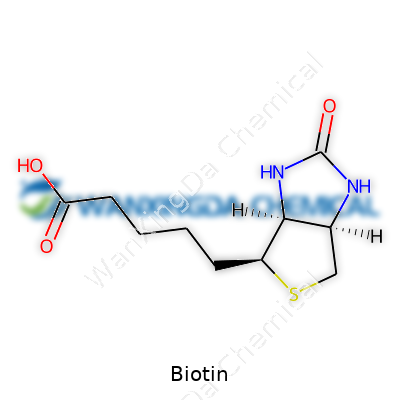
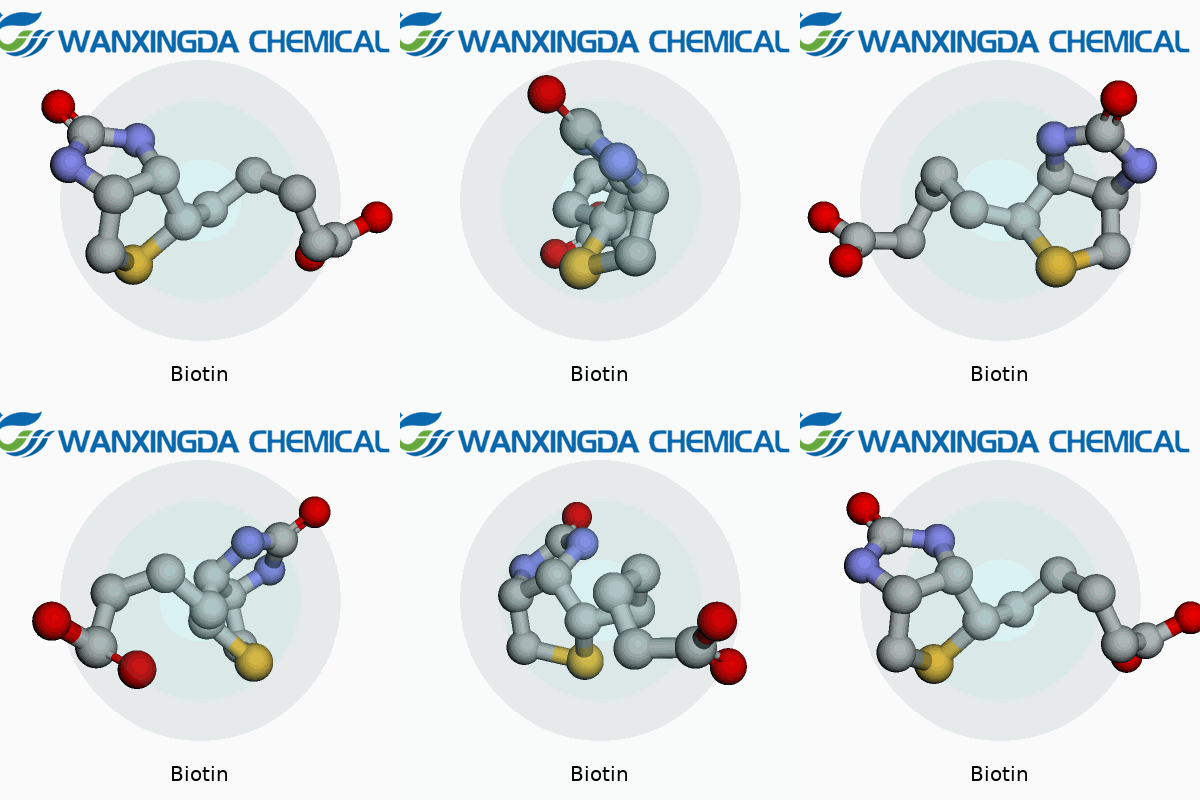
One thing stands out about this vitamin: you’re not dealing with a powder that explodes under sunlight or a sticky substance best handled with rubber gloves. Biotin appears as a white, crystalline powder—harmless to the eye and calm in your palm. Run tests and you’ll find it doesn’t dissolve in water the way sugar does, but it’ll blend into hot solutions better than into cold. Its melting point hovers above 230°C, and it doesn’t give up its integrity unless you push it there. From a chemical perspective, biotin packs a fused ring system with sulfur and ureido elements. It’s not fragile, but it doesn’t stand up to strong acid or base for long. Despite its complexity, biotin can take on modifications, suiting technical needs in research or manufacturing. Manufacturers work with it in purities that usually exceed 98 percent, and consumers expect pill bottles labeled with clear, honest microgram counts for each dose.
Tackling Biotin Manufacturing and Chemical Work
Pulling biotin out of natural sources on an industrial scale just doesn’t make business sense, so most biotin comes from biotechnological or chemical synthesis. Relying on bacterial fermentation or multi-step organic synthesis keeps prices down and purity up. Syntheses often begin with simple hydrocarbons, running them through several steps to build out biotin’s ring system and then closing the cycle to form the complete vitamin. Labs get creative, sometimes tweaking the molecules here or there to fit research needs, but for supplements, purity and bioavailability rank highest. Plenty of companies work to perfect these methods, shaving time and cost while keeping waste to a minimum. There’s nothing flashy about the process—just a steady, disciplined march toward a fine, white powder destined for tablets, capsules, or food fortification lines worldwide.
Known By Many Names, Known For One Job
Science has always loved synonyms. In research papers and on supplement bottles, biotin appears under names like vitamin H, vitamin B7, and coenzyme R. These labels reflect the vitamin’s function across contexts—metabolizing fats and carbohydrates, supporting the conversion of food into energy, or simply helping enzymes do their job. Whether the bottle says “biotin” or another name, the body takes it in and puts it straight to work. Most serious suppliers stick to “biotin” on shelf labels, making it easier for consumers to find what they want.
Taking Care with Safety and Handling
People deal with biotin daily through diet and supplements, and its safety record holds up. Biotin toxicity doesn’t prompt much concern among toxicologists. Even very high doses used over long stretches haven’t led to damage in healthy adults, which likely explains its popularity as an over-the-counter supplement. Still, there are technical standards and operational guidelines for storage, handling, and labeling in manufacturing settings. No one dumps any chemical out of a bag without a plan—not if they know what’s good for them. Storage in cool, dry places, good ventilation, dust protection, and clear labeling keep product and worker safety up to par. Some labs watch cross-contamination and monitor for allergens, especially when blending with other vitamins or ingredients. FDA and EFSA guidelines serve as a backbone for manufacturers who want to market supplements or enriched foods safely.
Everyday and Advanced Uses in Science and Health
Daily living brings biotin to the table without people even noticing. Found in eggs, nuts, seeds, liver, and some vegetables, biotin makes a quiet contribution to steady energy levels and healthy skin, hair, and nails. Doctors rarely see outright deficiencies outside conditions like biotinidase deficiency or due to restrictive diets. Yet, the rise of beauty-focused nutraceuticals made biotin supplements a household term, even when most folks already get enough from their meal plans. In labs, biotin’s unique chemistry gets used far beyond nutrition. Scientists attach biotin to antibodies, enzymes, or DNA to track or bind molecules—biotin-streptavidin is a gold standard for signal amplification in diagnostics and molecular biology. Technical and research waves of biotin applications roll on, shaping everything from simpler pregnancy test strips to complex genome analysis.
Following the Evidence: Toxicity and Health Impacts
If you read enough studies, you notice a pattern—biotin just doesn’t act up. It has low acute and chronic toxicity according to the World Health Organization. Volunteers taking thousands of times the recommended intake didn’t see major side effects, though a handful of specialty tests, such as some thyroid hormone or cardiac enzyme assays, can get disrupted by massive supplement use. This matters because a patient popping high-dose biotin for hair growth might show alarmingly abnormal test results for serious diseases, sending both doctor and patient off on a wild chase until someone clues in about the supplements. For pregnant women and children, recommendations err on the side of caution, but the safety cushion looks strong. Efforts continue to verify mechanisms, interaction with drugs, and impacts on rare hereditary disorders—after all, new data sometimes rewrite the rules.
Building Toward the Future: What’s Next for Biotin?
Research and development teams haven’t run out of ideas with biotin. Biomedical engineers push for new ways to harness biotin’s binding powers for diagnostics, drug delivery, and advanced imaging. Food scientists look for broader uses in pet food, animal nutrition, and even sustainable agriculture. Brands still chase claims about beauty and metabolism, driving demand and creating competition to produce ever purer, more stable forms. Regulatory agencies keep watch, sifting new evidence and shaping updated guidelines for labeling, safety, and recommended intakes. Tomorrow’s advances may come not from higher doses for hair, but from tailor-made applications in medicine or environmental monitoring. Honest, transparent science, open communication about risks and benefits, and stubborn curiosity guarantee biotin keeps finding new ground—long after trend cycles shift yet again.
What's Driving the Craze?
Walk through any pharmacy or supermarket. You'll see shelves loaded with biotin supplements, each one promising stronger nails, thicker hair, and glowing skin. Instagram influencers and glossy magazines push the message harder, but most folks don’t know how biotin, also called vitamin B7, actually works in the body. Made naturally in our food, you find it in eggs, seeds, nuts, and leafy veggies. So, why all the excitement about getting more of it?
Biotin’s Real Role
Your body needs biotin every day, but not in huge doses. Biotin helps transform what you eat—carbs, fats, and proteins—into fuel. Without it, energy drops, skin gets patchy or red, and hair sometimes thins. People who skip out on balanced meals, especially those with certain health conditions or those taking some medications, can end up running low. In rare cases, deficiencies crop up because of genetics. For most healthy people, though, regular food does the trick.
Promises vs. Real Benefits
The biggest draw? The idea that biotin acts like a miracle worker for hair and nails. Some evidence links biotin deficiency with brittle nails and thinning hair. In a handful of studies, folks with weak nails saw some improvement after taking supplements. But these folks often started with lower biotin levels to begin with. For people who eat a balanced diet, studies just don’t show bigger, thicker hair or faster nail growth beyond normal.
Doctors have spotted dramatic results when someone truly lacks biotin—skin clears up, hair grows back, and nails stop chipping. But for everyone else, the jump from normal to “super” beauty with a daily pill hasn’t shown up in research. In fact, the National Institutes of Health notes that there isn't enough evidence to recommend extra biotin for most people.
Health Hype and Common Sense
Supplement companies often tout higher doses—sometimes thousands of times what you’d eat in a day. Trouble is, piling on more doesn't always mean better. Extra biotin passes out of the body through urine. Even so, mega doses sometimes trigger lab test headaches. People have landed in the emergency room after test results disguised heart attacks or thyroid problems, all because biotin inflated or suppressed blood test numbers. The FDA now warns doctors and labs to ask patients about supplements before running blood work.
Better Solutions
If hair keeps coming out in clumps, or nails break no matter what, it pays to look beyond biotin. Doctors recommend starting with a basic blood test to rule out iron, vitamin D, or thyroid problems. Cleaning up eating habits often works better. Simple, daily choices—scrambled eggs, a handful of almonds, a spinach salad—help supply steady biotin and other nutrients without the risk of overdose.
For most people, popping biotin isn’t a magic bullet. Instead of chasing shortcuts, focus on food first and chat with a doctor about what makes sense. Supplements can't outshine a solid meal or safe medical advice, no matter how bold the headlines get.
What Draws People to Biotin
Biotin, often called vitamin B7, gets advertised everywhere as the solution for thinning hair, breaking nails, and tired skin. Walk into any pharmacy or scroll through wellness influencers' feeds, and biotin pops up frequently. I remember seeing people in my own circle rush to buy it during a phase when everyone wanted instantly healthier hair. There is a steady belief that popping a pill is safer and quicker than waiting months for natural growth, and so the shelves keep emptying.
What Science Really Shows
Doctors will agree that true biotin deficiency is rare. Most people get enough vitamin B7 through food—think eggs, nuts, seeds, and leafy greens. Hair loss or brittle nails sometimes link to other underlying conditions, not necessarily a lack of this specific nutrient. Health authorities, including the National Institutes of Health, explain that biotin supplement benefits in people with normal levels remain unproven. Some small studies hint at benefits in those with a shortage, but most folks hardly fall into that category.
Knowing the Risks
It’s easy to think that since biotin is “just a vitamin,” nothing can go wrong. The truth turns out more complicated. According to the Food and Drug Administration, excess biotin in the system can mess with blood test results for thyroid, heart conditions, or even pregnancy. I have spoken with individuals who misread serious lab results for months, only to learn that biotin was the hidden cause. This isn’t some abstract risk; a report in the New England Journal of Medicine described a case where a heart attack almost went unnoticed because test results got skewed by high-dose biotin.
Minor side effects come up too. Some users report digestive upset. I’ve heard complaints about skin rashes and mild acne appearing after starting the supplement. Not everybody notices side effects, but the stories pile up enough that careful use makes sense.
How Much Is Too Much?
Supplements do not face as much regulation as prescription drugs. Many bottles on store shelves contain thousands of micrograms per pill, which can be dozens of times above daily recommendations. Product labels often highlight “extra strength” rather than daily need. That can nudge people toward mega-doses for everyday issues even when they eat a balanced diet.
Smarter Ways to Approach Hair and Nail Woes
It’s worth considering simpler tactics. Focusing on a broadly healthy diet and talking honestly with a doctor before starting anything extra always serves better than following a trend blindly. When a hair or nail problem does not sort itself out, it often signals hormone shifts, medication reactions, or other nutrient gaps. Doctors see a lot more benefit running tests to rule out iron deficiency, thyroid changes, or skin diseases than simply jumping on a supplement bandwagon.
Pharmacists remind me: more isn’t always better with vitamins. A frank talk with a healthcare provider, bringing up any supplements in use, keeps things safer. If a pill promises miracles, it pays to dig a little deeper and think about why the quick fix sounds so appealing in the first place.
Improving Awareness and Decision-Making
The wellness industry could step up by giving clearer warnings on supplement packaging about possible lab result interference and the risks of unnecessary high doses. Health professionals can help by asking more questions about over-the-counter product use. In my experience, most people never even think to mention a hair or nail vitamin when listing their medicines, but they should. Honest conversation and real food often go much further than any capsule.
Sizing Up the Buzz Around Biotin
Biotin catches a lot of attention, especially from people looking to boost hair or nail strength. Drugstore shelves stack products with “high potency” labels, social media influencers show off supplements as beauty hacks, and plenty of folks credit their thick hair to these little pills. More often, people want to know how much biotin actually supports their health—whether a deficiency happens often, or if high doses really help.
Biotin in Real Diets
I remember growing up with the standard call to drink milk for calcium, and eat leafy greens for iron. Biotin didn't make the list in my family’s nutrition talks. Turns out, this B vitamin lives in everyday foods like eggs, nuts, seeds, and some veggies. Researchers agree your daily requirement stays pretty modest. For most adults, health authorities like the National Institutes of Health set the adequate intake at about 30 micrograms a day. Kids and teens need slightly less, pregnant and lactating people a bit more.
In practical terms, a balanced plate gives most people what they need. Scrambled eggs for breakfast, peanuts as a snack, and a serving of spinach probably already cover your daily quota. It rarely becomes a concern unless someone follows a severely restricted diet or has a health problem that interferes with absorption.
Pushing Past What's Needed
Supplement companies promote big numbers. Capsules routinely offer 1,000 micrograms or even 5,000—well over what anyone gets from food. The assumption sits on shaky ground. Plenty of studies looked for benefits like faster hair growth or better skin. Scientists rarely see dramatic results unless someone was deficient in the first place.
I learned the hard way that more isn’t always better. I tried a high-dose biotin supplement after a winter of brittle nails and excessive shedding. After three months, I didn't notice much difference in my hair but did get some strange lab results at the doctor. Turns out, excess biotin can mess with certain blood tests like thyroid labs or troponin, skewing results and potentially causing a misdiagnosis. The U.S. Food and Drug Administration has issued warnings about this problem.
Deficiency: Rare, but Real
Biotin deficiency barely registers as a common problem, but it does happen in rare cases. People with certain genetic conditions, chronic alcoholism, or those who eat large amounts of raw egg whites could end up short on this nutrient. Most people will never face that issue. If your doctor suspects a problem, they can easily check for deficiency—no reason to self-prescribe megadoses just because you saw a viral video.
Standing By the Science
Most people who eat a varied diet already get enough biotin. Chasing high doses remains unnecessary for the vast majority. Companies selling supplements rarely back up their claims with strong scientific evidence. Alternatives exist for many hair or skin problems, like treating underlying conditions or improving overall nutrition. For anyone considering a supplement, talking with a healthcare professional makes sense. Some groups—such as pregnant people or those with certain health conditions—may need more guidance.
Biotin deserves a spot in discussions around nutrition, especially as marketing promises continue to run wild. Rather than focusing on pill counts, paying attention to what shows up on your plate each day does a better job of keeping health on track.
Real Hopes or Clever Hype?
Walk through any supplement aisle and it’s hard to miss rows of biotin bottles, each dressed up with shiny promises: longer hair, stronger nails, maybe even a cure for tired split ends. A lot of friends and family give it a try, and after years of conversations, I’ve seen two camps—believers and skeptics. The believers swear their nails stopped snapping and their hairbrush looks less frightening. The skeptics say the difference isn’t worth the money.
The Science Behind Biotin
Biotin, also called vitamin B7, takes care of turning carbohydrates, fats, and proteins into energy your cells can use. If you don’t have enough, the impacts show up in brittle nails, thinning hair, and sometimes a red, scaly rash. There’s solid evidence that biotin can reverse these symptoms for people with a real deficiency—so real, you can only spot them in rare cases or certain medical conditions.
Most people with a varied diet already get what they need from foods like eggs, nuts, seeds, and even vegetables like spinach. Nutrition surveys show biotin deficiency rarely pops up for healthy adults. So, for folks who eat a decent mix of things, extra doses in pill form don’t bring the magic. Double-blind, well-controlled studies tell the same story: no consistent proof shows a boost in hair or nail growth for average, healthy people taking more than the daily recommendation.
Why These Supplements Sell Anyway
Marketing can be persuasive. Seeing smooth-haired models and glowing reviews sparks hope—especially if you’ve ever wrestled with thinning, breakage, or stubbornly slow-growing nails. It’s not surprising people want a fix, even if the evidence stays slim. I’ve bought my own share of “miracle” products in rough patches, and the pull of a potential quick fix pulls hard. But the best data still leans on the side of “it depends.”
The Real Problems at the Root
Sometimes hair trouble reveals a deeper issue. Sudden hair loss, for instance, can signal underlying thyroid issues, iron deficiency, or heavy stress. Nails that crack and break may reflect dehydration, frequent exposure to chemicals, or even skin conditions. Tossing in biotin may not tackle these root causes and could even delay a real diagnosis.
Doctors sometimes see another surprise: high doses of biotin can mess with some blood test results, giving false readings for thyroid conditions or heart attacks. People taking large doses should always tell their healthcare provider. The FDA flagged this risk, and it calls for a careful look at your supplement habits before routine medical testing.
Better Paths to Healthy Hair and Nails
Real improvements usually start with small, steady changes. Eating a balanced diet rich in vitamins, staying hydrated, limiting harsh chemical treatments, and not skipping regular trims have always made the biggest difference in my own experience. If you suspect a vitamin shortage or have stubborn symptoms, checking in with a doctor or dietitian gets to the bottom of the issue faster than any over-the-counter bottle.
Supplements like biotin don’t solve everything, but they can help in select cases. Trying them isn’t dangerous in moderate amounts, yet managing expectations and keeping an eye on the bigger health picture makes more sense than emptying your wallet for glossy promises.
Looking at Biotin in a Real-World Context
Over the years, biotin supplements have shown up in my conversations with friends, family, and patients, often framed as the answer to thinning hair and brittle nails. Biotin, or vitamin B7, draws folks in with big promises, leading lots of people to add it to their daily routines. Once pregnancy or breastfeeding enters the picture, the urge to keep up with vitamins and supplements gets even stronger. Every parent wants to support their health and their baby’s wellbeing. It’s easy to get lost in a sea of bottles at the pharmacy and wonder what really makes sense.
Biotin: Necessary or Overhyped?
Biotin counts as one of the eight B-vitamins. Most people know it for its link to hair, skin, and nails, but biotin pulls more weight behind the scenes. It helps turn the food we eat into energy, keeps nerves working, and supports several enzyme functions our bodies depend on every day. True biotin deficiency is rare. Eating a varied diet—think eggs, nuts, spinach—usually keeps levels plenty high.
The catch is that pregnant and breastfeeding women end up with shifting vitamin needs. Hormonal changes, the baby’s development, and milk production all place extra demands on the body. A handful of studies suggest biotin levels sometimes dip during pregnancy, but major deficiencies remain uncommon. Research from the National Institutes of Health still points toward typical daily needs being less than 35 micrograms for adults, including breastfeeding moms. Most prenatal vitamins cover this, without delivering hefty extra doses.
Concerns About Supplement Safety
Many supplements, including biotin, don’t have the same oversight as prescription medications. Regulators check for basic safety, but inconsistencies show up across brands and batches. Doses on the bottle often skyrocket past actual needs. Some “hair, skin, and nail” products load in thousands of micrograms per capsule, making doses far higher than the body requires. High-dose biotin can’t guarantee thicker hair or stronger nails, and it introduces risks in medical testing. Biotin interferes with common blood tests, especially those that check thyroid and heart function. There have been cases where high supplementation masked heart attack warning signs, which led to missed or delayed treatment.
What to Consider Before Reaching for Extra Biotin
Anecdotally, I’ve met plenty of mothers eager to do everything right during pregnancy or while nursing. The instinct to add more biotin comes from good intentions. The facts don’t support loading up on extra biotin unless a real deficiency exists. Health organizations, including the American College of Obstetricians and Gynecologists, recommend standard prenatal vitamins as the foundation. Your prenatal likely already includes enough biotin to support you and your baby.
If a doctor suspects biotin deficiency—perhaps due to specific symptoms—simple blood work can check actual levels. Any unexplained rashes or neurological symptoms should trigger a medical consult, not a quick trip to the supplement aisle. Communicating with your healthcare team ensures you won’t take more than you need or risk affecting important lab tests used during pregnancy and postpartum care.
Safe Steps for Healthy Moms and Babies
Pay attention to what goes into your body, and prioritize balanced meals over extra pills. The allure of quick fixes gets especially strong during pregnancy and breastfeeding, but most women do best sticking with recommended prenatal vitamins and eating well. If hair thickness or nail health feels like a concern, talking it over with a healthcare provider outweighs self-prescribing. Science reminds us that more doesn’t always mean better, especially where supplements are concerned.