The Role and Future of D-Panthenol: More Than Just a Moisturizer
Tracing the Path: How D-Panthenol Rose to Prominence
D-Panthenol has a story that runs back to the push for better wound healing and skin care back in the mid-20th century. As pharmaceutical companies sought new ways to ease irritation and encourage cell regeneration, scientists turned to compounds found in nature. Panthenol, the alcohol analog of pantothenic acid (vitamin B5), caught their attention with its strong connection to skin repair and natural hydration. Historically, developments in fermentation and organic synthesis opened the door to producing D-Panthenol in larger quantities, making it available not only for medical use but for cosmetics, pharmaceuticals, and the food industry. Watching its spread from small laboratory batches to multi-ton production over the years, it’s easy to see how demand for products that actually work pushed manufacturers to refine techniques, lower impurities, and consistently deliver on what labels promise.
What D-Panthenol Really Offers
D-Panthenol looks like a clear, viscous liquid or sometimes a white crystalline powder, depending on how it’s prepared. It dissolves well in water and has a mild, barely noticeable scent—something formulators appreciate when making products with subtle fragrance expectations. D-Panthenol doesn’t just hydrate skin by laying on top, it penetrates into the outer layers, attracting water and helping skin and hair hold onto moisture longer. Unlike fancier molecules whose benefits seem more theoretical than real, plenty of everyday products put D-Panthenol front and center—lotions, shampoos, even over-the-counter ointments. It smooths rough patches, eases itch, and gives creams a silky texture. For processing, it handles a wide range of temperatures and pH, letting manufacturers add it during various stages of production without fear of it degrading quickly.
Why It’s More Than Just Chemistry
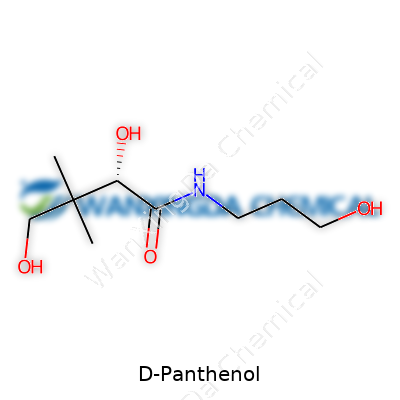
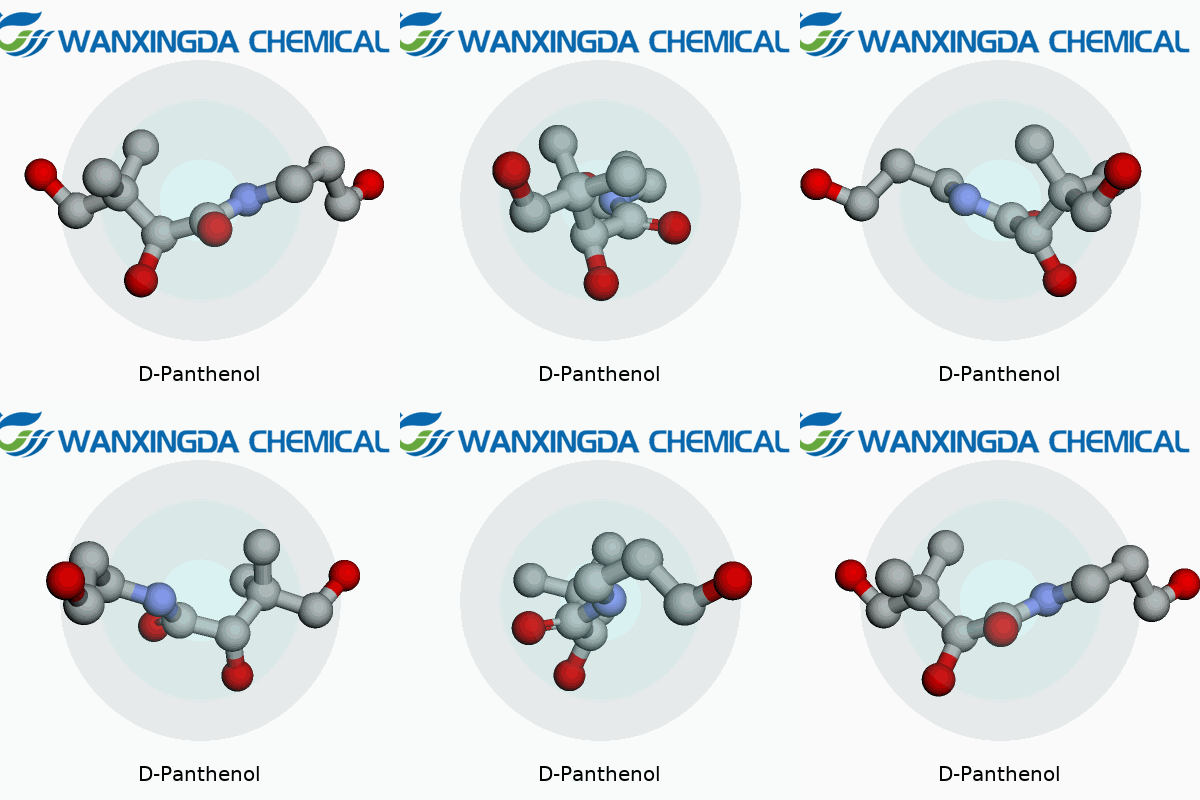
On the molecular side, D-Panthenol isn’t complicated: C9H19NO4. Its structure allows it to fit into formulations with minimal fuss and react in predictable ways. Rather than promising the world, it gets to work by converting into pantothenic acid once absorbed. This active form, involved in coenzyme A synthesis, supports healthy cellular metabolism and tissue repair. People have noticed that creams with D-Panthenol leave hands soft without greasiness, and shampoos seem to boost hair shine and manageability. Unlike many other “miracle” ingredients, the science lines up with what regular users feel and see.
Technical Details that Actually Matter
For a product to succeed in the real world, technical purity, concentration, and stability turn out to matter. In my experience, the best D-Panthenol comes as a minimum 98% pure raw material, often labeled “pharmaceutical grade.” Anything lower and skin irritation might follow, since impurities linger from less careful production. Labels should clearly state the substance’s percentage—whether in solution or powder—and avoid misleading terms that make it sound more natural or exceptional than it really is. Certification as a cosmetic or pharmaceutical ingredient means safety and handling rules get followed, reducing surprises during product development.
Making D-Panthenol: More Than One Road
Industrial D-Panthenol production relies mostly on chemical synthesis, starting with pantolactone, a compound derived from isobutyraldehyde. Chemists react this with aminopropanol under carefully controlled conditions—watching temperatures, stirring rates, and catalysts—until the target is formed. Advances in green chemistry continue to push companies towards more efficient, low-solvent routes to minimize waste. I’ve spoken to a few chemists who remember the older days of batch synthesis, which carried higher risks, compared to the continuous processes now used for better yields, consistency, and operator safety.
Getting Specific: How D-Panthenol Reacts and What That Means
D-Panthenol’s core utility lies in its predictable conversion to pantothenic acid. It rarely reacts unpredictably with other ingredients in formulations, so lotions and gels can maintain shelf-life and effectiveness. That said, it does break down under strong acid or high heat, so formulation chemists plan processing times and storage accordingly. Its structure lends itself to minor modifications, letting researchers create derivatives for targeted drug delivery or specialized skin therapy, such as wound dressings that slowly release active ingredients. Such versatility makes it not just a one-trick ingredient, but a platform for ongoing innovation.
The Many Names of a Single Ingredient
You might find D-Panthenol called provitamin B5, dexpanthenol, or simply panthenol depending on the product and market. Some brands lean into the “provitamin” angle, highlighting the natural connection, while pharmacists tend to prefer the more precise chemical names. Recognizing all these names can help people spot quality and avoid overpaying for simple formulations dressed up in fancy language.
Working Safely: Standards and Practice
With any chemical used in health or beauty, safety stays top of mind. Regulatory bodies like the FDA and European Medicines Agency set purity standards, maximum concentrations, and packaging rules for both finished products and raw D-Panthenol. Mishandling in concentrated form can cause mild irritation, so manufacturing plants establish clear rules for gloves, goggles, and air circulation—standards I’ve seen adopted in reputable factories across Asia and Europe. Finished products sold to consumers contain D-Panthenol well below levels that might trigger concern, keeping things practical and safe.
Stepping Into the Real World: Where D-Panthenol Delivers
D-Panthenol fits a staggering number of uses without much hype. Skin creams for eczema owe part of their soothing feel to it, as do after-sun gels marketed for burns and redness. Hair conditioners promise smoother cuticles and easier combing, backed up by user experience more than just marketing. In medicine, topical preparations speed surface healing and help limit scarring in minor cuts and scrapes. Animal care, too, leans on D-Panthenol; pet shampoos and creams soothe irritated paws or noses. In the food industry, it surfaces as an additive with vitamin benefits, though strict limits keep intake within safe levels.
Pushing Forward: Research and Continuous Improvement
Researchers around the world have not stopped studying D-Panthenol. Universities and private labs look for new synergies, pairing it with botanical extracts or encapsulating it in nanoparticles for enhanced delivery. Trials have tested its potential to help with more severe skin damage, including radiation burns and chronic wounds that resist healing. Feedback from practitioners and patients steers this process, as real-world effectiveness weighs more than theoretical ideas or isolated lab results.
Assessing Risks: Toxicity and Human Experience
People sometimes worry about new compounds in personal care, but D-Panthenol holds a reassuring safety record built on decades of widespread use. Most studies point to low toxicity and good tolerance even when applied on sensitive skin or infants. Oral toxicity, too, sits at a level far above what’s ever consumed through cosmetics or nutritional supplements. Rare allergic reactions can occur, as can mild irritation with overuse, but compared to more reactive substances found in fragrances or preservatives, D-Panthenol stands out for its reliability. Safety assessments and repeated review by global health authorities reflect this track record.
Looking Ahead: Future Prospects of D-Panthenol
Interest in D-Panthenol has not faded, and new product launches show its staying power. Consumer preference for simple, science-backed ingredients gives it an edge in a crowded market. As the demand path shifts—more leave-on hair treatments, specialized wound therapies, or fortified foods—suppliers in the chemical industry race to develop higher-purity grades, improved bioavailability, and new delivery forms. Meanwhile, research continues into combining D-Panthenol with next-generation actives, aiming at better outcomes for skin problems and novel repair solutions for damaged tissue. The consumer conversation now includes expectations around sourcing and environmental impact, nudging companies toward greener production practices and full transparency around supply chains. Even as specialty actives enter the scene, D-Panthenol doesn’t lose relevance. Its long record of safety, real-life effectiveness, and adaptability ensure it stays a backbone ingredient in skin, hair, food, and medical products well into the future.
A Closer Look at a Familiar Ingredient
D-Panthenol probably pops up on the back of your shampoo bottle or face moisturizer, yet most people zip past it without a second thought. Sitting right at home in the vitamin B5 family, this quiet compound does more than keep formulas stable; it helps skin, hair, and even wounds recover from daily wear and tear. Years of reading ingredient labels and keeping up with skincare research can’t help but draw attention to how D-Panthenol seems to show up everywhere. There’s a reason for that. It works.
What Makes D-Panthenol Special?
For anyone with dry hands from working outdoors, harsh winters, or just too much time with hand sanitizer, a cream with D-Panthenol brings relief in a real, noticeable way. This substance draws moisture into the upper layers of the skin. Instead of just sitting on the surface, it helps the skin build up its own barrier against irritation. Over time, products containing D-Panthenol even help rough patches look and feel smoother.
It doesn’t stop at hands. Haircare experts often recommend leave-in sprays or conditioners with D-Panthenol, especially for brittle hair. The vitamin derivative holds moisture and coats each strand, so hair gets less prone to split ends and frizz. People who heat-style their hair a lot or color it know that D-Panthenol can make a real difference in texture and shine.
Wound Healing and Everyday First Aid
Anyone who’s scraped a knee or dealt with chapped lips probably used a healing ointment with D-Panthenol at some point. In wound creams, it boosts the skin repair process and keeps wounds from drying out and cracking. This speeds up healing and makes scars less of a problem. Hospitals and clinics often include it in dressings and ointments for wound care, based on research that supports its role in supporting skin regeneration.
Science Backing Its Everyday Benefits
Published studies back up the observations. Dermatologists point to research showing that D-Panthenol reduces itching, redness, and roughness, which explains why products designed for sunburn or baby care often highlight this ingredient. It works as a humectant, pulling water into the outer layers of the skin, especially useful during harsh winters or for people with eczema.
The science doesn’t promise miracles, but the consistent positive outcomes add up. There’s a noticeable difference in skin hydration after using creams with D-Panthenol, and people with minor abrasions often report less discomfort and faster healing.
How to Make the Most of D-Panthenol
Everyday users don’t need a background in chemistry to get the best out of products with D-Panthenol. Sticking with moisturizers or cleansers that list it in the top half of the ingredient list usually means enough is present to make a difference. People with sensitive skin or allergies might look for simple formulas from reputable brands, and for really dry or damaged skin, richer creams and ointments tend to show results faster.
D-Panthenol fills an important spot in at-home care for skin, hair, and minor wounds, and it earns that place for good reason. Whether fighting the effects of weather, age, or daily chores, it keeps skin resilient and comfortable. It’s worth a second look next time you’re reading the fine print on a package.
Trusting Familiar Ingredients: A Real-world Perspective
Walk into any pharmacy or beauty aisle and you’ll spot D-panthenol in nearly every cream, lotion, or hair product. Over the years, I’ve turned over these bottles in my hands, looking for something gentle enough for my sensitive skin. The name often appears near aloe vera and chamomile among ingredients meant to soothe. D-panthenol, also called provitamin B5, gets touted by dermatologists and brands as a go-to hydrator with an almost universal appeal. Can everyone actually trust it, or is there a catch?
How D-Panthenol Works on the Skin
Producers derive D-panthenol from pantothenic acid, a B vitamin that the body already relies on to keep cells healthy. D-panthenol converts to vitamin B5 after it enters the skin, helping attract and lock in moisture. You feel the difference with creams rich in it — my own skin drinks in a well-formulated D-panthenol cream during harsh winters when dryness bites. Medical studies highlight its ability to relieve itch, reduce redness, and speed up healing in superficial wounds and minor burns. Across the scientific literature, people with eczema, sunburn, and even post-procedure irritation have seen benefits with routine use.
Looking Closer: Sensitivities Exist
Friends with particularly reactive skin sometimes worry about new skincare ingredients, even those that claim a gentle profile. D-panthenol rarely causes upset. Reports of irritation, itching, or allergic reaction remain scattered and low. Most reactions show up in people who develop an intolerance or allergy to many skin product ingredients, no matter their reputation for safety. According to the American Contact Dermatitis Society, D-panthenol falls on the “low risk” spectrum for allergens.
Despite that, true allergies to D-panthenol can crop up. These cases turn up mostly in medical literature as isolated incidents, sometimes after repeated exposure through occupational use or in products applied to broken skin. For these rare individuals, the skin signals its protest with redness or a rash, signaling a swap to something else.
Each Skin Story Is Personal
I’ve noticed that people with complex skin conditions—or those on prescription treatments—bring the best insight to ingredient debates. They often test new creams on a small patch first. Dermatologists recommend this patch-test method for anyone with sensitive, highly reactive, or allergy-prone skin. Trying a tiny amount on the inside of the forearm lets you catch any bad reaction early, not after you’ve spread it on your face.
The Bigger Picture: Transparency and Simplicity
While D-panthenol delivers for most, I always caution friends to read ingredient lists. "Fragrance-free" and "minimal additives" have become the mantras for many dealing with skin trouble. Sometimes, the issue isn’t with D-panthenol but with the perfumes or preservatives that share the label.
Science supports D-panthenol’s spot in daily skincare, especially for its moisture retention and support for a healthy barrier. Long-term studies track it in baby products, wound balms, and adult moisturizers with strong approval. Most people call it a “gentle hero” for a reason.
Moving Forward: More Listening, Less Guessing
Every skin journey takes its own path. Brands owe us ingredient transparency—and dermatologists reinforce the value of trusted, time-tested components like D-panthenol. Paying attention to signs of irritation, getting expert advice, and sticking with what works remain the best solutions to the ongoing puzzle of skin health.
Why D-Panthenol Pops Up in Skincare and Hair Care
D-Panthenol didn’t show up overnight. Skincare and hair enthusiasts rely on it because simple results matter. It’s a recognizable B5 vitamin. Gutting through marketing adds, I remember discovering it behind labels of creams and shampoos long before I cared about ingredient lists. Plenty of research points out how D-Panthenol keeps the skin moisturized and helps strengthen hair. No frills, just pure hydration and smoother texture.
Working D-Panthenol Into Daily Life
People usually find it in creams, serums, conditioners, or as a powder added to DIY recipes. My first dance with D-Panthenol came after a sunburn in college. A thick after-sun cream mentioned it among the ingredients. The balm soothed redness fast. Plenty of friends with different skin types started doing the same, especially after noticing the cooling feel and subtle softness after daily application.
Not all instructions sound the same, but the basics haven’t changed: Clean skin or hair sets the stage. Using a small amount on damp skin draws in extra moisture. For hair, a leave-in conditioner or diluted serum reaches the ends and calms frizz, especially after a rough color session. Rinsing it out right away almost wastes the benefit, so leaving it on for a spell gives D-Panthenol time to get busy.
What Matters: Quality Over Hype
Friends often grab products boasting about vitamins but skip details about how much of each ingredient actually makes a difference. Science plays a role here. Dermatology studies measure skin hydration: D-Panthenol-based lotions boost moisture and help flaky skin patches recover. Research into hair care backs up claims as well — even at low concentrations, it improves hair’s resistance to damage.
People with allergies or sensitive skin deserve a heads up. While D-Panthenol rests easy on most complexions, a short patch test on the forearm makes sense. Some products sneak in fragrances that can set off irritation even if the vitamin itself feels safe.
Making Better Choices
Plenty of influencers claim miracles after a week of use. Real stories look more like steady progress than overnight glow-ups. I got the best results after a month, not a night. Skin felt less cranky during harsh winters, and hair strands lost some of that straw-like roughness after dyeing. Over time, D-Panthenol climbed my list of must-have ingredients.
Out on store shelves, clarity counts. Check the concentration and look for honest ingredient lists. Brands with a decent track record and transparent testing processes tend to deliver better results. For folks mixing it at home, proper hygiene and careful measurement make a real difference. Overdoing it doesn’t double improvements — it can just feel sticky or heavy.
Moving Past Trends and Fads
D-Panthenol sticks around for a reason. Basic care and straightforward science usually last longer than fast fads. It won’t solve every skin or hair woe, but it anchors routines that demand real results. Worth giving it a shot, especially if you want fewer irritants and more value for your time and money.
Looking Closer at a Popular Skin Ingredient
You can find D-Panthenol in lotions, shampoos, creams, and even some sunscreens. Advertisements usually call it “pro-vitamin B5” and promise softer skin, stronger hair, and faster healing. Many people reach for these kinds of products hoping for relief from dryness or irritation. I used to think a label with D-Panthenol meant the product would be gentle enough for everyone. After reading more science and talking with dermatologists during allergy diagnosis times, I discovered even well-liked ingredients aren't free from drawbacks.
What Science Tells Us About Safety
Most medical sources and peer-reviewed studies agree D-Panthenol tends to work well for most people. Side effects rarely make headlines, and regulatory groups such as the U.S. Food and Drug Administration rank it as generally recognized as safe in over-the-counter formulas. Reports of allergic reactions or irritation remain few. But “rare” doesn’t mean “never,” and sometimes gentle isn’t gentle enough, especially for people with hypersensitive skin or a history of skin allergies.
The Exceptions Matter
It doesn’t feel good to put on a facial cream and suddenly get red or itchy. I once tried a hand lotion with D-Panthenol and, after a week of regular use, noticed a mild rash along my knuckles. After reading about patch testing and talking with a pharmacist, I realized reactions can sneak up on anyone, even those without allergy histories. The rare cases noted in dermatology articles mention symptoms such as redness, stinging, burning, or even contact dermatitis. Published case reports show these are more likely if someone uses a product with a high percentage of D-Panthenol or applies it to broken skin.
Factors That Make a Difference
Manufacturers often combine D-Panthenol with fragrances, preservatives, and other active ingredients. If you react to D-Panthenol, it sometimes hides among these other components, making it tough to identify the true trigger. People who regularly use medicated skin products or who have eczema face higher risk. Hairdressers and nurses who wash hands dozens of times a day might also run into problems from repeated exposure.
Practical Steps for Consumers
Doctors and pharmacists usually recommend doing a patch test before adding new skincare items. Apply a pea-sized amount on your inner arm and wait several days to check for any visible reaction. If skin starts to get red, swollen, or itchy, it’s smart to stop using that product. Avoiding mixes with added perfumes or harsh preservatives helps lower your overall risk, too. Those with a history of sensitive or reactive skin might want to look at ingredient lists and stick with lower concentrations. Reliable information can be found on public health websites and through board-certified dermatologists.
A Balanced View
D-Panthenol brings real benefits to millions of people through smoother skin, manageable hair, and improved hydration. The data says most of us won’t face real trouble. But rare cases deserve respect, since they disrupt lives, especially for those with atopic tendencies or frequent product use. Awareness, reading labels, and a simple patch test go a long way toward staying safe while still getting the perks.
Solutions for Sensitive Users
If you belong to the sensitive-skin club, sharing concerns with your doctor or dermatologist can make a difference. Many professionals can suggest proven alternatives without D-Panthenol or help make sense of tricky ingredient lists. Companies that publish clear, complete ingredients and avoid marketing hype make it easier for everyone to choose wisely. Knowing a little science and trusting your own experience makes it easier to reach for what works—and move away from what doesn't.
Looking Past the Marketing to What D-Panthenol Can Actually Do
Walk into any drugstore and you can spot “D-Panthenol” splashed across the labels of shampoos, conditioners, serums, and even hair sprays. Most brands promise less breakage, more shine, and stronger growth, all thanks to this one ingredient. The big question stays the same: does it actually live up to the hype?
I’ve noticed D-Panthenol showing up everywhere in personal care aisles since people want calcium-strong, glossy hair without a huge price tag or commitment. And honestly, who doesn’t? D-Panthenol, often called provitamin B5, has been around for a long time. Dermatologists and stylists mention it when talking about healthier hair, but its results usually feel subtle rather than miraculous.
What Does Science Say?
I looked through clinical research and expert statements to sort out what D-Panthenol can and can’t do for hair. The science shows that D-Panthenol acts as a humectant. That means it grabs and holds moisture, both in the hair shaft and on the scalp. It penetrates strands, helps them take up water, and smooths down rough cuticles. Hair that holds moisture better usually looks shinier and feels softer, so in this sense, D-Panthenol absolutely makes a difference.
Most evidence points toward D-Panthenol improving hair’s surface quality, which means less split ends and less frizz, especially in harsh climates or after chemical treatments. A few small studies show that regular use of products with this vitamin B5 precursor helps strengthen hair fibers, so there’s less breakage during brushing.
If you’re looking strictly for hair growth, not just repair, the story sounds different. No respected study confirms D-Panthenol directly boosts new hair growth or reverses hair loss. The formulas might give the illusion of denser hair by softening and plumping individual strands, but the ingredient itself doesn’t wake up dormant follicles or extend growth cycles. For anyone facing genuine hair thinning or balding, the dermatologist’s office remains the best stop.
What Role Does D-Panthenol Play in Real Hair Care?
After testing countless products at home and talking with trichologists, I’d say this ingredient works best as part of a bigger toolkit instead of a silver bullet. It helps hair that gets daily abuse from blow dryers, coloring, or tough winters. Adding more moisture makes hair more flexible, so breakage drops and the whole head of hair looks healthier.
Take a close look at your hair care routine before expecting D-Panthenol to fix everything. If your hair is brittle because of protein loss or poor scalp health, using just this ingredient won’t address underlying problems. Hair thrives when balanced—enough moisture, enough strength, and minimal irritation. D-Panthenol gives the moisture piece, but it doesn’t replace proteins or necessary medical treatment for bigger scalp issues.
Better Solutions Go Beyond One Ingredient
Want true progress in hair growth or significant repair? Consistency makes the difference. Gentle cleansing, minimal heat styling, a mix of ingredients (including D-Panthenol, protein complexes, and plant oils), plus a balanced diet work together much better than leaning on a single supplement. Getting a professional scalp check from a dermatologist to rule out medical causes of hair loss brings extra peace of mind too.
D-Panthenol makes a good addition for smoother, shinier, and more hydrated hair, especially in drugstore routines that don’t cost a fortune. Its benefits stay limited, though, to strengthening the hair you already have rather than growing entirely new strands. Anyone who expects miracles probably needs to adjust expectations or combine this ingredient with others in a broader approach.