D-Tagatose: A Real-World Look at an Underappreciated Sugar Substitute
Historical Development: Chasing a Sweet Alternative
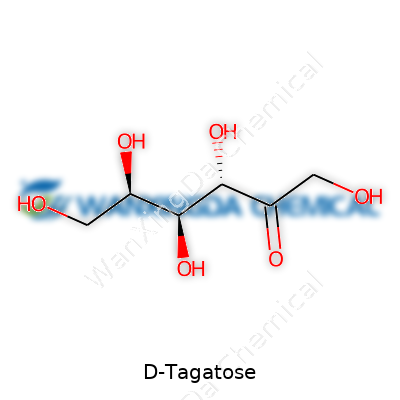
Most people don’t think about where rare sugars come from, but D-Tagatose has a backstory that matters. Scientists first spotted it in the 1920s in the sweat glands of mammals. For years, it didn’t break into the mainstream. Research in the 1980s and 1990s dug deeper into rare sugar chemistry, and researchers realized that D-Tagatose shares almost the same structure as fructose except for a single flipped hydroxyl group. This tiny change opened a door. Companies started filing patents for various production methods. By the early 2000s, folks interested in healthier diets saw it as something more than an academic curiosity. Now, people talk about D-Tagatose in health journals, food science conferences, and diabetic-friendly recipe blogs.
Product Overview: More Than Just Sugar
D-Tagatose looks like any old white powder, but it hides a twist. Its sweetening power comes close to table sugar, but it only delivers a fraction of the calories. That’s a surprise for people reading nutrition facts labels. People who care about glycemic response or want to keep calories in check turn to tagatose because it doesn’t spike blood sugar like sucrose. Many use it in drinks, desserts, and even some dairy foods. Health claims sometimes get out ahead of research, but there’s no mistaking this: D-Tagatose gives people who love sweets a new option in a world full of metabolic syndrome and diabetes risk.
Physical & Chemical Properties: What Makes Tagatose Different
On paper, tagatose looks a lot like other monosaccharides, but it brings some unique quirks. It melts around 133°C, dissolves well in water, and tastes almost as sweet as sugar—about 90% as sweet, actually. The sweetness is clean, without the bitterness of some non-sugar sweeteners. It resists browning a little more than sucrose, though it still participates in Maillard reactions, which affect color and flavor in baked goods. Chemically, tagatose is a hexose, similar to galactose or fructose, but it doesn’t break down in the body in quite the same way. Digestive enzymes leave it almost untouched, so the colon’s bacteria end up fermenting it, producing a little gas but few calories.
Technical Specs & Labeling: Realities at the Grocery Store
Most folks just want to know if a food is good for them, but behind the scenes, there’s a lot going on with dietary labeling. In the U.S., D-Tagatose appears on ingredient lists under its real name, but some food packs use trade names or synonyms. Food regulations push for clarity, so the caloric value—about 1.5 kcal per gram—gets attention. Since tagatose affects blood sugar less than other sugars, products that use it usually wear a “low glycemic index” or “diabetic friendly” tag. The FDA recognizes it as Generally Recognized As Safe (GRAS), though there are intake limits, mainly because too much can cause stomach gurgling.
Preparation Method: Science Meets Scaling Up
Making D-Tagatose in a lab is one thing, but producing tons for the food industry takes more than a beaker and a Bunsen burner. Most commercial producers start with lactose, the sugar in milk, which gets broken down into galactose. Enzymes called L-arabinose isomerases step in, flipping galactose to tagatose. Reliable enzyme technology cuts costs, and new methods keep popping up in research papers—biocatalysis, immobilized enzymes, even thermophilic bacteria that crank out tagatose at high temps. These methods aim to use less energy and less starting material because every percentage point saved in the process cuts costs and boosts sustainability.
Chemical Reactions & Modifications: Tweaking the Sugar
Like most simple sugars, D-Tagatose reacts with other ingredients in surprising ways. In harsh heat or acidic environments, it can break down, impact flavor, and color. Maillard reactions in baking give a nice browning, though the pace is slower than glucose. Food chemists tinker with modifications: blending it with other low-calorie sweeteners, adding stabilizers to keep it from crystallizing in drinks, or using it alongside bulking agents for chewy textures in snacks. Tagatose can even form glycosides or esters, which have their own use cases, though these aren't mainstays in grocery stores yet.
Synonyms & Product Names: Many Labels for the Same Thing
People who read ingredient lists may see “D-Tagatose,” “D-Tag,” or sometimes made-up product names like “Naturlose.” These terms often show up in technical papers and patents, but food packs stick to simple language for clarity. In scientific circles, tagatose may show up alongside other rare sugars such as allulose, but the unique story, taste, and metabolism set D-Tagatose apart. Shoppers just want consistency in labeling so they know what they’re eating. That’s where regulatory agencies help, pushing for standardized language under international food labeling rules.
Safety Standards: What the Science Says
Safety stands front and center. The FDA and EFSA in Europe have both evaluated tagatose and found it suitable for general use—up to a certain level. Eating large amounts may cause some digestive rumbling; the body doesn’t break down D-Tagatose completely, so bacteria ferment it, which produces gas. This side effect lines up with what some folks see with other sugar alcohols and fibers. No links to cancer or long-term health harm show up in published studies. For kids and pregnant women, the same advice as with any novel ingredient applies: moderation.
Where It Shows Up: Everyday Habits, New Choices
Tagatose doesn’t stand out at the bakery or café, but it sneaks into the background of new dessert launches, diet sodas, nutrition bars, and some functional foods aimed at people with diabetes or metabolic syndrome. It can even replace lactose or sucrose in some dairy-free ice creams—this is a game changer for people who want sweet treats without the blood sugar spike. In the pharmaceutical industry, it pops up as a low-calorie excipient. Pet food companies eye it for treats that sidestep weight gain in animals. Chewing gum makers love it for one reason above all: it doesn’t rot teeth, sidestepping the whole cavity mess by resisting fermentation by mouth bacteria.
What Research Says: Chasing Better Data
Researchers spend long hours testing how tagatose works in people with diabetes, obesity, or metabolic syndrome. Solid peer-reviewed studies show that tagatose delivers a much softer impact on blood glucose than table sugar. Several clinical trials point to mild weight loss and an improved lipid profile in some groups. The most trusted evidence comes from direct blood tests in humans. Scientists also dig into how bacteria in the large intestine process tagatose, studying which gut microbes thrive or falter in its presence. Some food technology labs look at how it holds up under cooking, how it affects shelf life, and how people react to flavors where tagatose takes the place of sucrose. The big thing missing: long-term, large-scale studies tracking daily tagatose consumers for years—but that’s a hold-up familiar for any new or rare food ingredient.
Toxicity and Side Effects: The Real-world Bumps in the Road
Eat a large amount of D-Tagatose, and you’ll notice increased bowel movement or mild bloating—honest feedback from real-life users and researchers alike. Still, it doesn’t carry the allergy risks of nuts, soy, or dairy, and it hasn’t turned up in cases of severe toxicity. Animal studies, terms that send a shiver up some people’s spines, show a high margin of safety. That matches what nutritionists and doctors see in the clinic. Still, moderation wins out: new food ingredients need time-out for adjustment, and some groups, including kids and people with irritable guts, want to keep tabs on intake.
Where Tagatose Heads Next: A Look Down the Road
The demand for low-calorie, low-glycemic sweeteners won’t slow down. More food companies want to cut added sugar, improve diabetic management, and bring new snacks and drinks to market without a chemical aftertaste. With allulose and erythritol crowding the space, tagatose needs to stand out with ultralow calories, a sugar-like taste, and no metallic notes. Researchers, especially in food science and biotech, push for easier production using greener enzyme cocktails and fermentation processes. There’s excitement about new medical uses, too—early-stage data points to potential benefits for gut health, dental care, and even as a filler in pills for people sensitive to maltodextrin or lactose. If regulations keep up, tagatose could move out of niche health aisles and into mainline soft drinks, sports nutrition, global confectionery, and, maybe, the family breakfast table.
Getting to Know D-Tagatose
D-Tagatose shows up on ingredient lists as a sweetener in drinks, candies, and even some yogurts, but not many folks know where it comes from or why food makers are turning to it. D-Tagatose is a rare sugar found in small amounts in dairy products and fruits. Food scientists figured out how to make it from lactose, so no need to rely on finding it in nature. It tastes almost like regular sugar—sweeter than many other alternatives out there—and comes with fewer calories.
Why People Are Talking About It
Most people know the struggle of cutting back on sugar. The warnings from doctors and dietitians keep getting louder: too much sugar raises the risk for diabetes, heart disease, and plenty of other health problems. People often report that artificial sweeteners don't hit the same spot and sometimes leave a strange aftertaste. D-Tagatose behaves and tastes more like real sugar. More importantly, it doesn’t lead to big spikes in blood sugar levels, making it a better fit for people at risk for diabetes or those who are watching their glucose levels.
Some scientific reviews explain how D-Tagatose is processed in the body differently than sucrose or high-fructose corn syrup. The body absorbs it more slowly and uses it in a way that has less impact on insulin. Researchers have pointed out its low glycemic index score: evidence from clinical trials shows its effect on blood sugar stays mild. Even the FDA has recognized D-Tagatose as "generally recognized as safe" for food use. For many families, having options beyond sucralose or aspartame feels reassuring.
Benefits Worth Noting
I’ve tried tracking blood sugar after eating D-Tagatose-sweetened desserts and didn’t see the usual jumps that come with regular treats. As someone who enjoys baking, I like that it browns and caramelizes much like cane sugar. Moms and dads can make homemade cookies for kids without worrying so much about hyperactivity or sugar rushes.
Oral health is another angle. Dentists warn that too much sugar encourages cavities. Since oral bacteria can’t ferment D-Tagatose as easily, it’s less likely to cause tooth decay. For those of us who have seen far too many dentist bills, every bit helps.
Room for Improvement
There are hiccups to sort out. D-Tagatose remains pricey compared to table sugar, which keeps many food brands from switching over. There’s also a practical issue: eating lots of it in one go can cause stomach discomfort for some people, similar to what happens with other sugar alcohols like xylitol or erythritol. For the folks who want to see it in more foods, researchers and industry leaders need to figure out cheaper ways to produce it at scale.
A Path Forward
Solving the cost challenge stands out as the main step for bigger adoption. I’ve met entrepreneurs and food scientists at trade shows who believe fermenting D-Tagatose using certain microbes could lead to bigger, cheaper harvests that don’t depend on dairy. If production scales up, watch for D-Tagatose to move beyond niche health foods toward mainstream shelves.
Balancing taste, health, and real-life costs isn’t easy in food science. Still, D-Tagatose offers a promising step for anyone hoping to enjoy sweetness without the usual consequences.
Looking at the Data and Real-World Experience
Sugar substitutes have found their way into kitchens and coffee shops across the world. D-Tagatose, a lesser-known cousin of table sugar, keeps showing up in ingredient lists for diet sodas, low-calorie snacks, and diabetic-friendly sweets. It’s natural to ask if this new sweetener is really safe. The answer demands a close look at both science and the ways we actually eat and live.
What Sets D-Tagatose Apart?
D-Tagatose sounds like it belongs in a chemistry textbook, but it’s actually found in small amounts in dairy, some fruits, and cacao. Chemically, it’s a monosaccharide, close to galactose, which our bodies already know how to process. The sweet taste comes with a fraction of the calories of regular sugar, and it doesn’t raise blood sugar sharply since only a portion gets absorbed in the small intestine.
Safety Research Stands Up
Food safety panels in the United States and Europe spent years looking at D-Tagatose. The U.S. Food and Drug Administration gave it the GRAS (Generally Recognized As Safe) status. The European Food Safety Authority approved it as a sweetener. Human trials show no evidence that it damages organs or harms metabolism in healthy adults, even at levels larger than we usually sprinkle in our coffee or put in a muffin recipe.
Some people notice mild stomach upset or gas after eating a lot of D-Tagatose, often above 30 grams per day. This side effect feels a lot like what happens with other low-digestibility sugars, such as those found in sugar-free gums or high-fiber bars. A bellyache seldom signals a toxic effect — it simply marks the body’s way of handling what it can’t fully digest.
Who Should Take Care?
No sweetener comes without limits. Folks with hereditary fructose intolerance or rare enzyme disorders might want to skip D-Tagatose. If you already avoid other low-digestibility sweeteners, go slowly to see how your body adjusts. Diabetes experts point to D-Tagatose as a reasonable option because it supports glycemic control, but any new food addition for someone with diabetes deserves a moment of conversation with a healthcare provider.
The Role of Moderation
Many comfort foods come with unfamiliar ingredients these days, leaving people uncertain about what’s really safe. Even natural substances like D-Tagatose work best as part of a balanced, thoughtful approach to eating. The biggest risk with new foods usually creeps in when marketing overshadows good science and people start chasing “miracle” labels or ditching basic nutrition. Fast-growing interest in sugar substitutes needs to stay anchored to science, not fads.
Better Choices with Better Information
Most of what makes D-Tagatose safe lines up with what makes other nutritive and non-nutritive sweeteners safe: honest testing, transparent communication of benefits and risks, and clear food labeling. Food science always moves, public tastes keep changing, and regulators must keep testing new data as it appears. It’s easy to forget that most of what we need from sweeteners isn’t sensation on the tongue, but power to enjoy foods and live well without risking our health.
Practical Tips for Eating
If you want to try D-Tagatose, start slow and listen to your own body. Watch for products that list it high on the ingredient list and keep an eye on portion sizes. If a new product makes health promises that sound too good, double-check them with trusted resources or a dietitian. New sweeteners come with excitement and a bit of confusion; clear-headed choices based on facts go a long way toward smarter eating for everyone.
Real Sweetness, Less Guilt
People crave sweetness—it’s a simple pleasure that lights up the brain's reward system. Still, many are waking up to the effects of eating too much sugar: weight gain, blood sugar spikes, and all the health complaints the doctor warns about. Every time I browse the supermarket or pour sweetener into my coffee, I see options that promise less sugar, fewer calories, and the same taste. D-Tagatose is getting a lot of buzz these days for people searching for a sugar hit with fewer health worries. But what makes this sweetener different, and how does it stack up in taste and calorie count?
Sweetness: Not Quite the Same, but Close
D-Tagatose lands a little below table sugar on the sweetness scale. It clocks in at roughly 90% as sweet as sucrose, which means you get a similar sweet profile, but not quite as punchy. I’ve tried using D-Tagatose in baking and coffee, and it works well for flavor—there’s no bitter aftertaste that often comes with artificial sweeteners. Still, it does require a slight adjustment. Some people may find themselves adding just a touch more to match the sugar rush they’re used to from sucrose.
Drinking a homemade lemonade with D-Tagatose left me feeling like I could actually enjoy the drink, rather than just tolerate it for the sake of cutting calories. That’s not always true of other substitutes, especially those that come off as metallic or leave an odd aftertaste. It’s close enough to the real thing that most taste buds won’t complain, especially in chilled beverages or yogurt.
Calories: The Numbers Tell the Story
This is where D-Tagatose impresses. Sucrose has about four calories per gram. D-Tagatose offers just 1.5 calories per gram. That means using D-Tagatose could help with calorie reduction, especially for people watching their weight or managing metabolic issues like diabetes. I’ve seen the numbers firsthand by tracking meals with both, and the difference adds up over a week.
Because of its low glycemic impact, D-Tagatose fits well in the diets of people looking to steady their blood sugar. Studies show that it doesn’t push up glucose or insulin the way table sugar does. This lands it a favorable rating with nutritionists who help diabetics and those prone to metabolic syndrome.
Room for Improvement and Responsible Use
An issue I’ve faced with D-Tagatose is tolerance—eat too much, and there may be stomach discomfort. I learned this the hard way after a batch of home-baked cookies. Moderation matters, especially for people with sensitive digestion.
The world doesn’t change on its own, so wider adoption of D-Tagatose needs continued research, clear labeling, and education. Food companies must develop recipes that use this ingredient well without simply swapping one problem for another, like reliance on bulking agents or questionable additives.
Looking Ahead: Smarter Choices
Life rarely gives perfect substitutes. D-Tagatose doesn’t check every box for taste or ease of use, but the reduction in calories and the lower blood sugar impact put it a step ahead of the classic sugar bowl. Dietitians and health experts agree: less sugar benefits nearly everyone. If the food industry can push forward with honest labeling and safe use guidelines, then D-Tagatose could earn its place as a real tool for fighting sugar overload.
A Closer Look at D-Tagatose for Those Watching Their Blood Sugar
Walking through the aisles at the grocery store exposes us to a colorful world of sweeteners. Some are natural, some are artificial, and quite a few make promises about blood sugar. D-Tagatose, a lesser-known sugar alternative, pops up here and there. For anyone managing diabetes, the question circles: Is it safe, or should it go back on the shelf?
Years of watching friends and family wrestle with diabetes have left an impression. Every label matters. Every gram of sugar counts. For those of us with a sweet tooth, alternatives seem like small miracles—until you dig through the science.
What Is D-Tagatose?
D-Tagatose comes from lactose, the sugar from dairy. Manufacturers tweak the lactose to create this low-calorie, low-glycemic sweetener. It tastes pretty close to table sugar, and unlike some sweeteners, it doesn’t carry the bitter aftertaste. D-Tagatose shows up in some diet foods, snacks, and sugar-free treats.
The science hooks on to its glycemic index. This number tells us how fast a food will raise blood sugar. Lower numbers cause a smaller blood sugar jump, which is a green flag for people with diabetes. D-Tagatose’s glycemic index stands far below regular sugar. Animal and human research shows that it causes only a small rise in blood sugar and insulin after meals.
What the Studies Tell Us
Clinical trials bring good news for D-Tagatose. In published research, folks with type 2 diabetes who used D-Tagatose saw only minor impact on their blood sugar. One study found improved control of post-meal glucose, which means fewer swings in blood sugar after eating. Some studies even suggest D-Tagatose might help with weight control and cholesterol, but these effects haven’t been fully proven.
Safety also matters here. You hear stories about some sugar substitutes causing stomach trouble; D-Tagatose is no different. Eat too much, and there’s a good chance of a bellyache, bloating, or even diarrhea. This comes from the way our bodies absorb and digest it—a lot passes right through, getting eaten by gut bacteria on the way.
Diet and Life: Finding Balance
Cutting sugar is tough, but D-Tagatose offers another tool. It lets folks with diabetes add a touch of sweetness without the rollercoaster spikes. At the same time, it’s important to listen to your body. For those with sensitive stomachs, starting low and going slow makes sense. Reading labels still goes a long way—D-Tagatose might sit next to other carbs that can affect blood sugar.
Doctors and dietitians underscore one message: No sugar substitute is a ticket to eat as much as you want. Managing diabetes means looking at the whole diet, getting exercise, and keeping an eye on blood sugar trends. D-Tagatose fits into this picture, but doesn’t paint the whole thing.
Seeking More Evidence and Personal Advice
Diet fads come and go. Scientific research crawls compared to the speed of marketing. For D-Tagatose, most evidence shows it’s safe in moderation. Long-term studies, especially in large groups, remain limited. If you or someone you care about lives with diabetes and wants to try it, check with a knowledgeable healthcare provider who knows your specific case. What works is always a bit different from person to person.
With change comes curiosity, and that’s a good thing. D-Tagatose won’t solve every problem for someone with diabetes, but it opens the door for more choices at the table. And in day-to-day life, real options matter more than hype.
Looking At What's Real About D-Tagatose
D-Tagatose gets labeled as a sweetener for folks who want to cut sugar without giving up sweetness. People with diabetes often turn to it because it barely touches blood sugar levels. I’ve had friends mix it into their morning coffee and even sprinkle it on fruit—searching for that kick without the usual blood sugar rollercoaster. Researchers call it “generally recognized as safe,” but safety doesn’t always mean total freedom from side effects.
What the Science Says
I dug into some research and talked to a few clinical dietitians. The story comes down to D-Tagatose behaving a lot like some sugar alcohols you see in sugar-free gum or low-carb snacks. Around 20% of what you eat actually gets absorbed; the rest makes its way to the colon, where gut bacteria have a field day fermenting it.
Sometimes that leads to complaints people don't like to talk about. Gas, bloating, maybe some cramps or a quick dash to the bathroom. Think of how too much sorbitol or xylitol can send you running—this is along the same lines, just not quite as intense for every person. Clinical trials show doses up to 30 grams each day might cause mild stomach upset in sensitive folks or those unused to this ingredient.
Eating Patterns and Individual Differences
I’ve noticed people react differently. One person adds it to a smoothie without trouble, another feels gassy by lunchtime. Kids might have more issues than adults, and folks with IBS can feel it worse. That’s not all that surprising; our guts handle fibers and rare sugars in unique ways.
Current research hasn’t pulled up signs of toxicity, cancer risk, or long-term organ damage. The gut complaints sit up front, though. If you eat a large amount quickly, those symptoms ramp up. Moderation keeps those side effects at bay for most people.
Why Side Effects Matter
So why does this discussion matter? People think a sugar substitute with a low glycemic impact lets them use as much as they want. That line of thinking can backfire. If gut distress shows up, it could keep people from using a tool that actually fits into a balanced diet when used right. Transparent labeling, practical education from dietitians, and clear health communication have never been more important. The last thing we need is another food trend that promises too much and disappoints in practice.
What Could Make It Better
One way to help would be small, clear warnings on packaging—nothing alarmist, just a heads-up for new users. Doctors and dietitians could raise this with patients looking for sugar swaps, especially if those patients take other meds or already have digestive sensitivities. Schools, senior centers, and diabetes support groups could run food demos showing real-life servings of D-Tagatose. Instead of pretending it’s magic, treat it like one option among many, with practical tips for building up tolerance.
As artificial sweeteners and specialty sugars grow more popular, we all could use a little more straight talk about possible discomforts. D-Tagatose stands out for what it doesn’t do—spike blood sugar, spark cavities—but what it can do, mainly in the gut, shouldn’t get brushed off. Honest conversations and good science go much further than hype.