Dibenzyl Ether: More Than Just a Solvent
Historical Development: From Lab Bench to Modern Industry
Dibenzyl ether didn't spring up overnight. Real progress around this chemical dates back to the late 1800s. Chemists, always keen to push limits, started with basic benzyl chloride and simple lab tricks. Early papers, mostly from Europe, detailed routes and results, sometimes with wild claims. Only as analytical tools improved through the twentieth century did dibenzyl ether prove its value for clean, high-boiling reactions. Gradually, it earned quiet respect in organic chemistry circles—a sign of innovation from an era before digital calculators and gloveboxes. These early breakthroughs highlight a broader lesson: the real work of chemistry often happens outside of big headlines, inside notebooks where mistakes and small victories drive progress.
Product Overview: Why Chemists Keep Coming Back
Plenty of solvents pop up in organic synthesis, but dibenzyl ether stands tall for its reliability at high temperatures. With a boiling point around 298°C, it can handle conditions that make lighter ethers flee. This property gives scientists more flexibility when working on stubborn syntheses. In my lab days, tackling Grignard reactions, dibenzyl ether sometimes stepped in for lighter companions like diethyl ether, making life easier when reactions demanded patience and stability. Aside from synthesis, manufacturers value its role as a specialized solvent where purer, uncontaminated results matter. As more products develop around specialty reagents, dibenzyl ether sits among the robust choices for challenging tasks.
Physical & Chemical Properties: What Makes It Tick
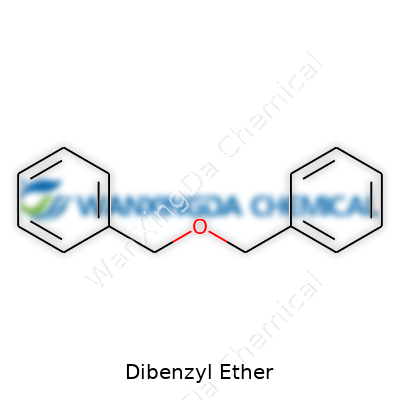
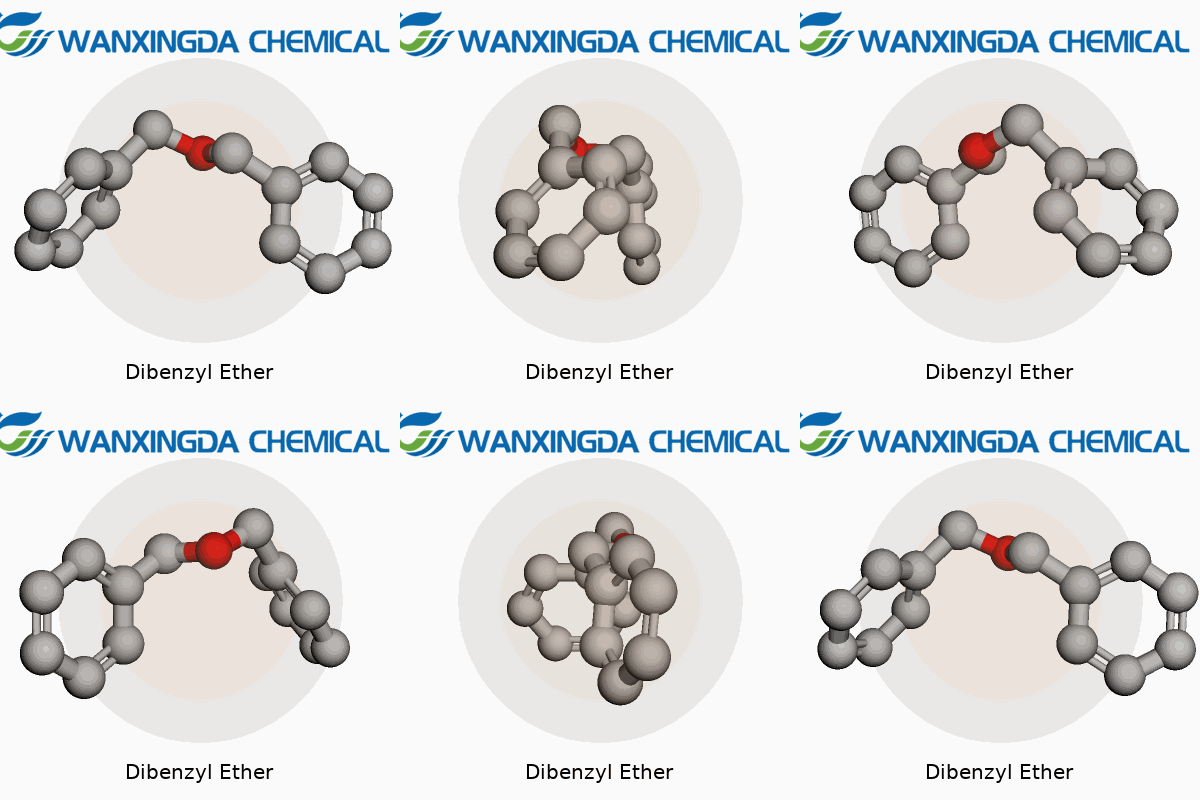
Dibenzyl ether draws attention with its high boiling point, faint aromatic odor, and clear, almost oily appearance. Unlike low-boiling ethers that evaporate at room temperature, this one sticks around, resisting evaporation during longer experiments. It dissolves many organic compounds well, which explains why it shows up where both reactivity and temperature control matter. The structure includes two benzyl groups joined by an oxygen atom—sounds simple but packs enough stability to resist breaking apart easily. In terms of solubility, water doesn't do much, but alcohols and chlorinated solvents mix well. Stability toward acids and bases sits in the average range, making storage straightforward if handled away from strong oxidizers.
Technical Specifications & Labeling: Details That Matter in Practice
Anyone who has ever ordered dibenzyl ether for a lab knows purity makes a difference. Technical data generally states a purity above 98 percent, so side products rarely sneak past quality control. The best suppliers will stand by that figure, recognizing that chemists demand predictable results. Details like density, refractive index, and flash point all matter to those operating distillation columns or running pilot batches. Spill-resistant packaging and clear labeling support safe handling. Good manufacturers provide an unambiguous name—“dibenzyl ether”—along with recognized synonyms, CAS registry number, and hazard statements to suit international labeling standards.
Preparation Method: Making Dibenzyl Ether Efficiently
Producers and researchers typically create dibenzyl ether using Williamson ether synthesis, a classic reaction combining benzyl chloride and sodium benzylate. This method delivers high yields, avoiding complicated purification steps most of the time. Some experiments go after direct dehydration of benzyl alcohol, but this approach gets sticky, literally and figuratively. In my experience, keeping reaction temperatures steady and minimizing water contamination changes the outcome from mediocre to excellent. Issues with side reactions—mainly benzylic oxidation—can pop up if air or peroxides enter the mix. Careful exclusion of moisture and oxygen pays dividends here, leading to fewer headaches down the road.
Chemical Reactions & Modifications: Building Chemical Diversity
The real charm of dibenzyl ether shows up when thinking about what happens next. The benzyl groups lend themselves to a variety of transformations if chemists cut one or both loose. Gentle oxidizing agents can rupture the ether bond, revealing benzyl alcohol or benzaldehyde. Sometimes, catalytic hydrogenation takes dibenzyl ether down to simple hydrocarbons, setting the stage for creative routes in synthetic chemistry. Researchers studying mechanisms enjoy tinkering with these transformations, learning both where the molecule might fall apart and where it holds firm. Amid multiple steps or high-temperature experiments, dibenzyl ether often proves its worth as a stable, reusable partner.
Synonyms & Product Names: Cutting Through Confusion
People new to this compound get tripped up by names. On bottles and datasets, dibenzyl ether might show up as “phenylmethyl ether” or “benzyl oxide.” Chemists sometimes reference it under its CAS number, which sidesteps confusion across languages and borders. Consistency in naming counts for more than paperwork; it prevents dosing errors and mix-ups, much like keeping your recipes sorted in the kitchen. Modern digital databases and quality suppliers rarely slip up anymore, though it always pays to scan the label twice.
Safety & Operational Standards: Protecting People and Experiments
Experience teaches respect for even the most familiar solvents. Dibenzyl ether’s main hazards stem from flammability and potential peroxide formation—hazards shared with other ethers. Storing it in tight, amber bottles away from light, heat, and open flames minimizes trouble. In workspaces, proper ventilation and grounded equipment cut the odds of explosive accidents. Chemists wise up after one too many headaches with peroxides, testing and discarding aged material before things go wrong. Skin contact or inhalation isn’t as hazardous as some others, but gloves and glasses remain the smart move. Modern labs lean on standard operating procedures and consistent training to turn this chemical from a hazard into a helpful tool.
Application Area: Where Dibenzyl Ether Shines
Beyond the lab, dibenzyl ether finds meaning in specialty areas. Industrial manufacturers blend it into high-boiling reaction mixtures, especially where long reaction times demand solvent stability. Sometimes, perfumers investigate its delicate aroma in trace applications, though cheaper alternatives usually win out for large-scale blends. Polymer synthesis taps dibenzyl ether for its inertness and compatibility with unusual monomers. Across these fields, users rely on the solvent’s predictability—it won’t vanish at the wrong moment, leaving a reaction to burn or seize. In academic circles, tricky carbon-carbon bond formations still drag out dibenzyl ether from storerooms. Its limited solubility in water means that after reactions, recovery is straightforward. This combination of traits—high boiling point, solvent power, and basic safety—ensures dibenzyl ether remains relevant even as new solvents appear.
Research & Development: Trends and Innovations
Market trends show a continued push for greener, safer solvents, but dibenzyl ether stands as an old-school favorite. Chemists involved in organic synthesis often compare classic options, always chasing lower toxicity and easier disposal. Some research groups focus on tweaking dibenzyl ether’s structure, swapping benzyl for related groups in search of either better performance or less environmental impact. These designer ethers don’t always beat the original for stability and availability but reflect a mindset of continuous improvement. Instrumentation teams, working to automate syntheses, appreciate dibenzyl ether’s consistent behavior during scale-up. Data from real-world use feeds back into improved safety protocols and greener manufacturing processes, showing how established products adapt without losing sight of original strengths.
Toxicity Research: Risks and Realities
No solvent comes without a downside. Toxicology studies on dibenzyl ether suggest low acute toxicity, but repeated or high-level exposure adds up over time—not too different from overexposure to other aromatic compounds. Animal studies, though somewhat limited, warn that inhalation or ingestion could trigger mild to moderate effects, including respiratory or liver irritation at high doses. Proper industrial hygiene, regular air monitoring, and respect for time-weighted exposure limits keep workers out of trouble. Disposal of contaminated material requires careful incineration, which stops benzylic residues from ending up in water supplies. Risk comes down to common sense: using the right container, following disposal rules, and handling small spills before they spread.
Future Prospects: Evolving Uses and Ongoing Challenges
Outlook for dibenzyl ether rides on its proven reliability, but greener chemistry may push its use toward more niche applications. The search for sustainable solvents accelerates every year, often driven by regulations and grassroots advocacy. Some researchers work on finding renewable routes to produce dibenzyl ether, avoiding problematic reagents and reducing energy demand. Others explore blending it with newer, less hazardous co-solvents for custom reaction environments. Yet, as new chemicals come and go, the core advantages—thermal stability, inertness, and ready availability—keep dibenzyl ether in the lab. Lessons from its long history demonstrate how chemistry evolves when experience, data, and safety align. By keeping old favorites under a critical eye and welcoming alternatives, industry and academia alike steer towards smarter, safer, and cleaner chemistry.
What People Really Do with Dibenzyl Ether
Dibenzyl ether never makes the headlines, but plenty of work happens in labs and factories because of it. Most of us won’t ever see a bottle of it at the grocery store, but its influence trickles down in ways that run deeper than many folks realize. Chemists have kept dibenzyl ether on their benches for generations, mostly because of its reliability as a solvent. That one property already says a lot about its importance: a good solvent can decide whether a reaction takes off or stands still.
I remember my early research days, flipping through old organic synthesis methods in dingy books and seeing “dibenzyl ether” called up like a secret weapon. It caught on as a favorite for making ethers and in some specialized reductions, especially where something needed to stay stable at higher temperatures. The stuff doesn’t break down too quickly when things get hot, and that’s a blessing for reactions that need hours to finish cooking. Sometimes speed is less important than stability.
Real-World Impact: Beyond the Flask
Dibenzyl ether’s story doesn’t lock itself in the lab. In certain processes for making flavors, fragrances, or other fine chemicals, it steps into production lines that churn out products for global markets. These sectors can’t just swap out solvents based on trendy headlines; they look for low reactivity, reliability at several temperature ranges, and minimal contamination risk. If a solvent is going to release toxins or catch fire at the drop of a hat, it doesn’t last long in competitive industries.
Cleaning agents also tap into its power. Sometimes it’s about getting the stubborn stuff off machinery without destroying sensitive parts, and dibenzyl ether finds its lane in niche cleaning solutions. I’ve talked with engineers who swear by these oddball solvents for keeping their gear alive years longer than usual. Time and again, seemingly plain chemicals like this make or break a maintenance schedule.
Why Safety and Sustainability Matter
Here’s the rub: there’s no magic in industry, only trade-offs. Dibenzyl ether isn’t the most dangerous substance around, but it doesn’t earn a gold star for safety either. Skin contact or inhaling fumes leads to irritation—nothing most chemists don’t expect, but also nothing to ignore. Repeated exposure opens the door to bigger risks, and that raises questions about substitutes. People in the field stay ready with fume hoods, gloves, and goggles. Still, keeping dangerous chemicals out of the workplace where possible is always the goal.
Environmental questions follow behind. Nobody likes leaks. Production companies now receive stricter oversight, and many work to keep solvents like dibenzyl ether from escaping into waterways or soil, especially since it doesn’t break down easily outside. Solid regulation and modern waste treatment keep risks in check, but the push for greener alternatives keeps growing. I’ve seen a lot of companies start to look into water-based or plant-derived options, even if those don’t always meet every technical demand.
The Takeaway: Why It Matters
Everyday objects and conveniences depend on background actors like dibenzyl ether. Most of us never have reason to think about it, but products from perfumes to advanced pharmaceuticals trace a line back to such chemicals. Choice of solvent shapes not only what gets made but how safe, sustainable, and reliable manufacturing can be. As better options show up, industry and lab workers have a responsibility to keep asking: is this still the right tool, or is there a smarter way forward?
Looking Beyond the Formula: C14H14O
Dibenzyl ether sounds like a compound only organic chemists care about, but the world’s full of small surprises. Its chemical formula, C14H14O, tells a simple story: two benzyl groups bridged by an oxygen atom, forming a colorless, almost sweet-smelling liquid. That combination doesn’t just belong on a chalkboard in a university lecture hall. It helps reveal why some chemicals end up mattering far outside the lab.
Take dissolving power. Many organic molecules, including dibenzyl ether, pull their weight as solvents in chemical reactions. Lab techs rely on them because a good solvent can mean the difference between wasted effort and a solid product. There’s nothing flashy about this molecule. It doesn’t show up on the evening news, but its ability to dissolve other organic compounds or serve as a reaction medium allows all sorts of processes to tick along smoothly. Fatty acids, resins, even flavors or fragrances—dibenzyl ether quietly steps in, doing some of the heavy lifting in industries that touch everything from perfumes to pharmaceuticals.
Despite that importance, most people working outside a lab will never hear its name. Its relative obscurity isn’t because it’s unimportant, but because it’s steady, reliable, and doesn’t cause trouble. If you’ve ever mixed paint or used cleaning supplies, you’ve depended on solvents with similar profiles, sometimes even containing dibenzyl ether. It dissolves greases, polishes, and can even help separate out precious substances in chemical extractions.
Every time I’ve tried to explain to friends what goes into making something as everyday as a fragrance or a pharmaceutical, I find the same reaction. Folks expect flashier ingredients, something with a complex story. Instead, stable, clear liquids like dibenzyl ether do the grunt work behind the scenes. Their low reactivity lowers risks in the workplace, and they don’t leave much waste behind. That’s better for workers, better for the air, and easier on disposal efforts—important facts in any effort to keep chemistry clean.
Europe and North America both watch solvents closely. Agencies like the EPA and ECHA monitor chemicals to safeguard human health and the environment. Dibenzyl ether has earned its reputation as a relatively mild compound, but like all organic solvents, safety precautions matter. Prolonged exposure, spills, or improper ventilation can cause health issues. In my own experience, laboratories only purchase small amounts, label and store it well, and keep good air circulation going. A little respect for chemical handling goes a long way.
What the Future Holds for Quiet Contributors
Green chemistry is on everyone’s radar. Manufacturers look for ways to cut down waste, avoid persistent pollutants, and still make the products customers want. Solvents like dibenzyl ether sit in the crosshairs of innovation and tradition. The best answer lies in careful evaluation: using only what’s needed, phasing out risky solvents for income alternatives, and constantly rethinking formulas. Some companies now reassess each ingredient for environmental impact, hoping to make solvents quieter and safer.
Having handled dozens of such compounds myself, I see how transparent chemistry builds trust. Knowing exactly what C14H14O means, how it helps behind the scenes, and what safeguards surround its use gives both workers and the public more confidence. Quiet chemicals, dependable and largely forgotten, hold up massive sections of everyday life. That's plenty of reason to keep the conversation going about their benefits, precautions, and the subtle threads they weave through modern industry.
Understanding Dibenzyl Ether in Everyday Context
Dibenzyl ether rarely makes headlines or sparks a heated discussion, but it quietly plays a role in labs and manufacturing environments. As someone who has worked with chemicals throughout my career, I’ve learned the hard way that lesser-known compounds often catch people off-guard in terms of risks. People use dibenzyl ether in paints, coatings, and sometimes as a solvent for specialty reactions. Its pleasant and almost floral odor can be deceptively inviting; it doesn’t smell like trouble at all. Most folks outside industrial or research settings probably never encounter it, but for those who do, recognizing the hazards should go beyond memorizing a few buzzwords from a safety sheet.
Looking at the Hazards: The Facts, Not the Fear
This substance ranks as a low volatility liquid, meaning it doesn’t evaporate and linger in the air as much as some industrial solvents. It isn’t on par with acutely toxic chemicals like cyanide or benzene, but its risks aren’t nonexistent. Splash a bit on your skin and you might deal with irritation; breathe in a mist for an extended time, and coughing or headaches can follow. Its benchmark for toxicity—often measured as LD50—sits higher than many classic lab and factory hazards. That said, reports in the literature have tied extended or high-level exposure to adverse effects in some animal studies.
One big problem people run into involves complacency. Workers get comfortable, skip gloves, or ignore ventilation guidelines because the risk doesn’t feel immediate. Over time, this sort of attitude leads to chronic skin problems, aggravated respiratory conditions, or simply poor workplace habits that snowball into bigger incidents. NIOSH and OSHA both put out guidance around similar organic ethers, and common sense suggests not brushing off recommended limits for airborne concentrations.
Beyond the Basics: Environmental and Community Impact
Stories of chemical disasters highlight dangerous substances making their way into waterways or soil. Dibenzyl ether isn’t as notorious, but it doesn’t just break down overnight. If runoff from a factory enters a stream or leaks into the ground, it sticks around longer than something like ethanol. Fish, insects, and local communities could end up paying the price, especially near smaller facilities without robust monitoring. For those of us who care about sustainability and keeping our surroundings clean, tracking what happens with waste solvents matters as much as workplace exposure.
Common-Sense Protections and Realistic Solutions
Personal experience tells me safety starts with solid habits—gloves, goggles, and ventilation. Training sessions should cover more than “checkbox” safety points. People remember stories, not charts, so bringing real incident reports or lessons learned into conversations helps more than dry rules. On the industrial side, pushing for enclosed transfer systems and investing in better engineering controls matters a lot, especially in places where turnover is high and experience runs thin.
Waste disposal deserves just as much attention. Facilities handling dibenzyl ether ought to partner with licensed professionals and see waste tracking as non-negotiable. As green chemistry gains momentum, researchers and companies can experiment with swapping out older solvents like dibenzyl ether for safer or biodegradable options. Progress happens when safety and innovation go hand in hand.
Practical Takeaways for Workers and Neighbors
Nobody wants to stoke unnecessary fear about chemicals in the workplace, but nobody benefits from downplaying genuine risks either. If you work with substances like dibenzyl ether, stay curious, listen to safety experts, and treat “routine” procedures as seriously as day-one training. If your community sits near a facility handling specialty chemicals, getting involved in local safety forums or demanding clear communication from site managers can make a real difference.
Behind the Labels
Dibenzyl ether doesn’t often draw a crowd outside of chemistry circles, but anyone who spends their time working with organic solvents will have crossed paths with it. This solvent, clear as water with a slight floral aroma, can easily end up forgotten on a lower shelf. So why does storing it properly matter so much? Besides keeping the lab tidy, a bit of care with dibenzyl ether cuts down on risks—both for people in the lab and the stuff itself.
Let’s Talk Fire Risk
Dibenzyl ether has a flash point not wildly higher than common solvents like acetone, so any complacency about ignition can spell trouble. I’ve seen labs where rows of solvents crowd together on a sunlit cart, left there for convenience. That’s a recipe for disaster, since heat and sunlight chip away at chemical stability. The best spot for dibenzyl ether stays cool and dry, well away from open flames, sparks, or heat sources, and it doesn't take much for a small spark to ruin an otherwise quiet day in the lab.
Keeping Oxygen and Moisture Out
Take one look at how dibenzyl ether reacts with strong oxidizers, and you’ll learn why airtight containers matter. Left too long in half-sealed bottles, atmospheric oxygen and traces of moisture can tip the balance and make runaway reactions more likely. I came up in a lab where someone once left a cap partially unscrewed—returning to find a yellowed, thickened mess that nobody wanted to touch. Glass bottles with tight seals and labels help, but frequent checks keep problems from creeping up before you notice.
Labeling: More Than a Chore
It’s tempting to scribble an abbreviation on a bottle and call it good, especially when juggling multiple projects. But walk into a storeroom where things are labeled clearly, and people tend to relax. Dibenzyl ether looks like a lot of other liquids, and grabbing the wrong bottle for a reaction can stop a whole batch cold. Beyond safety, it saves time spent tracking down lost chemicals or tracking back mistakes. If everyone in the lab writes the full name and date of opening, that bottle won’t turn into a mystery years later.
Ventilation and the Human Factor
People can get used to smells in the lab, which leads to overlooked hazards with solvents. While dibenzyl ether isn’t as volatile as some, repeated overexposure builds risk. Keeping the storage area ventilated helps limit inhalation exposure, and it’s just one part of respecting the chemical. I’ve seen how a neglected fume hood—filters clogged and vents dusty—leads to headaches and complaints from newcomers. Good airflow means less of the solvent makes its way into your lungs on busy days.
Practical Solutions
Major spills draw plenty of attention, but unnoticed leaks from bottles rack up more harm over the long run. Drip trays and secondary containment seem like extra steps, but those seconds pay off, as cleaning up a puddle of dibenzyl ether is no fun, especially late in the day. Regular inventory helps catch outdated or damaged containers before they break, and clear policies about rotating stock keep waste down. Training new folks to respect these rules helps protect not only property, but the health of everyone in the space.
Why It’s Worth the Effort
Paying attention to how dibenzyl ether gets stored means fewer surprises and much less stress. Reliable storage is more than compliance or paperwork; it helps everyone focus on the work that makes a lab run. Over the years, following these practical habits has meant fewer headaches for me and safer labs for everyone else. There’s no glamour in careful storage, but plenty of value in knowing the basics are covered—even with an unassuming solvent like dibenzyl ether.
Dibenzyl ether’s story isn’t just about chemistry; it’s about trust and precision in a world that relies on both. In my time exploring chemical sourcing and lab work, I’ve seen how purity can tip the scale between a flawless reaction and a failed experiment. Labs and manufacturers count on chemicals like dibenzyl ether showing up the way they’re promised, not just for success, but for safety.
What Purity Really Means in the Real World
Most suppliers bring dibenzyl ether to the table in purities of 98% or better. That number isn’t plucked from thin air; researchers and producers have learned over time that anything less opens the door to frustrating side reactions that cost money and time. Trace impurities can stall polymerizations, foul up syntheses, or even trigger hazardous byproducts. A bad batch can wreck a production run or send a graduate student back to square one.
From what I’ve seen, you start to appreciate pure chemicals after wrestling with low-grade solvents and watching experiments go sideways. You get an almost sixth sense for contamination—strange smells, odd colors, reactions that fizz or fail. Those days make you grateful for suppliers who treat specification as a promise, not a suggestion.
Real-World Stakes: Beyond the Numbers
Industry likes to talk about parts per million, but purity isn’t just a number. It shapes what dibenzyl ether can do in practical terms. It pops up in pharmaceutical work, resin production, fragrance blending, and specialty synthesis. I remember a project where a single unintended contaminant left a scent batch smelling harsh instead of warm and floral—your nose knows more than a spreadsheet.
High purity means researchers can trust each run, especially if they’re working toward drug formulations or quality-sensitive products. Regulators demand it, too, since impurities in the wrong place aren’t just an inconvenience—they might become a liability. I’ve seen entire shipments scrapped because a certificate showed 97% purity instead of the 99% the application demanded. Even the most creative chemist can’t pull a miracle out of contaminated stock.
How Quality is Checked, and Why It’s Not Just a Checkbox
Purity checks don’t happen by magic. Labs rely on gas chromatography, NMR, and sometimes mass spectrometry to pick up minuscule traces of unwanted extras. Relying solely on supplier paperwork doesn’t cut it—there’s always a risk when eager sellers prioritize speed over care. I’ve learned not to trust a pretty label until I see the raw data myself.
The best labs and manufacturers post their testing protocols, share batch analysis, and invite customer questions. Transparency isn’t just nice to have; it’s non-negotiable if you want repeat business or peace of mind.
Moving Forward: Raising the Bar for Purity
More buyers now ask for not just baseline purity but detailed specification sheets: water content, residual solvents, and breakdowns on possible byproducts. It’s not about nitpicking—it’s about repeatability, safety, and outsmarting costly mistakes. Anyone in the chemical chain, from the glassware washer to the lead scientist, benefits from partners who deliver what they promise.
If we want smoother research and safer production, raising expectations for dibenzyl ether purity sets a standard. Being picky doesn’t just make for good science; it saves everyone a lot of grief down the line.