Understanding Dihydrocaffeic Acid: Past, Present, and Future
A Look Back: The Historical Thread of Dihydrocaffeic Acid
Dihydrocaffeic acid, known to chemists as 3-(3,4-dihydroxyphenyl)propanoic acid, has an understated history woven deep into plant biochemistry. This compound first caught the attention of researchers aiming to untangle the metabolic trails of polyphenols in everyday foods. Long before dietary trends started branding antioxidants as miracle workers, scientists picking apart the molecular makeup of grapes, olives, and other plants noticed that dihydrocaffeic acid often showed up in the breakdown of more complex polyphenols. By tracing the threads of catechol-containing molecules through fermentation and digestive transformation, biochemists highlighted its significance in foods and, indirectly, in traditional diets rich in plant sources. Decades of gradual research revealed it as more than a byproduct—a clue to understanding the impact of plant foods on health.
Get to Know This Compound: What Sets Dihydrocaffeic Acid Apart
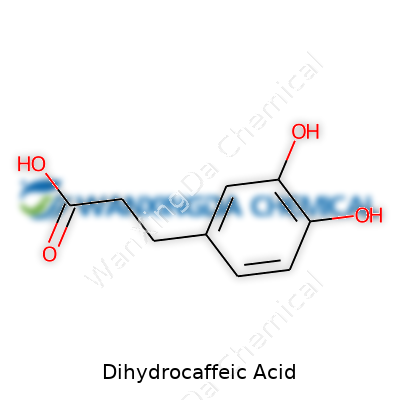
Anyone paying attention to the latest nutrition headlines might think of dihydrocaffeic acid as just another “phenolic acid,” but there's something distinct about it. Unlike bulkier polyphenols, its structure brings together a simple aromatic ring with two hydroxyl groups snugly placed at the 3 and 4 positions, and a flexible three-carbon propanoic acid tail. That double dose of hydroxyl groups gives it chemical bite—in essence, an ability to mop up free radicals and scavenge metal ions. For me, this paints a picture of a molecule that isn’t just floating aimlessly; it's actively shaping redox events in plant tissues and maybe even humans. It doesn’t carry the fancy name brand of resveratrol or quercetin, but its modesty disguises a remarkable activity profile, one that silently influences flavor, shelf life, and possibly our health.
Physical and Chemical Nature: Not Your Ordinary Acid
In the lab, dihydrocaffeic acid tends to form needle-like crystals from water, but don't expect showy colors—it stays nearly colorless or pale. The substance dissolves well in ethanol and warm water, reluctantly in cold, and gives up its protons easily due to those exposed hydroxyls. Chemically, the engaged catechol system interacts with oxidizing agents and metals. Its simplicity only makes its reactivity clearer. That’s why it wears so many hats in plants—sometimes acting as a defensive buffer, other times acting as a flavor precursor.
Technical Details and Label Clarity
Whenever you see the name “3-(3,4-dihydroxyphenyl)propanoic acid” on a research bottle or product label, that’s the industry standard synonymous with dihydrocaffeic acid. It also goes by DHCA in some literature or under less common systematics in chemistry textbooks. Lab-grade dihydrocaffeic acid commonly appears in a stable, crystalline state, ideally kept dry and air-tight. Loose storage or exposure to light tends to encourage slow oxidation, especially if any trace metals are lingering nearby. You won’t see this listed by a brand on a supplement aisle, but it does crop up in high-grade antioxidant blends or as a research reagent.
The Craft of Making Dihydrocaffeic Acid
Most industrial and research uses of dihydrocaffeic acid begin either with the hydrolysis of plant extracts or through clever lab synthesis. Extraction starts with raw vegetable matter—sometimes spent plant wastes from food industries—where solvent baths and acid hydrolysis break down the larger polyphenols, like chlorogenic acid, into component acids such as this one. Synthetic chemists can build it from scratch by functionalizing aromatic rings, a task easier said than done because catechol groups have a pesky tendency to auto-oxidize. Using hydrogenation of caffeic acid, itself abundant in coffee and several fruits, often delivers dihydrocaffeic acid in higher yields. Rigorous purification with chromatography then separates it from related compounds. It’s not quite bench-scale kitchen chemistry, but it remains within reach for most specialty labs.
Reactions and Tailored Modifications
Anyone who’s handled catechols knows the challenge: as soon as those hydroxyl groups see oxygen or enzymes, they start racing toward oxidation. In practice, dihydrocaffeic acid reacts with peroxidases, polyphenol oxidase, and a variety of free radical generators, giving rise to quinones and brown pigments that sometimes set off flavor changes in foods. Chemists have investigated ways to tweak the hydroxyls to block or slow this reactivity, such as methylating the ring or adding bulky side chains, aiming to improve storage, bioavailability, or reduce bitterness. This modified chemistry paves the way for new antioxidant derivatives with better fat solubility or extended biological action—a real need in the food and cosmetic world.
Why Safety and Good Lab Practice Matter
Nobody picks up a flask of dihydrocaffeic acid without respecting its chemistry. Decent gloves, eye protection, and good ventilation top my checklist, as with any phenolic compound. While it’s found in our diets in low amounts, concentrated forms demand careful handling to avoid skin or eye irritation. Lab spills tend to stain and smell faintly acidic. I’ve noticed that proper waste disposal is critical because phenolic waste can stress water systems, so following chemical disposal guidelines serves the greater good. For researchers, setting up quality control using HPLC or mass spectrometry means the difference between reproducible results and a wasted batch. It comes down to respecting the line between food chemistry and concentrated reagents.
Where Dihydrocaffeic Acid Shows Up: Practical and Surprising Applications
Practical use cases for dihydrocaffeic acid have spread far beyond academic curiosity. Food scientists have explored its role as a natural preservative, drawing on its antioxidant action to stave off rancidity in oils and color loss in fruit-derived products. In beverages like wine or coffee, its accumulation after fermentation clues experts into both nutritional shifts and sensory changes. Some cosmetic companies look toward its derivatives for skin formulas, aiming to harness anti-aging effects tied to its free-radical fighting ability. Biomedical researchers are always testing its effectiveness against oxidative stress in cell cultures, and some groups in Asia and the EU probe its promise in managing diabetes and inflammation in preclinical models. Nobody should mistake it for a panacea, but in the world of multi-functional antioxidants, dihydrocaffeic acid quietly pulls more than its share of weight.
Chasing New Questions: Research and Development
In research circles, dihydrocaffeic acid sits at an interesting crossroads. The last several years have seen high-throughput screening methods revealing links between dietary polyphenols and disease outcomes, with this molecule emerging as a recurring figure in metabolic breakdown pathways. My own reading of recent literature finds a rising interest in how microbiota turn bigger plant compounds into bioactive forms, and dihydrocaffeic acid lands squarely in that conversion process. This has spurred nutritional epidemiologists to take a closer look at its circulation and retention in the human body. Biochemists probe its role in protecting lipids and DNA against oxidative insults, wondering whether it can serve as a reliable biomarker for certain diets or conditions. For formulation scientists, the challenge remains—stabilize it, deliver it, and prove its action in complex biological systems.
Toxicity: Familiar, Yet Still Needs Deeper Study
Existing data on dihydrocaffeic acid toxicity mostly stems from its parent compounds, like caffeic acid, which is widespread across plant foods and beverages. At the levels commonly encountered in diet, the safety record holds up well: populations with high fruit and vegetable intake routinely get exposed to related phenolics without clear adverse effects. In concentrated supplement or purified forms, toxicity studies remain sparse, with animal data suggesting a respectable safety margin but calling for more thorough, long-term studies. Questions linger, particularly for people with sensitive skin or underlying enzymatic deficiencies, about whether large doses or chronic exposure could tip the balance. As researchers probe its pharmacokinetics, studies remind us that no antioxidant comes risk-free when delivered far beyond food-like doses.
What Lies Ahead: The Road for Dihydrocaffeic Acid
Looking to the future, science circles back on itself, aiming for a fuller picture of how simple plant acids contribute to health and product stability. Analytical technology promises sharper insights into how dihydrocaffeic acid travels from plant, to plate, to blood. I see an open field for collaborations: crop scientists breed for higher levels in traditional foods, fermentation specialists explore how microbes can boost its levels during processing, and life science teams dig further into its effects at the cellular level. Public interest in natural preservatives and functional foods likely keeps pushing research, nudging regulation and product innovation along. If research keeps up its pace, dihydrocaffeic acid will graduate from niche antioxidant to staple toolkit molecule for chemists, dietitians, and product developers alike.
Digging Into a Quietly Powerful Plant Compound
Every so often, a little-known compound catches the attention of scientists and health-conscious folks alike. Dihydrocaffeic acid fits that bill. As a molecule found in certain fruits and veggies — and as part of the broader family of phenolic acids — it doesn’t carry the label of a miracle cure or a headline-making supplement. Still, there’s a reason why researchers look twice at it.
Where It Shows Up, and Why Science Cares
This compound pops up in olives, wine, fruit skins, and even coffee. Long before it began appearing in research papers, people consumed it naturally through their diets. The public might not put it on their shopping list, but the science community keeps an eye on dihydrocaffeic acid for one main reason: its antioxidant activity.
Research keeps turning up evidence that antioxidants can help mop up free radicals — those pesky molecules that stress out our cells and may eventually trigger chronic disease. Lab tests show that dihydrocaffeic acid can slow down that oxidative process. Many scientists see this as a small but steady line of defense for the body’s DNA, cell membranes, and the aging process in general.
The Big Health Puzzle: Fighting Inflammation and More
Besides acting as an antioxidant, there’s growing curiosity about its anti-inflammatory effects. Modern life loads the body with triggers that inflame tissue, inside and out. Excess inflammation links to everything from sore joints to heart disease. Early findings suggest dihydrocaffeic acid may help dampen some of those signals in the body, acting almost like a natural buffer instead of a blunt pharmaceutical tool.
Some interest also ties back to brain health. With neurodegenerative diseases on the rise, scientists often search for dietary factors that can keep brain cells in better shape. Studies in lab dishes and animals hint that compounds like dihydrocaffeic acid might help protect nerves from damage tied to stress and aging.
Food, Supplements, and the Reality Check
Millions of people already eat this compound without thinking about it, since it’s present in many foods. The story gets murkier in the supplement world. Some companies include it as a supporting ingredient in antioxidant blends, but so far, it’s not front and center like vitamin C or resveratrol. That could change if more solid research backs up the early optimism.
If there’s one takeaway from decades of nutrition research, it’s that people usually get the most benefit when they build healthy diets, not chase single compounds. Dihydrocaffeic acid may play its part in that bigger picture, delivering small pluses for people who eat plenty of plants.
Working Toward Better Health, Not Just a Quick Fix
Personal experience and common sense both point to one thing: shortcuts rarely deliver lasting results. While dihydrocaffeic acid offers promise as one cog in the wheel of wellness, chasing miracle ingredients often takes attention away from habits that truly shape health. Filling plates with a range of fruits, veggies, nuts, and beans still stands out as the simplest, most accessible route toward a stronger body.
What Is Dihydrocaffeic Acid?
Dihydrocaffeic acid does not pop up in everyday conversation, but you may find it hiding in the ingredient list of botanical extracts, skin serums, or functional food products. Found in olives, coffee, and various fruits, this molecule comes from the natural breakdown of chlorogenic acid—a well-known antioxidant in our diets. Researchers have spotlighted it for its antioxidant ability, hoping it protects against environmental damage in both food preservation and topical creams.
Safety in Food and Supplements
I have watched the rise of new “natural” ingredients in food trends with a mix of curiosity and caution. Dihydrocaffeic acid has not earned the wide recognition of more familiar antioxidants like vitamin C or E. Safety studies exist, mostly in laboratory and animal models. These suggest low toxicity at typical dietary levels. For those using olive products, or sipping tea and coffee, chances are you already consume some dihydrocaffeic acid with no issue. The European Food Safety Authority and US Food and Drug Administration have not issued warnings about moderate intake, either. That said, the absence of warnings does not mean a free-for-all. Rigorous human clinical studies remain limited, so overdoing new supplements always carries risk.
Topical Use in Skincare
Walking into a beauty aisle, you’ll find a wild world of antioxidant serums promising firmer, brighter skin. Dihydrocaffeic acid pops up here because early work shows it scavenges free radicals. I understand the drive for new, plant-based ingredients, but I want solid evidence before putting something new on my own skin. So far, research in cells and animal skin suggests it lowers oxidative stress and calms inflammation. That’s promising. Still, there’s a big gap between these early results and knowing how it behaves on real human faces over months or years. Ingredient safety depends on purity, source, concentration, and how it’s paired with other chemicals in the formula—no two creams are exactly alike. Most botanical antioxidants cause little harm at low concentrations in well-formulated mixes. People with sensitive skin, allergies, or autoimmune issues should patch-test and speak with a dermatologist before using creams with any less-familiar compound.
What the Experts Say
Reviewing the research from universities and public health sources, dihydrocaffeic acid appears safer than many synthetic preservatives or irritants. No major side effects have surfaced in short-term studies. Key voices in nutritional science, including credentialed toxicologists and dermatologists, point out that antioxidants from food sources are generally tolerated well by most people. Yet, with any “new” ingredient—especially one processed in a lab rather than straight from the plant—the demand for long-term safety studies never fades. Label transparency and reputable sourcing still count as key benchmarks for deciding whom to trust.
Common Sense Matters Most
I take a measured approach: moderation, reading ingredient lists, watching for irritation or stomach upset, and asking professionals when uncertain. For most healthy adults, natural levels of dihydrocaffeic acid in foods don’t set off alarms. For anything in high doses—especially as a concentrated extract or supplement—it’s wise to remember that more isn’t always better. Rely on products from companies that publish safety data, follow good manufacturing practices, and keep up with regulatory updates. If you have underlying health questions, or react unpredictably to new ingredients, listen to your body and stay in touch with your healthcare provider. Trust builds step by step, not hype by hype.
A Closer Look at What Science Shows
People scroll past chemical names all the time without a second thought, but dihydrocaffeic acid deserves a closer look. This molecule, found in fruits and vegetables, may play a useful role in keeping the body balanced and resilient. In a world where chronic illnesses tie closely to lifestyle, understanding these compounds goes well beyond curiosity—it has real implications for everyday health.
Food-Based Compounds With Muscle
Research into polyphenols often focuses on the flashy names: resveratrol, quercetin, catechins. Dihydrocaffeic acid quietly sits in the background, tucked into grapes, coffee, and even some herbal teas. It forms in the body when gut bacteria break down other polyphenols. This natural recycling offers unique benefits, making use of what might otherwise go to waste in our diet.
Fighting Everyday Stress at the Cellular Level
Life takes a toll on the body, both inside and out. Free radicals—those unstable molecules everyone talks about—chip away at our cells over time. Too many of them lead to inflammation, wrinkled skin, stiff joints, and even higher risk for some diseases. Antioxidants slow down this damage, and dihydrocaffeic acid stands tall on this front. Lab studies show its ability to neutralize the most problematic free radicals, protecting cell membranes and DNA. That translates to smaller risks for things like heart disease and diabetes, which often trace back to slow, invisible damage done day after day.
Brain Health and Aging
Memory and clarity mean more as the years go by. Animal experiments hint that dihydrocaffeic acid reaches brain tissue after a meal and may tamp down inflammation there. While the leap from rats to humans isn’t simple, these early results matter. For people worried about cognitive decline or the slow build-up of damage behind conditions like Alzheimer’s, keeping inflammation in check makes a difference. Regular intake of foods containing polyphenols—including those broken down into dihydrocaffeic acid in the gut—could offer an extra layer of brain protection over time.
The Power of Gut Bacteria
Here’s a twist: dihydrocaffeic acid’s benefits depend on gut microbes working properly. Bacteria in the intestines help break down dihydrocaffeic acid from parent compounds in food, producing versions that the body can use. A healthy, fiber-rich diet encourages the right bacterial mix, amplifying dihydrocaffeic acid’s reach. This two-way street between diet and gut health means that the benefits of polyphenols grow strongest in people who consistently eat a variety of plant foods.
What Comes Next
Big promises can make skeptics out of the most hopeful people. The science supporting dihydrocaffeic acid leans on cell, animal, and early human studies, not long-term clinical trials. Still, blending more fruits, vegetables, coffee, and herbs into daily meals creates a foundation for wellness. Supporting gut health through plenty of fiber further unlocks what these molecules have to offer. Instead of chasing after single compounds as magic bullets, stacking habits that support overall health delivers the best results. Dihydrocaffeic acid shows up as one helpful piece in that larger puzzle, not a cure-all but a steady hand in a noisy nutritional world.
Understanding Where Dihydrocaffeic Acid Shows Up
Dihydrocaffeic acid appears in nature more often than most people might expect. It’s found in coffee beans, fruits, and even some root vegetables. Researchers have spent years looking into how this compound works in the body, especially since it shares some structure with better-known antioxidants like caffeic acid. Science keeps revealing more about how plant-based nutrients impact health. Still, folks want to know what these compounds actually do once they’re inside us — and if there’s a catch to enjoying their benefits.
Searching for Side Effects in the Studies
Mention antioxidants, and some people get stars in their eyes, hoping for a magical health boost. The truth usually lands somewhere in the middle. Dihydrocaffeic acid acts as an antioxidant, which means it can help the body handle stress from free radicals — unstable molecules that over time may hurt cells. Animal studies and computer predictions suggest dihydrocaffeic acid has some protective qualities, and it even shows promise in lowering inflammation. But what about downsides?
Dig around in medical journals, and you’ll find lots of talk about how dihydrocaffeic acid might support health. There isn’t much published human research focused solely on dihydrocaffeic acid. The available studies, most done in lab dishes or with mice, don’t flag serious red lights. This gap in human trials doesn’t mean all is clear — it just means researchers need to keep watching and measuring. For now, dihydrocaffeic acid looks mild compared to many synthetic compounds.
How Much Is Too Much?
What matters is concentration and source. In coffee or berries, the levels of dihydrocaffeic acid are pretty low. Regular folk would have a tough time getting enough from food to run into real trouble. Supplements change that story. If people start taking concentrated extracts, all bets are off, because eating nutrients in a pill skips some of the “built-in” guardrails that come with whole foods.
I’ve seen that with other plant compounds: green tea extract caused stomach upset and even liver troubles for some folks who overdid it, though sipping cups rarely brings problems. Dihydrocaffeic acid belongs to this same world of powerful, but not fully predictable, plant chemicals. So far, there isn’t a track record of allergic reactions or toxicity, but absence of evidence isn’t the same as proof of safety at high doses.
Fact-Checking Through E-E-A-T Principles
Medical experts emphasize watching for unexpected interactions, especially for people with health conditions or those on medication. Just because a compound comes from a plant doesn’t mean every dose or form is equally safe. Good science checks both the upsides and the risks in real people, not just isolated cells or animals.
Nobody gets healthier by ignoring the potential for side effects, even with natural compounds. The safest move is to eat a balanced mix of fruits and vegetables, which brings in a whole orchestra of nutrients that have evolved together. Those wanting to try supplements should ask their doctor first, especially anyone with chronic illness or sensitivities. Until more studies run their course, moderation stays the smartest bet, with a watchful eye on any new symptoms.
Potential Solutions and Next Steps
The next step for the medical community is to organize meaningful, controlled studies in humans. That means tracking both the good and bad effects of dihydrocaffeic acid over time — not just in theory, but in real-world diets. More info lets both doctors and patients understand how this compound works in living, breathing people, not just in test tubes. Until then, the safest path is common sense: enjoy a mix of plant foods and save supplements for places with strong evidence behind them.
Understanding What Dihydrocaffeic Acid Is
Dihydrocaffeic acid usually finds itself in research labs and rarely on pharmacy shelves. It stands out as a breakdown product of certain plant polyphenols. Some researchers have pointed to its antioxidant abilities, sparking curiosity in scientific circles. I remember reading a report in Journal of Agricultural and Food Chemistry discussing how it appears in the metabolism of chlorogenic acid from coffee. Plenty of scientific interest, but almost no exposure in mainstream medicine.
Where Dihydrocaffeic Acid Might Be Found
Most people searching for dihydrocaffeic acid end up browsing chemical supply catalogs that specialize in compounds for bench research. Companies like Sigma-Aldrich or TCI usually list it, but these places ask for credentials, including proof that buyers represent research organizations or universities. These companies don’t sell to walk-in customers or individuals aiming to use such compounds outside controlled settings.
Online shops with few regulations might claim to offer it, but any experienced researcher or medical professional would warn against buying chemicals from sources without solid reputations. The safety risks are too great. There’s no oversight to ensure purity or authenticity. Unregulated websites have also been known to slip by customs requirements or mislabel packages. People interested in health or personal experimentation should see that as a major red flag.
Typical Dosage—What Do Experts Say?
Medical professionals and nutrition researchers won’t set a typical dosage for dihydrocaffeic acid, mainly because there are no large-scale clinical trials backing up its use as a supplement. Public databases like PubMed have almost no human studies involving typical doses. Everything on record comes from test tubes and animals. This isn’t a compound with a recognized therapeutic dose or daily amount.
Much of my experience involves fielding questions from people who notice a new antioxidant or micronutrient in a published study. It’s tempting to ask for a dose you could mix into your smoothie or daily supplement stack. But the reality is, there’s simply no way to know what would be safe, and even less evidence exists about possible side effects or interactions with common medications. The only reliable numbers out there come from cell culture concentrations, which do not translate to human use.
Is There a Path for Safe Use?
For anyone curious about dihydrocaffeic acid because of its antioxidant reputation, that curiosity pushes up against the current limits of nutrition science and supplement regulation. The safest approach involves drawing health benefits from diet. Foods like coffee, fruits, and vegetables include a range of related polyphenols, which the body processes in its own way. Robust evidence points to eating a variety of plants as one of the most effective strategies for supporting health.
If research ever advances to support its use in humans, authorities like the US Food and Drug Administration will likely set clear guidelines. Until then, sticking with peer-reviewed information and advice from qualified health professionals gives the best mix of safety and scientific reliability. Anyone interested in more direct use should seek out registered clinical trials or contact licensed researchers.