Iodotrifluoromethane: A Closer Look at Science’s Understudied Halomethane
Historical Development
Stories of chemical research tend to circle around the blockbusters— the noble gases, Benzene, DDT. Iodotrifluoromethane slipped into laboratories a little quieter. Fluorine chemistry was turbocharged after the 1930s, but by the late 1940s, once folks like Simons opened up large-scale fluorocarbon production, it wasn’t long before someone thought to explore the effect of mixing iodine with fluoroalkanes. Early uses landed mostly in research, with atmospheric chemists and physicists getting curious about how halomethanes would react up in the stratosphere. For years, iodotrifluoromethane occupied a niche as a calibration gas and a laboratory standard in studies of atmospheric breakdown and photochemical behavior. The compound may not have won flashy headlines, but it gained a reputation as a reliable actor in certain corners of the research world.
Product Overview
Iodotrifluoromethane, known by many as trifluoroiodomethane, attracts attention mostly for its blend of stability and reactivity. The molecule joins a heavy iodine atom with the compact, tough CF3 group. Researchers often find this unique structure useful in exploring carbon-halogen bonds, radical chemistry, and photolytic decomposition. Many in the field don’t keep a bottle of this stuff in their garage, but those who work with volatile organohalogens know its name and explore its properties thoughtfully.
Physical & Chemical Properties
In a glass flask, iodotrifluoromethane shows up as a colorless gas; some might catch a faint aroma if they’re careless at the fume hood. Its boiling point—hovering around –22°C—reminds anyone handling it to use cold traps or pressure cylinders. The molecule isn’t as heavy as a perfluorinated alkane but still packs a punch thanks to iodine’s atomic heft. Density lines up with expectations for small haloalkanes, but what sets it apart remains its reactivity towards UV light and nucleophiles. There’s a mix of stability (from the CF3) and opportunities for transformation (from the C–I bond). The gas resists slow decomposition under ordinary light but decomposes briskly under UV, tossing out iodine atoms and CF3 radicals. This peculiar balance makes it both handy for certain experiments and tricky if left out in the sun.
Technical Specifications & Labeling
Chemical suppliers label iodotrifluoromethane with its CAS number, 2314-97-8, and group it among halomethanes. Most tanks or ampoules mark its purity, often exceeding 99 percent for research use. Container labels reflect both its compressed, liquefied form and its need for cold handling. Storage guidance rarely strays far from standard practice for volatile organohalogens—cool, dark, and far from moisture or direct sunlight.
Preparation Method
Chemists have learned not to take the easy road with CF3I. In practice, it usually comes from reacting trifluoromethane with iodine or from halogen exchange involving more accessible precursors. There’s a more efficient approach using silver trifluoroacetate and iodine—a method that scales up without the mess of competing side products. Safety can’t fall by the wayside during synthesis. Both fluorinated organics and iodine present their own challenges, and I’ve seen small labs relegate this prep to skilled hands only. Chlorination or fluorination of iodomethane also features in the older literature, but the modern age has little patience for inefficient or hazardous processes when better routes exist.
Chemical Reactions & Modifications
The allure of iodotrifluoromethane in the lab rests with its carbon-iodine bond. Free radicals form easily under ultraviolet light, powering chain reactions or serving as photochemical initiators. When exposed to nucleophiles, the molecule readily swaps its iodine for a range of other groups, making it useful for introducing CF3 into harder-to-access molecular frameworks. The molecule also offers opportunities for cross-coupling in modern organometallic reactions; the C–I bond transfers with good yields in skilled hands, leading to broader opportunities for fluorinated intermediates. Watching a reaction with CF3I reminds me of just how many possibilities a simple change in halogen can open up in organic chemistry.
Synonyms & Product Names
Chemists who roam the world’s corridors might call this compound by several names—trifluoroiodomethane or methyl trifluoroiodide pop up often. Its systematic title, Iodotrifluoromethane, helps keep the nomenclature tidy. Other times, the trade abbreviation CF3I appears, especially among physicists and engineers.
Safety & Operational Standards
Handling iodotrifluoromethane safely means leaning on common sense and standard protocols for halomethanes. This compound compresses easily into cylinders, demanding rigorous leak-checks and proper ventilation in labs. While not flammable in air, studies have flagged its decomposition risk: heating or exposure to strong light can split the molecule, producing iodide ions and reactive radicals. Protective gear and well-maintained cooling systems aren’t optional. My experience working with similar gases taught me that complacency, especially during transfer, can spell trouble. Emergency plans must be clear, not because this is the most dangerous substance around, but because routine breeds mistakes.
Application Area
Industry leans in two big directions with iodotrifluoromethane. Engineers use it as a gaseous dielectric in high-voltage equipment, favorites for its arc-quenching properties and lower toxicity than some legacy materials. Environmental science taps into it as a calibration gas in analytical standards, especially for tracing atmospheric reactions or benchmarking sensitive detectors. In the last decade, chemical researchers started probing new uses in organic synthesis, leveraging its reactivity for late-stage fluorination or as a photochemical radical source. Those who chase better ways to make pharmaceuticals often look here for the chance to add trifluoromethyl groups to tough scaffolds.
Research & Development
The research landscape for iodotrifluoromethane keeps expanding. New synthesis strategies offer improved yields while sidestepping hazardous intermediates. Chemists are probing photochemical libraries and exploring bond-forming reactions that rely on the unique balance of reactivity in CF3I. I’ve found that most published work focuses on the molecule’s dual role: as a convenient CF3 group donor for the synthesis of complex organofluorine compounds, and as a test case for understanding atmospheric breakdown pathways. Ongoing efforts target catalytic transformations that operate under milder conditions, chasing greener and safer processes that make best use of iodotrifluoromethane’s strengths.
Toxicity Research
Toxicology for iodotrifluoromethane doesn’t fill headlines, but scrutiny persists. Short-term inhalation has shown low acute toxicity, but chronic effects and decomposition byproducts remain under active debate. Under strong heating, breakdown prompts the release of elemental iodine and reactive fluoride species—substances no one wants to accumulate in their workspace. The general guideline in the lab: treat with respect, minimize extended exposure, and keep the ventilation humming. Environmental studies glance at its persistence, and although it decomposes more easily than longer-chain haloalkanes, careful disposal remains the right move. For anyone regularly exposed, periodic air monitoring and proper respiratory protection aren’t just recommendations—they are necessities.
Future Prospects
Iodotrifluoromethane sits on the edge of chemistry’s next chapter on halogens. Demand will rise as more chemists look for new ways to attach trifluoromethyl groups without harsh conditions or expensive reagents. Improvements in catalytic techniques and electrochemical methods will likely play a role. Electrical engineering and environmental sciences seem poised to keep this compound relevant, particularly as safer alternatives to greenhouse gases go mainstream. Emerging photochemical applications and radical-driven transformations open even more doors. I expect regulatory pressures and sustainability demands to keep scientists pushing for safer synthesis, greater recyclability, and smarter industrial applications, making iodotrifluoromethane not just a curiosity but an increasingly necessary tool in the evolving landscape of chemical science.
Iodotrifluoromethane doesn't show up in everyday conversation, but its impact touches several corners of science and technology. I’ve sat in research labs long enough to see that it isn’t the headliner most people expect. Still, I keep coming back to it, usually while discussing specialty gases or fluoroalkyl chemistry with students or colleagues. Each time, the discussion reveals as much about the way science moves forward as it does about the chemical itself.
Why Chemists Seek Out Iodotrifluoromethane
This compound stands out when someone needs to move a trifluoromethyl group into a molecule. The trifluoromethyl group acts almost like a superpower in medicinal and agricultural chemistry. From my own reading and work, adding this group shifts a molecule’s properties – boosts its metabolic stability, plays with its polarity, sometimes even changes how it interacts with biological systems. Drug developers lean heavily on these effects when trying to craft medicines that last longer or target the body more precisely. More than once, I’ve heard colleagues describe iodotrifluoromethane as the “trifluoromethyl donor of choice” for tricky syntheses, especially using copper or palladium catalysis. This popularity isn’t by accident; it saves steps and opens doors where older methods, using hazardous or messier reagents, fall short.
Special Uses Beyond Synthesis
It isn’t all about making drugs or agricultural chemicals. Iodotrifluoromethane has popped up in electronic and material science labs, often as a building block for new polymers and specialty coatings. The presence of those three fluorine atoms makes chemistry nerds’ eyes light up, since these atoms can toughen up materials and improve resistance to solvents or environmental breakdown. Sometimes, the compound gets used in environmental tracer studies. I've run across its use tracing gas leaks or monitoring airflows, due to its detectability and stability under test conditions.
Concerns Over Environmental Impact
One reason to tread carefully has to do with environmental persistence. Fluorinated compounds stick around. They don’t break down easily, and there’s been growing focus on their links to “forever chemicals” in water and soil. Iodotrifluoromethane does break down a bit more rapidly than chlorofluorocarbons or fully fluorinated analogues, but the persistent nature of those fluorines still gives pause. Regulatory agencies in Europe and North America keep a watchful eye on emissions. From what I’ve experienced, academic and industrial chemists alike feel the pressure to develop cleaner, shorter synthesis routes or to trap and recycle byproducts. This pressure isn’t just about ticking a box; it’s about not wanting to pass headaches onto the next generation.
The Search for Better Practices
So what needs to change? From what I see, the challenge doesn’t just sit with the synthetic chemist. Companies and researchers both can look harder for alternatives in less sensitive applications. Creative minds have explored trifluoromethylation using sodium trifluoromethanesulfinate or other bench-friendly reagents. These often come with fewer handling risks and might not linger as long in the environment. Universities and private companies have made good progress here, though it’s far from a solved issue. My hope, after years watching the patterns of chemical supply and demand shift, is that the next wave of innovation pushes for processes that keep the benefits of trifluoromethyl chemistry, but do it without leaving a heavy mark on the planet. Until then, each use of iodotrifluoromethane should come with careful consideration and a push for greener alternatives wherever possible.
A Closer Look at What Workers and Labs Face
As someone who has spent years around fume hoods, I’ve watched plenty of smart people trip up over a simple fact: chemistry doesn’t forgive carelessness. Take iodotrifluoromethane, for example. It shows up as a key component in some specialized applications, but safety chatter rarely puts it in the spotlight. Those working with this colorless, sometimes sneaky gas should stay alert if they want to keep things safe.
Real Risks in the Lab
It’s easy to underestimate a substance when it looks harmless. Iodotrifluoromethane might slip past your radar, but any chemist who has handled volatile halogenated compounds knows they often come with disturbing health risks. Inhalation shouldn’t be taken lightly; exposure can bring dizziness, headaches, or, at higher concentrations, far worse outcomes. I remember one colleague who briefly lost consciousness during an equipment malfunction involving a similar gas—nobody forgot that day.
Let’s talk pressure. Iodotrifluoromethane goes into cylinders, which means leaks threaten not just health, but physical safety. Gas under pressure turns a minor oversight, like a loose valve, into a dramatic event. Compressed gas accidents don’t have undo buttons.
The Basics Too Often Ignored
If you ask around, you find that many people count on gloves and goggles like talismans, but actual defense against a hazardous gas means planning from the ground up. Fume hoods stand as the main line of defense. I’ve seen situations improve just by making sure these hoods function at their best—moving from a half-working vent, for instance, to a genuinely strong airflow. Regular airflow checks and prompt filter swaps pay off more than fancy protocols stuck to the wall.
Gas detection should also come up early. Every time I train someone new, I stress the value of permanent gas monitors, not just handheld ones you fish out after spotting a problem. If the detector gives a warning, don’t play guessing games—clear out and fix the issue before restarting work.
Storing With Common Sense
You can’t outsmart physics. Store cylinders upright and secure them with strong chains or brackets. Keep them away from sunlight and heat sources—watching a new technician wheel a cylinder into a sunny spot in summer reminds me that constant reminders matter. Don’t stack cylinders together, especially not with incompatible materials nearby.
Labeling stands as more than bureaucracy. Clear, honest labels tell everyone what’s in play, cutting down on accidents caused by simple confusion. I’ve found that old habits, like scribbling notes in a hurry, lead to more mix-ups than you’d expect.
Training Builds Trust
Training makes the biggest difference. Not rushed, once-per-year lectures, but hands-on practice. Let people see the valves, handle the regulators, use the detectors. Encourage questions—sometimes, the quietest person spots the next near-miss.
Fix What Can Be Fixed
Safety around chemicals like iodotrifluoromethane comes down to paying real attention. Regular checks on storage areas, fume hood performance, and gas detectors add up. Invest in good equipment, learn from the old-timers, and keep talking about what works and what doesn’t. No shortcut replaces a culture built on sharing lessons and keeping eyes open, no matter how many times you’ve done the job before.
Beyond the Letters: The Formula Tells a Bigger Story
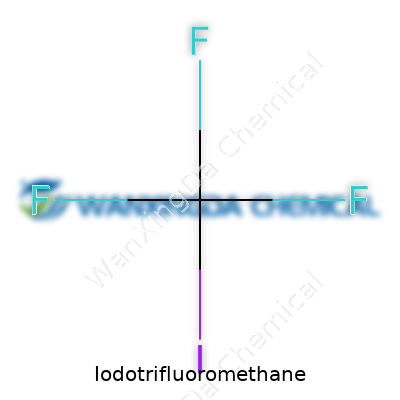
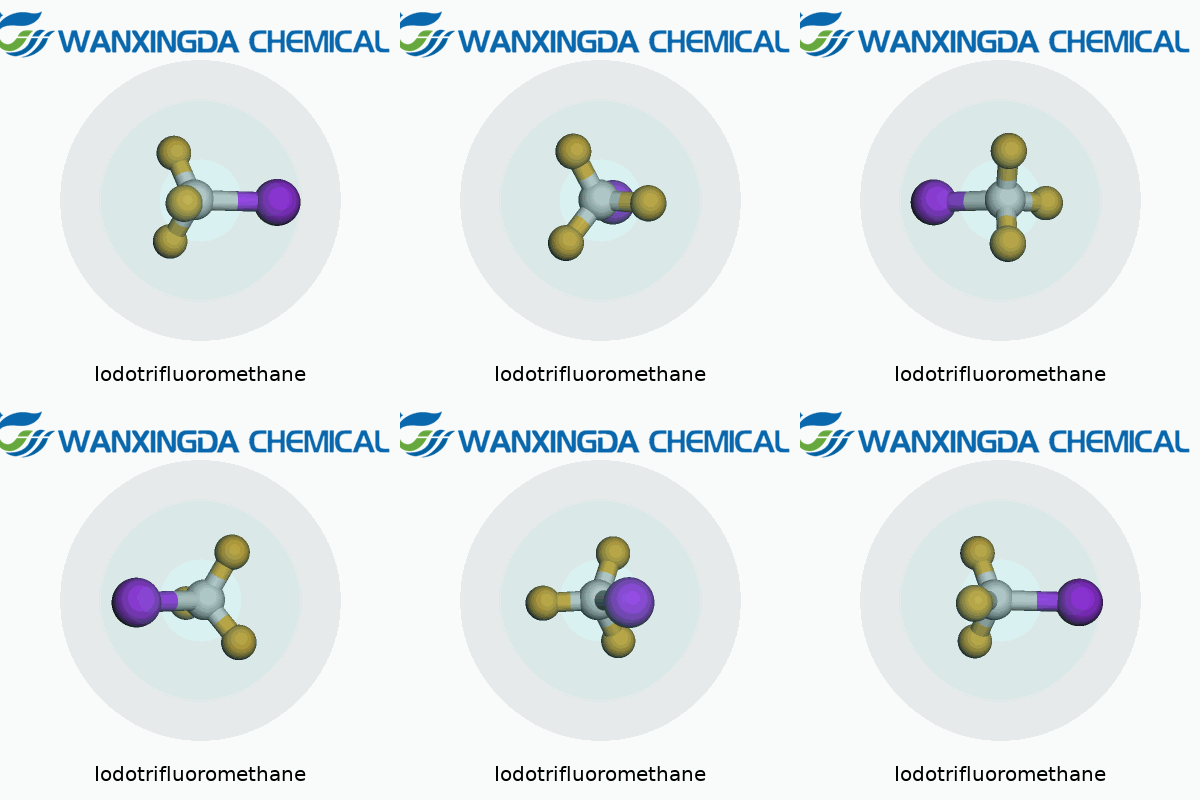
Iodotrifluoromethane doesn’t show up in everyday conversation, unless you’ve spent any decent time in a chemistry lab or poked through lists of specialty refrigerants. The formula—CF3I—looks straightforward, though that tiny string carries a lot of complexity. A single carbon atom, three fluorine atoms, and one iodine atom—line them up, and you have a molecule that’s done more than just fill some space in a databook.
In college, I remember the first time I ran across iodotrifluoromethane during a research project. I was thrown off by just how specific some compounds can be, and it made me appreciate the discipline in chemical naming. The formula isn’t just academic—it spells out the molecular makeup in a way that anyone in science can understand, no matter their native language. CF3I is precise and universal, which saves a lot of time and mistakes.
Calculating the Molecular Weight
For anyone working in chemistry, knowing the molecular weight matters. It’s the sum of all atoms in the molecule, and in this case, iodine tips the balance. The numbers come from the periodic table: carbon is about 12.01, each fluorine weighs 18.998, and iodine is about 126.90. A quick calculation shows:
- Carbon: 1 × 12.01 = 12.01
- Fluorine: 3 × 18.998 = 56.994
- Iodine: 1 × 126.90 = 126.90
Adding those up lands you at 195.90 g/mol. That single number shapes everything from how researchers handle the material, to storage requirements, to the equations crunched in a chemical plant’s scheduling system. You can’t run accurate simulations, reactions, or balances without it. In fact, almost every memo I’ve written for labwork had to triple-check the mass values before any experiment kicked off.
Applying E-E-A-T in Chemistry: Why Reliability Matters
Every field gets better when facts are solid. In chemistry, trust comes from proving things and citing shared standards. Iodotrifluoromethane is no exception. Picking apart formula and molecular weight isn’t a side hobby; it’s a protective habit. Mistakes, even small ones, can cost a project or worse, hurt someone. In the professional world, folks expect details to match up—E-E-A-T isn’t just a buzzword but the backbone of responsible research. Accuracy shows respect for data and people. Instructors, for instance, always drilled this lesson in, having seen mishaps from rounding numbers or typing in the wrong symbols.
Misinformation sneaks in easily, especially online. More than once, I’ve seen blogs and even textbooks print wrong molecular weights. Double-checking with trusted databases or scientific resources like PubChem or NIST pays off. Being careful with the details earns credibility and, importantly, keeps researchers from making practical errors.
The Value of Chemical Clarity
Beyond academic circles, the right formula and weight for something like iodotrifluoromethane help industries make decisions that ripple outward. Environmental impacts of specialty chemicals, regulatory discussions over persistent greenhouse substances, or innovations in fire suppression—all need rock-solid facts. A misplaced atom or digit shifts risk assessment and opens up real legal, financial, and safety consequences.
Better chemistry starts with the details, and detail starts with simple truths: get the formula right, and respect the numbers. It’s not just about textbooks—it’s about trust and progress, and in the end, safer science for everyone.
Why Storage Decisions Matter
Many chemists, technicians, and safety officers come face to face with chemicals that pack a hidden punch. Iodotrifluoromethane doesn’t make headlines, but in the laboratory, its well-being often reflects the health of staff and the environment more than anything else. In my early days working with specialty gases, I learned that cutting corners on storage—even with “simple” halomethanes—always brings trouble sooner or later.
Material Realities, Not Just Regulations
Iodotrifluoromethane can react unpredictably if it’s exposed to heat or light. Direct sun mixed with a lack of ventilation creates the kind of scenario that seasoned professionals dread. I still remember the day a colleague discovered a warm cylinder, sweating near a sunny window, and the quiet but urgent scramble to cool it down. This taught me, as so often happens, that theory in safety manuals rarely replaces daily vigilance.
The Role of the Storage Space
The best home for chemicals like iodotrifluoromethane is a cool, dry, locked spot—a room where temperatures barely budge and where nobody goes rummaging around unannounced. In my experience, metal cabinets away from power panels, direct sun, and routine work zones keep accidents off the calendar. Ventilation matters just as much. Many gases drift downward, seeking out basements and low corners, which turns forgotten rooms into hidden dangers.
Fire suppression makes a huge difference. Traditional sprinkler systems don’t always work with specialty chemicals. Dry powder or clean agent systems won’t make a bad spill worse—relying on water alone can create hazardous byproducts, especially with compounds containing halogens.
Labels, Logs, and Limits
Keeping clear, accurate labeling strikes a balance between following the rules and protecting real people. It takes very little for an unmarked or mislabeled cylinder to fall through the cracks, and no system, no matter how modern, replaces a watchful staff member. In one lab, I saw the trouble unfold during an inspection, when uncertainty about the contents of a single mislabeled canister led to a multi-day evacuation. Since then, I’ve made it a habit to check every label by sight, not just trust old spreadsheets.
Inventory control proves to be the backbone of safety. The fewer containers on hand, the smaller the fallout from any single mishap. Smaller batches keep the risks manageable, and frequent rotation ensures hazardous stock never lingers long enough to degrade.
Training and Trust: People Make the Difference
All the best equipment means little if the staff isn’t on board. Having lived through safety drills that felt like afterthoughts, I’ve seen how confidence in handling and emergency response evaporates without hands-on practice. Regular, scenario-based training gives everyone the edge—moving beyond theory to decision-making in the real world.
Building a Smarter Future for Hazardous Chemical Storage
No matter the field—industrial, academic, or small-scale research—the habits around handling and storing iodotrifluoromethane reveal the deeper priorities of a workplace. It’s less about obeying checklists, more about the commitment to care for people and property day in and day out. Real safety grows from experience, routine attention, and a healthy dose of humility. There is always more to learn, and always another shut cabinet, daily log, or quick check that keeps danger at bay.
What is Iodotrifluoromethane and Where Does It Show Up?
Iodotrifluoromethane, known in chemical circles as CF3I, shows up in niche industrial work. You might catch it in some specialty refrigerants or fire suppression systems, prized because it can help snuff out flames without the ozone-destroying punch of older chemicals. At surface glance, that makes it look friendlier to the environment than things like Halon or CFCs. But as someone who digs past labels and likes a second look, I keep hearing the same question: what does it mean for people’s health, and what could it do to our surroundings?
Real Hazards: What Science Knows So Far
Chemists and safety agencies have put iodotrifluoromethane through a battery of tests, and here’s what stands out. Inhaling a lot of this stuff could irritate lungs or trigger coughing. In higher concentrations, like in a spill or accident, breathing it might replace oxygen and set off headaches, dizziness, or worse. It doesn’t have the raw, in-your-face toxicity of things like phosgene, but no one’s calling it harmless. I’ve checked the research and pieces from the National Institute for Occupational Safety and Health: toxicity can show up quickly if nobody’s watching air levels in closed spaces.
On the environmental side, it stays low-impact on ozone, but that isn’t the whole story. Once released, it can linger and absorb infrared radiation—a classic greenhouse gas move. The world worries a lot about substances like CO2 and methane, but every extra greenhouse gas tips the scale of climate change.
Comparisons: Less Harmful than CFCs, but Not Innocent
It’s tempting to call iodotrifluoromethane a better option because it doesn’t rip holes in the ozone layer like older fire suppressants. I understand the push—modern firefighting wants tools that work fast against flames without the environmental guilt trip. Still, the greenhouse warming question keeps me up at night. Swapping one hazard for another doesn’t settle well, and the science doesn’t give CF3I a get-out-of-jail-free card.
What Can Be Done About Risks?
Workplaces using this chemical need training and clear rules about ventilation. Relying on personal experience in labs and industrial settings, open-air or strong ventilation comes first. Air monitoring isn’t just a box to check; real-time sensors and routine checks help catch leaks or build-up before people fall ill. Companies that use CF3I like some fire protection firms get an edge if they audit their systems and keep emergency plans fresh.
On the bigger environmental picture, regulators should push for more frequent reporting and independent testing. Not every company has the setup for advanced monitoring, but stronger policy can push everyone in that direction. I’ve seen this work in chemical plants where community pressure and stricter laws cut emissions fast.
Why This Matters Right Now
The global climate keeps setting new records, and even small sources of greenhouse gases add up. While iodotrifluoromethane side-steps some old-school dangers, it carries its own price tag in health risks during accidents and in climate impact if releases go unchecked. I urge people who work with or live near these chemicals to ask about safeguards. Let’s not repeat past mistakes of trading one invisible threat for another in the name of progress. Responsible handling, regular review, and honest talk about the risks give this chemical less chance to become the next problematic legacy.