Perfluorooctanesulfonic Acid: Exploring a Persistent Industrial Chemical
Tracing Roots and Lasting Impact
Perfluorooctanesulfonic acid, often abbreviated as PFOS, has a story that mirrors many chemicals of the 20th century. Developed in the early days of fluorine chemistry, PFOS quickly found favor in industries chasing better coatings and reliable performance in tough environments. By the mid-20th century, companies valued PFOS as a star player in stain repellents, firefighting foams, and electroplating. Historical marketing promised wonder and safety, but the tide started to shift in the late 20th century. Persistent, resistant to degradation, and effective at repelling water and oil, PFOS captured the strengths and eventual pitfalls of man-made chemistry. Looking back reveals not just scientific progress, but also the roots of today’s environmental concerns.
Chemical Character and Day-to-Day Applications
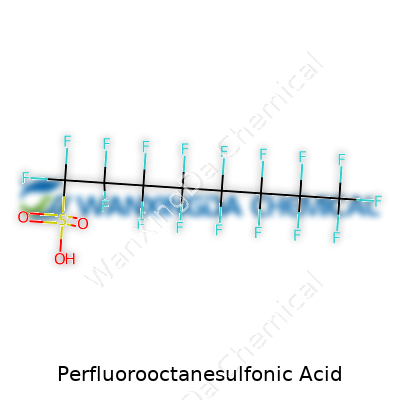
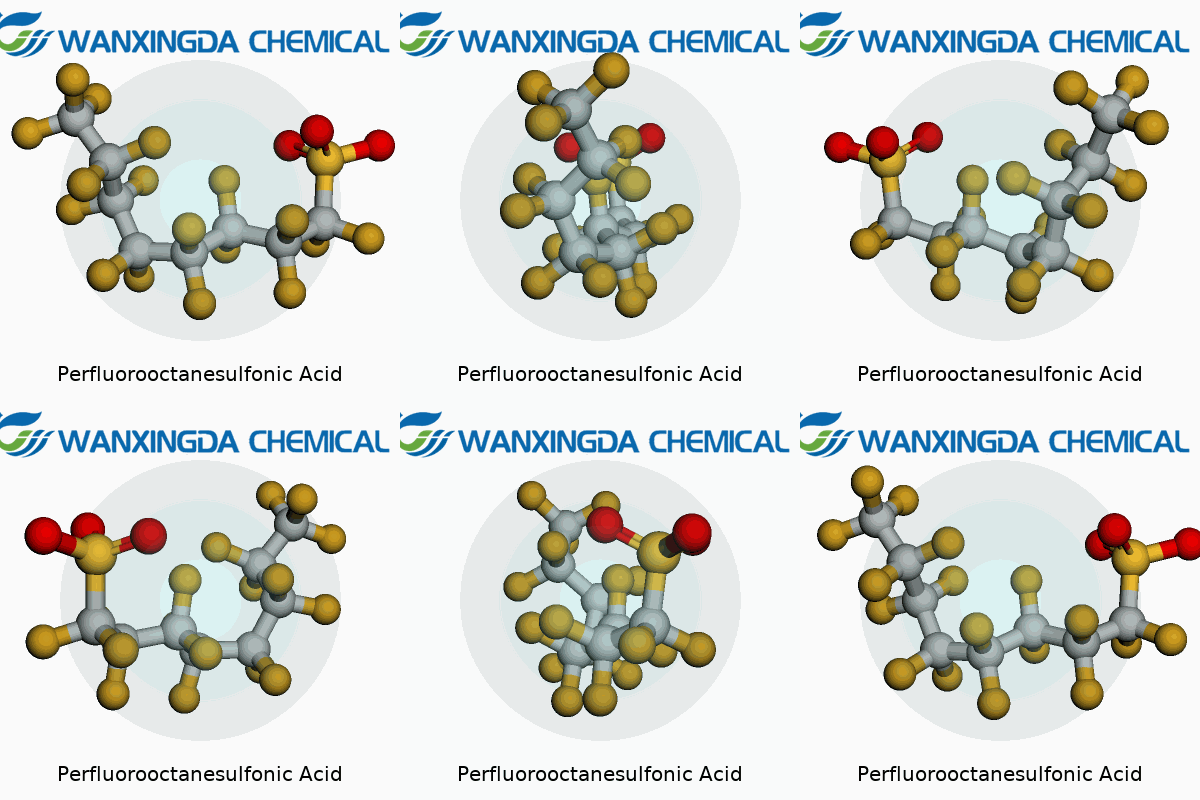
PFOS stands out in the lab. With its chain of eight carbon atoms, completely fluorinated, plus a sulfonic acid group, this molecule does not break down under most natural conditions. Colorless to slightly yellow, it resists heat, acids, bases, and most solvents. These features looked great to industrial engineers in the decades before looming environmental issues gained attention. PFOS made carpets hard to stain and protected textiles from everyday spills. Electroplating shops relied on its ability to reduce surface tension. In firefighting, certain foams containing PFOS proved effective against stubborn fuel fires, making them a staple near airports and chemical plants. Watching PFOS migrate through so many sectors shows how a single chemical can ripple across daily life and business.
Standards and Handling: Reading the Labels
Looking at labels for PFOS-based products reveals the shift in regulatory and scientific thinking over recent years. Once, technical specifications revolved around purity, acidity, and concentration ranges, aligning with what factories demanded and laboratories could measure. Safety standards have since grown stricter; authorities like the US EPA and the European Chemicals Agency have set tough limits on handling and emissions. Instructions now warn against traditional disposal and demand careful storage well away from water sources. Listing synonyms such as "perfluorooctane sulfonate" or trade names from old manufacturer brochures hints at the long and varied career of this chemical.
Manufacturing Methods and the Changing Landscape
PFOS production originally relied on electrochemical fluorination, which can replace nearly every hydrogen atom in an organic molecule with fluorine. This method allowed large-scale manufacturing that drove prices down and usage up, especially in economies chasing rapid expansion during the second half of the 1900s. The process left behind significant byproducts, and over time, these accumulated in factory neighborhoods and, eventually, worldwide. As governments restricted PFOS, chemical companies sought alternatives and clean-up programs took shape, though complete solutions remain elusive. Drawing on manufacturing experience highlights how reliance on a process can lead to sprawling legacies, both positive and negative.
Reactivity: Chemical Stability in Action
PFOS enters most chemical reactions only under extreme conditions. The carbon-fluorine bond is among the strongest in organic chemistry, so PFOS resists breakdown from sunlight, microbes, and most acids and bases. Standard laboratory modification protocols barely scratch the surface of this stubborn compound. On one hand, this stability delivered unmatched performance and reliability in engineered systems. On the other, persistence in the environment means that every kilogram produced can remain for generations. For anyone working in chemistry or environmental science, this dual nature serves as a constant reminder that designing for durability sometimes brings unintended results.
Health and Safety in Real-World Environments
PFOS rarely causes acute symptoms during handling at the scale seen in factories using traditional personal protective equipment. As research broadened in the last two decades, long-term toxicity emerged as a hidden threat. Animal studies show bioaccumulation, liver changes, disruptions to hormone systems, and immune effects even at relatively low concentrations. Community exposure near contaminated sites, particularly through drinking water, has linked PFOS to increased health risks including some cancers and developmental delays. This evidence changed how regulators set operational standards. Clean-up efforts now focus on removing PFOS at the parts-per-trillion level, which stretches existing water treatment technology. In practice, health and safety conversations about PFOS do not end with the fence line; policymakers and scientists must stay engaged as new concerns surface.
Pushing for Safer and Smarter Approaches
The PFOS legacy forced researchers and companies to rethink both design and end-of-life management for industrial chemicals. Some innovators have switched to alternative surfactants with shorter carbon chains or new functional groups that break down more easily, though none has matched all the desirable traits of PFOS. Ongoing research into chemical destruction now targets advanced oxidation, electrochemical treatment, and even genetically engineered microbes. Regulatory changes helped drive down PFOS usage and set reporting thresholds, though gaps remain where contaminated soil and groundwater keep leaking into food chains. Talking with engineers and environmental activists who track PFOS migration, it becomes clear that the journey from lab bench to real-world cleanup is a long, often frustrating one, but not without hope.
Looking Ahead: Learning from Experience
Despite years of regulation and public awareness campaigns, PFOS will not disappear from headlines soon. Its spread has made it a global pollution case study, prompting governments to list it as a persistent organic pollutant under international treaties. Future prospects depend on filling knowledge gaps in human health effects, inventing better detection tools, and deploying treatment at a meaningful scale. Big questions remain about how best to clean up past mistakes and prevent new ones. Turning away from simple chemical durability, researchers now test for “benign by design” in every new material. PFOS teaches both humility and resilience in scientific progress, urging everyone in the chain—from the lab to regulators to consumers—to weigh durability against responsibility. Each lesson adds weight to new rules and steers future innovation toward chemicals able to deliver benefits without leaving a costly legacy.
Why PFOS Keeps Showing Up in So Many Places
PFOS, or perfluorooctanesulfonic acid, pops up in places you don’t expect. My first brush with PFOS came from a talk with an old neighbor who worked in the cleaning business. He told stories about firefighting foams and stain-resistant carpets. Sitting in his kitchen over chipped mugs, I realized how far PFOS had spread, not just across products, but into the routines of people who barely know its name.
The Value in Everyday Products
In the past, PFOS was woven into many parts of life. Factories used it to make water- and oil-repellent coatings. Raincoats, upholstery, food wrappers, even that reliable pan you love for fried eggs—many contained a bit of PFOS. Firefighters, desperate for an edge against chemical fires, relied on foams made from this compound. It worked. Fires died down faster. Companies praised performance and durability.
PFOS also showed up in semiconductor manufacturing, metal plating, photographic films, hydraulic fluids in aviation, and cleaning agents. Much of this comes down to PFOS’s chemical structure. It resists breaking down, whether in high-heat or chemical-heavy environments. Technology kept pushing, and manufacturers followed, chasing profit and convenience.
The Shadows Cast by Persistent Chemicals
Now, with all this comfort and ease came a bigger bill than most of us realized. Over time, PFOS earned a notorious reputation for sticking around long after the fires died, the pans wore out, or the wrappers hit the landfill. Over the years, scientists began finding PFOS in blood, water, and soil across the world. Even folks who have no clue what PFOS stands for end up carrying traces in their bodies.
Research links PFOS exposure to health concerns, such as changes in cholesterol, immune system suppression, and in some cases, risk for certain cancers. In the Midwest, I met parents fighting for clean-ups near old firefighting training grounds. Many felt angry—these weren’t rare contaminants, but leftovers from everyday tools.
Regulation, Accountability, and a Path Forward
Regulators, especially in the United States and the European Union, have started phasing out PFOS for most applications. Many uses, including stain-resistant textiles, firefighting foams, and coatings, now drop PFOS for safer substitutes. This hasn’t been a smooth ride for everyone, especially in places where safer options cost more or don’t work as well yet.
Communities living near old factories still wait for real clean-up. One solution sits in transparency and honest communication—letting people know which products contain PFOS and how to avoid them. For cities and towns, investments in water treatment go much further than any single filter under a kitchen sink. Companies need to step up with research into new chemistries that serve the same industrial needs but break down once they reach the environment.
Changing Habits, Changing Chemistry
For years, PFOS might have seemed like a miracle ingredient. Today, its story reads differently. Without pressure from regular people and tough action from governments, old chemicals tend to hang around. The only way I see real change coming is if communities, businesses, and public health experts keep pushing, sharing stories, and seeking options that don’t leave a mark for generations. The next raincoat or frying pan doesn’t need to cost the earth its future for just a bit of short-term convenience.
Looking at the Risk Behind PFOS
PFOS, short for perfluorooctanesulfonic acid, has been used for decades in products that promise stain resistance, water repellence, and firefighting foam effectiveness. Many people never hear about it unless a news story pops up about water tested near a military base or an old factory site. I remember reading headlines about contaminated tap water in small-town America, and feeling uneasy wondering if my own community could face the same issues.
Human Health: Connections We Can't Ignore
Research shows PFOS clings to the environment and the human body. Blood tests often turn up tiny traces of the chemical in pretty much everyone tested, even those far from factories. Scientists have drawn links between PFOS exposure and several health problems: weakened immune systems, higher cholesterol, effects on liver function, and, in some studies, trouble with fertility and development in children. The U.S. Environmental Protection Agency and other health agencies classify PFOS as a likely human carcinogen, based on both animal studies and limited human evidence.
No one wants to hear about cancer risks or hormone disruption every time they grab a glass of water or eat fish from a nearby lake. Yet, that’s where we find ourselves. PFOS sticks around for years—sometimes decades—in soil, water, and living creatures. Some communities who fought to clean up water supplies, like those affected in West Virginia or Michigan, didn’t realize how widespread the risks were until people started getting sick, pets died, and fishing holes posted warnings.
The Environment: Not Just a “Personal Problem”
Wildlife absorbs PFOS, too. Studies point to contaminated rivers packed with PFOS. Fish, birds, and even polar bears end up with PFOS in their tissues, and these chemicals pile up and move up the food chain. Bald eagles in the Great Lakes region carry levels high enough to threaten their ability to hatch healthy chicks.
Rivers and lakes don’t shrug off PFOS, and neither do soil or groundwater. Contamination events travel. Rain moves PFOS-laden dust. Firefighting foam runoff soaks into the land and can end up in municipal water years down the road. Cleaning it out can cost millions, taking years. Large-scale remediation digs up soil, installs advanced filters in water plants, and sometimes throws entire local food chains out of whack during the cleanup process.
Solutions: No Easy Paths, but Clear Choices
Many countries banned PFOS in manufacturing, but the leftovers linger. Recycling old carpets or handling coated fabrics can still release PFOS. Water treatment technology like activated carbon and high-pressure membranes can pull the chemical from drinking water, but not every small town can afford these upgrades. I spoke with friends living near a contaminated site who found themselves paying for bottled water and expensive filters, since their local system couldn’t keep up with the problem.
The answer depends on shared responsibility. Manufacturers own a piece by phasing out PFOS and investing in safer alternatives. Regulators need to keep tough limits in place and enforce them with regular testing. Neighbors and watchdogs play a role by keeping attention on local water quality. All of these efforts need support, both financial and legislative, because no family should see their basic health at risk over a chemical that was meant to make life easier.
PFOS won’t disappear overnight, but ignoring the problem never helped a community heal. Paying attention, caring enough to demand solutions, and holding companies and lawmakers accountable means future generations stand a fighting chance at safe water, clean soil, and healthier lives.
What is PFOS and Why Should We Care?
A lot of talk about PFOS—perfluorooctane sulfonic acid—happens in labs or at government hearings. Away from those settings, this chemical shows up in things like firefighting foam, water-resistant coatings, and some older household products. In recent years, health experts have sounded alarms about PFOS sticking around in both the environment and the human body much longer than most other chemicals.
Some places have found PFOS leaks near airports, military sites, or factories. People who handle it in these places face risks the rest of us can barely imagine. Studies link PFOS exposure to immune issues, changes in cholesterol, and, in some cases, possible cancer risks. No one needs a complex equation to know their health comes before productivity.
Why Safety Precautions Matter
If you’re working with PFOS, gloves and goggles mean more than checking a box. The chemical can absorb through skin or get into the air on tiny particles. Handling tasks—whether measuring, spraying, or cleaning—need strict habits. A slip-up can lead to invisible, long-lasting contamination, both for individuals and everyone nearby.
In my own time visiting industrial sites, I saw how quick a seemingly harmless task can snowball. Someone forgets to switch gloves between duties. A spill doesn’t get cleaned. Small things pile up, and suddenly, the area becomes unsafe for everyone. Nothing causes more regret than ignoring safety basics because the job feels routine.
Gear and Habits That Protect Health
Simple gear makes a huge difference. Nitrile gloves, lab coats, splash-proof goggles, and, in dusty areas, respirators, all stand between a worker and exposure. Even with the right equipment, personal habits matter just as much. Wash hands before eating or using the restroom. Keep street clothes separate from anything worn in an area where PFOS is present. It’s easy to get lazy with these steps, and that’s exactly when trouble strikes.
Engineering controls—like fume hoods and tight containers—carry just as much weight as personal protection. A task done outside a vented area risks spreading PFOS dust farther. Good ventilation and well-sealed containers help keep the substance where it belongs.
Better Training and Systemic Action
People do their best when they understand the risks, not just the rules. I’ve met newer staff who admit they get only a handful of minutes on safety before jumping into their job. That’s a recipe for mistakes. Ongoing, honest training helps everyone recognize warning signs early and learn to fix problems before they grow.
Facilities with clear labeling, regular monitoring, and strong housekeeping tend to avoid accidents more often. Regular testing, like checking air and surfaces for PFOS levels, gives peace of mind and lets managers know if practices are working.
Looking Forward: Solutions for Safer Workplaces
Change can’t all fall on individual workers. Leadership has to make safety budgets a priority—better gear, more frequent monitoring, and updated training materials pay off in fewer health scares and less cleanup later. Some countries have already moved to restrict or phase out PFOS, and this effort brings hope for healthier communities and workers.
Keeping safety real and personal—grounded in facts, not just paperwork—cuts risk down to size. PFOS won’t disappear tomorrow, but taking smart, consistent precautions gives everyone a fighting chance for safer work and healthier lives.
Bringing Toxic Dilemma to the Forefront
PFOS, part of the larger PFAS family, crops up in firefighting foam, industrial cleaners, some textiles, and even food packaging. It outstays its welcome everywhere it goes. I remember the first time I read about PFOS in local water supplies—folks started worrying, and for good reason. PFOS barely breaks down. It slides through water treatment plants, leaches into soil, and sometimes ends up in the food we eat. This stuff earned the nickname “forever chemicals” for a reason.
Burying Doesn’t Fix Anything
Old habits die hard, but tossing PFOS waste in landfills causes bigger headaches later. Rain pulls those chemicals right through landfill liners, and then contaminated water ends up in the streams people play and fish in. Once PFOS finds a crack to wiggle through, it sticks around for generations. In places where PFOS waste went to regular landfills, groundwater readings shot up. That’s not a coincidence, and it’s not just a distant threat—it shows up right under our feet.
High-Heat Incineration: A Step, but Not Perfection
Cities tried to fix things with high-temperature burning. Turns out, PFOS needs the kind of heat power plants barely scrape together—over 1,000°C. Trouble is, some incinerators come up short, and incomplete burning spits out other toxic leftovers. I’ve seen stories of folks living near one such plant; nobody wants to breathe PFOS byproducts. Incineration works best as part of a bigger strategy, not the whole playbook.
Cutting Contamination at the Source
PFOS sticks around because we let it slip into products and industrial cycles. Cutting off the tap matters most. Denmark started leading the charge by banning PFOS in food packaging. Some firefighting outfits swapped their foams for safer versions. That switch didn’t fix existing messes, but it stopped future ones from getting worse. Less input equals less output—it’s not rocket science.
Destruction Technologies Offer Promise
Some researchers believe water treatment tech might trap PFOS on filters. The hard part comes in destroying the stuff afterward. A few labs came up with plasma destruction, using supercharged water and electricity to rip PFOS apart molecule by molecule. Others look to advanced chemical reduction, turning PFOS into less dangerous breakdown products. The world needs more support for these projects. Public funding pushes innovation a lot further than simply trusting industry to fix the mess.
Real Solutions Come from Open Eyes and Open Wallets
PFOS has no place seeping into rivers, fish, or families’ drinking water. Safe PFOS waste disposal won’t be cheap or easy. Communities need solid rules, gutsy investments, and a watchdog approach. If new destruction methods get the green light, scale them up fast and put old landfilling excuses away for good. Everyone deserves water they can trust.
Understanding Where PFOS Stands Today
PFOS—perfluorooctane sulfonate—feels like a chemical many people have never heard of, yet chances are high it lurks somewhere close by. It showed up for years in stain-resistant carpets, firefighting foams, some food packaging, ski wax, and even waterproof jackets. People liked the results: water beads up and rolls away, stains disappear with nothing more than a quick scrub. The problem lies with what scientists call "forever chemicals," a nickname that tells the whole story. PFOS sticks around a very long time, builds up in the bodies of animals and humans, and doesn’t break down in the environment.
Global Actions: Bans and Restrictions
Step into any conversation about PFOS in Europe or North America, and the rules pop up almost right away. The European Union once gave this chemical a long leash, but concern about health risks closed that gap. By 2008, the EU rolled out heavy restrictions on PFOS, making it illegal in most products, with only a handful of exceptions. Paint strippers, chrome plating, and older firefighting foams top the list. Switzerland and Norway decided to go even further, completely outlawing the use and manufacture of PFOS and related substances in most applications.
In the United States, the Environmental Protection Agency didn’t call for an all-out ban, but ramped up oversight and pressure. Several states—California, Michigan, New York—chose to set their own rules, banning products that use PFOS and requiring clean-up of contaminated water sources. Canada tightened rules too, essentially shutting the door to most PFOS products, and forcing industries to report and reduce emissions.
Why Does This Chemical Worry So Many?
Looking at animal studies, PFOS causes problems for the liver, disrupts hormones, and affects the immune system. Some studies suggest a link to cancer and developmental delays in children. The Centers for Disease Control and Prevention found traces of PFOS in almost every person tested, pointing to how exposed people have become. This widespread contamination comes mostly from household products and firefighting activities that let PFOS seep into drinking water sources.
Addressing those health dangers, the United Nations stepped in by listing PFOS under the Stockholm Convention on Persistent Organic Pollutants. Countries who sign this agreement commit to eliminating PFOS, unless they need it for particular uses that can’t switch to safer alternatives yet.
What Can Be Done Moving Forward?
Regulation gets the conversation started, but it’s just one piece of the puzzle. Cleaning up spills, switching to safer materials, and demanding transparency from manufacturers all matter too. Businesses can retire old stocks of PFOS foam or packaging and look for genuinely safe alternatives. Water utilities still face the challenge of removing these chemicals from drinking water, which can require new filters or treatment methods.
Consumer action makes a big difference. People who check labels, ask questions of companies, and support legislation push the conversation in the right direction. PFOS might have made life a little easier for people who wanted spill-proof furniture or faster grease release, but its lasting damage isn’t worth the convenience.