Phytosphingosine: More Than Just a Skincare Ingredient
The Journey: From Discovery to Mainstream
Phytosphingosine didn’t burst onto the scene overnight. Its roots run deep in the study of sphingolipids, those foundational lipid molecules found in every human skin cell wall. For years, researchers dived into the layers of our skin, looking for clues on repair, hydration, and defense against environmental threats. Somewhere along the way, focus settled on this particular molecule. Japanese and European labs took the lead in exploring how phytosphingosine interacted with human biology, realizing it played a direct role in strengthening the skin barrier and calming inflammatory responses. Learning that our bodies make it naturally pushed scientists to seek ways to harness it. That hands-on curiosity shifted phytosphingosine from an obscure biochemistry topic to a reliable workhorse ingredient in dermatology and cosmetics.
What is Phytosphingosine? A Down-to-Earth Look
Phytosphingosine itself is a type of sphingoid base, which in simple terms means it acts as a building block for ceramides in the skin. Ceramides are known for their crucial barrier functions—helping skin maintain moisture and ward off external bad actors like pollution and bacteria. People now see it in creams, lotions, and even shampoos. The product usually looks like a white, waxy, crystalline solid. Solubility leans toward alcohols and fats, not so much water. This makes it a favorite for lipid-rich formulas, especially when people want that velvety, non-greasy after-feel in personal care products.
Digging Into Its Chemistry
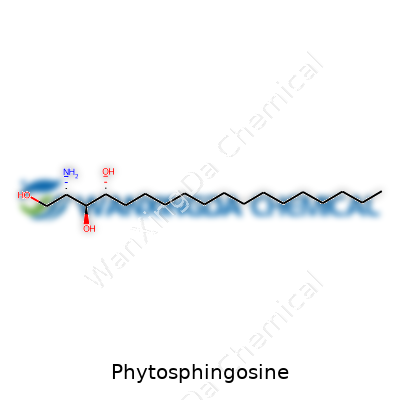
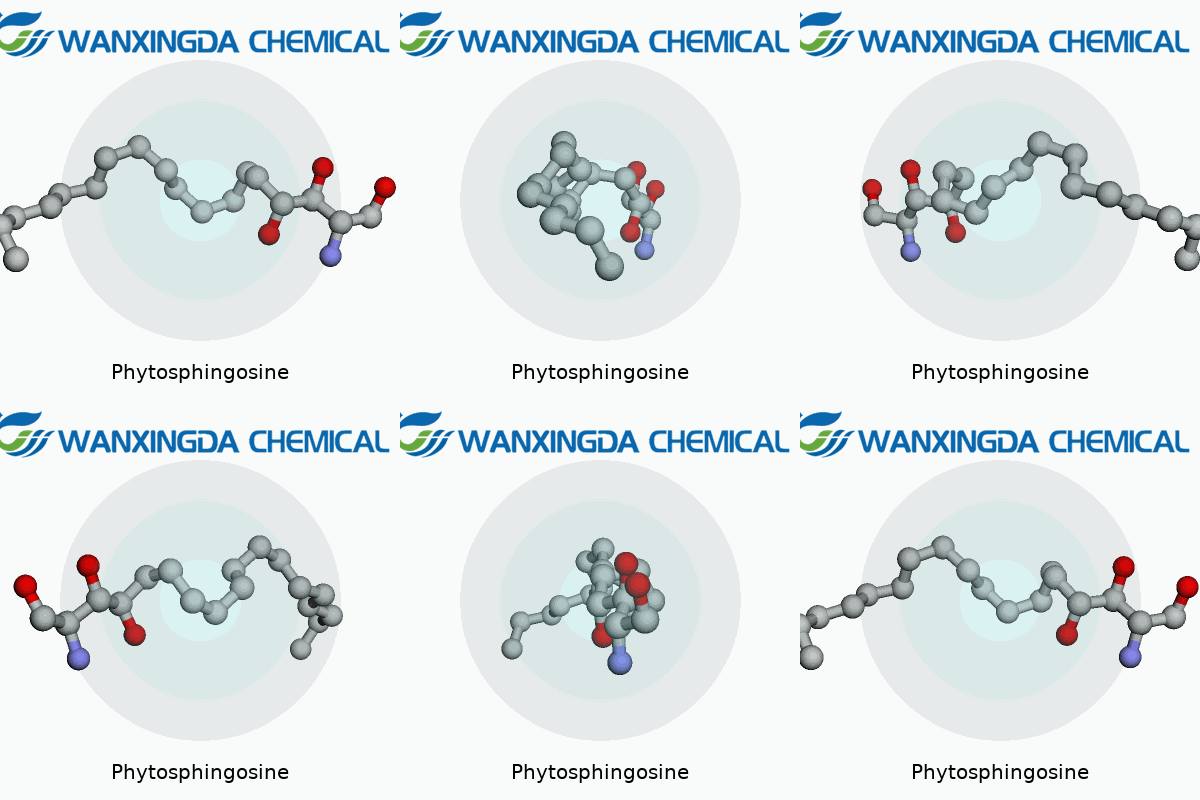
Chemically, phytosphingosine is 2-amino-1,3,4-octadecanetriol. It’s got a straight 18-carbon backbone, three alcohol groups, and an amine group. Those functional groups create opportunities for reaction, which matters both in making it and in tweaking its behavior for different uses. Its melting point sits solidly above room temperature, keeping it stable as a raw material. In its pure form, no scent or taste stands out, so it doesn’t mess with aromas or flavors in topical formulas. Regulatory bodies like the European Chemicals Agency hand out CAS number 554-62-1 for identification.
Technical Standards and Labeling
People buying phytosphingosine for use in consumer goods aren’t just looking for purity; they want to know levels of residual solvents, heavy metals, and microbial contamination. Purity usually hovers well above 98% in reputable sources. Labelling leans on INCI (International Nomenclature Cosmetic Ingredient) requirements, where the name “Phytosphingosine” keeps things clear. You won’t see a jumble of mysterious designations; international labeling practices have settled on a single name for market clarity. Quality standards from organizations like USP or the European Pharmacopoeia help keep consistency across batches, something many chemists and formulators appreciate when avoiding surprises in production.
How It’s Made: Methods With Roots in Nature
Early on, researchers extracted phytosphingosine from natural sources such as yeast, plants, or animal tissues. That old-fashioned route was slow and expensive, so over time, biotechnologists found ways to coax yeast and bacteria to create it for us. Fermentation dominates today’s commercial production. Specialized microbes convert natural fats into phytosphingosine in controlled, oxygen-rich tanks. The process usually goes from seed culture to a scaled fermentation, then extraction and purification—using distillation, crystallization, and filtration. Around this point, I remember touring a biotech facility. The sheer care that went into preventing cross-contamination, from airlocks to specialized cleaning schedules, showed how seriously safety and reliability get taken in this field. That’s no small feat when producing skin-friendly ingredients at industrial scales.
Playing With Chemistry: Chemical Reactions and Modifications
The chemical structure of phytosphingosine means it’s open to targeted modifications. Adding fatty acids to the amine or alcohol groups leads to ceramide synthesis—which is why phytosphingosine shows up as a key intermediate in the chemical industry. Researchers have tried making new derivatives that stick around longer on skin or deliver added antimicrobial power. Enzymatic modification, instead of traditional harsh chemical synthesis, now sees use to deliver gentler, more sustainable products. This fits the growing trend of making greener ingredients for clean beauty and pharmaceutical lines.
Alias Game: Other Names and Terms
You might run into synonyms such as “sphingosine-3-phytosphingosine” or “D-erythro-2-amino-1,3,4-octadecanetriol.” Sometimes companies pitch a product as “natural sphingolipid” or group it under broader sphingolipid complexes. Scientific articles and regulatory filings stick to the CAS number mentioned earlier, along with any region-specific chemical registry or trade names.
Handling the Material: Safety and Operations Matter
No one should cut corners with ingredient safety. The record for phytosphingosine lines up positively. Extensive reviews by regulatory panels, such as the Cosmetic Ingredient Review, see scant evidence of allergic reactions or toxicity at levels used in skincare. Standard precautions prevail: manufacturers avoid inhalation or direct, prolonged eye contact with raw material. Finished consumer goods with phytosphingosine sail through standard safety and irritation testing, including patch tests on volunteers with diverse skin backgrounds. In rare production environments, workers follow dust control measures and use gloves and glasses, like with any other fine powder. The drive for transparency and consumer trust keeps labs on their toes; nobody wants a recall or bad press.
Where Does It Matter? Application Across Industries
Skin care gets the lion’s share of attention. People with eczema, acne, or recurring skin irritation look to products boasting phytosphingosine for rapid, visible relief—thanks mainly to its anti-inflammatory and antimicrobial powers. Formerly prescription-only, this ingredient now pops up in over-the-counter creams and cleansers. Dermatologists sometimes recommend phytosphingosine-rich creams for sensitive skin patients wanting to rebuild their barrier after steroid treatments. Outside the skin world, it’s gaining ground in haircare, oral hygiene, and wound dressings. Pet care brands try it for itch-prone animals. Research also explores its value as a drug delivery helper by modifying the surface of nanoparticles to increase compatibility with body tissues.
Where Science Heads Next: R&D and Future Perspectives
Researchers view phytosphingosine as more than a moisturization booster. Recent studies suggest it tunes down overactive immune signals linked to rosacea and dermatitis. New R&D projects aim to uncover exactly how its antimicrobial action works. The push is on to clarify if phytosphingosine can battle drug-resistant bacteria without enabling resistance itself. Oncology teams see early hints that it might apply in cancer prevention, especially squamous cell carcinoma. Scientists tinker with custom derivatives, hoping for unique anti-aging, anti-redness, or pigmentation-stabilizing effects. The interest spills into sustainability, with biotech startups running trials on waste-reducing fermentation methods and energy use.
Toxicity Research: Keeping Things Safe
Data from animal and human studies mostly show phytosphingosine carries low systemic toxicity. It doesn’t easily cross the skin’s deeper layers, sticking to its role in the barrier zone. Long-term exposure tests, including those run by the European Food Safety Authority, support its status as a low-risk ingredient. Occasional reports flagging sensitivity usually involve people with rare sphingolipid disorders. The scientific consensus in countries where phytosphingosine rides at the front of cosmeceutical innovation is simple: safety is high, risk is low, and ongoing monitoring is just good practice. New testing methods now look at its byproducts after topical application, making sure nothing unseen creeps in.
Looking Ahead: Where Phytosphingosine Could Go
Skin health needs will always change. As more people seek natural, bio-identical molecules with scientific backing, phytosphingosine stands ready for new roles. Rising challenges with pollution, harsher climates, and new pathogens could bring fresh science, with phytosphingosine involved in stronger personal care, smart textiles, and advanced drug delivery tools. Improving sourcing and manufacturing should lower costs, letting more communities access high-value skin solutions. Universities and companies—the ones focused on transparent research—push ahead on patents and collaborative studies that promise new uses we haven’t even pictured yet. As someone who’s followed ingredient trends for decades, this molecule has the unusual power to stay relevant across cycles and to deliver on promises made in glossy ads. That rare mix of solid science and real-world benefit keeps phytosphingosine firmly in the spotlight.
What Exactly is Phytosphingosine?
Phytosphingosine isn’t some newly-spun buzzword out of the lab—it’s a naturally occurring lipid found in the upper layers of our skin. Plenty of folks don’t realize this stuff plays a serious role in keeping skin calm and strong. Before new serums and trendy acids filled my medicine cabinet, I spent years dealing with flare-ups and dryness, so “barrier repair” isn’t just a marketing phrase for me. The deeper I dug into ingredient lists, the more phytosphingosine kept popping up. There’s a reason clinical dermatology circles keep circling back to it.
Building Up the Barrier Most Forget
Healthy skin relies on a solid barrier. Think of it as a brick wall—ceramides, cholesterol, and fatty acids are the bricks and mortar. Phytosphingosine fits right in as one of those crucial messengers, helping to manage how ceramides—another key lipid—get made. When the barrier breaks down, all sorts of problems follow. Dryness ramps up. Redness creeps in. Sensitivity goes through the roof. I remember winter mornings where even tap water seemed like acid. Google Scholar doesn’t lie: studies show adding phytosphingosine can help restore ceramide levels in damaged skin and lower inflammation.
Taming Redness and Trouble
Phytosphingosine isn’t only about what you see on the surface. Most daily skin trouble—redness, acne, peeling—boils down to some kind of inflammation or bacterial mischief. Phytosphingosine has a knack for soothing irritated skin by helping control the signals that ramp up inflammation. It doesn’t just put a band-aid on it; it cuts down the root causes that fire up flare-ups. More than that, research has pointed out its ability to put the brakes on acne-causing bacteria like Propionibacterium acnes. This has real weight for teenagers, stressed-out adults, and anyone dealing with temperamental breakouts.
Staying Honest about the Science
Plenty of companies pump out big promises, but verified research means more than postcard claims. Peer-reviewed journals back up many of the skin-calming perks. One publication in the Journal of Dermatological Science looked at volunteers using phytosphingosine-containing creams and saw less redness and less moisture loss. That doesn’t equal miracle-cure status, but it sure proves phytosphingosine can make a difference, especially when paired with solid basics—gentle cleansing, regular sunscreen, and low-irritation habits.
Smarter Skin Choices Going Forward
Skincare isn’t just about bouncing between trends. Making smart choices means reading past fancy ads, looking at data, and understanding how ingredients like phytosphingosine really work. For people with sensitive skin, chronic dryness, or anyone tired of the cycle of quick fixes, phytosphingosine offers hope backed by science. Dermatologists often recommend rebuilding a weakened barrier layer. I’ve seen better days personally by focusing on ingredients with strong research, and friends dealing with eczema or redness benefit too. Building a routine with barrier helpers like phytosphingosine pays off over time.
Room for Change in the Way We Approach Skincare
Phytosphingosine deserves a real seat at the table with the big players like ceramides and niacinamide. More people learning its story will mean fewer stinging cheeks and more resilient faces. If skincare companies put research first and skip the hype, trust grows. In the end, paying attention to what strengthens the skin barrier—backed up by honest science—gives everyone better results and more comfortable skin.
Understanding Why Skin Gets Irritated
Many folks with sensitive skin know the struggle—redness after just one new cream, flaky patches that come and go, or a slight sting right after a shower. The skin’s outer layer can get thrown out of balance for all sorts of reasons: stress, harsh weather, fragrances, or the wrong kind of cleanser. Over the last few years, one ingredient has turned up in lots of gentle skincare products: phytosphingosine.
What Makes Phytosphingosine Interesting?
Phytosphingosine is a lipid. Your skin actually makes it on its own. Scientists call these fats part of the skin barrier, working like the mortar between bricks, keeping moisture in and bad stuff out. Beauty brands started adding lab-made phytosphingosine to creams and serums hoping to give a boost to this protective shield. For folks like me who deal with unpredictable flare-ups, anything that promises more balance can sound pretty appealing.
What the Research Says
Dermatology studies point out that people with dry or sensitive skin often have lower amounts of natural ceramides, and phytosphingosine acts as a building block for those. Products using it are supposed to bolster what skin already knows how to do. Research in peer-reviewed journals highlights its ability to calm redness and decrease visible irritation. One small study found that phytosphingosine cream helped reduce inflammation in people prone to eczema. Plus, it seems to help keep bad bacteria in check, breaking up biofilms and stopping some acne-causing strains from multiplying.
What Real-World Use Reveals
Reading ingredient lists, I noticed several brands using phytosphingosine in “soothing” moisturizers or barrier-repair serums. I have tried a few. My face didn’t turn red or sting, even during winter. It felt like a helpful seal without feeling greasy or heavy. Friends who get patchy flare-ups after sunscreen or face wash said they saw fewer breakouts and less visible dryness when phytosphingosine appeared in their routine. I asked a dermatologist about it. They agreed this lipid has a good safety history, especially when compared to fragrances, harsh acids, or preservatives, which sometimes trigger more trouble for sensitive types.
What to Watch Out For
Not every product with phytosphingosine feels the same. A cream packed with extra alcohol or strong essential oils can undo the benefits. Formula matters a lot. If you have multiple allergies, always patch test before slathering anything new. Not every skincare trend works for everyone. That’s one lesson I’ve learned the hard way.
What Would Make Incorporating New Ingredients Easier?
One fix: clearer labeling from companies, listing how much phytosphingosine they use, and cutting back on mystery blends. Dermatologists could continue to study how this ingredient holds up over months, not just a few weeks, and across all sorts of skin backgrounds. If more brands teamed up with allergy specialists, they might help pinpoint what triggers a reaction and what calms skin for those who struggle most.
The Big Picture
Phytosphingosine stands out for sensitive skin because it reinforces the body’s natural defenses and has strong backing in scientific circles. People want simple, reliable solutions. Watching irritation disappear without extra fuss or long downtime matters to many of us. The best path forward involves open information and honest testing so that sensitive skin gets a break instead of another red patch.
A Game-Changer for Overstressed Skin
Years of trial-and-error with skincare have taught me one key truth: a strong barrier makes healthy skin possible. I remember the days my cheeks would sting after every wash, and the search for answers kept leading me back to one word—ceramides. With each step into the science of skin, phytosphingosine surfaced as an ingredient that doesn’t get enough spotlight. Dermatology journals explain its natural presence in human skin, particularly within the lipid matrix of the outermost barrier. That places it at the front line of defense against harsh weather, pollution, and relentless exfoliation trends.
Why Phytosphingosine Stands Out
Most moisturizers promise hydration, but few support the processes that keep skin from drying out in the first place. Phytosphingosine, a sphingolipid, helps with formation of ceramides, which are crucial for moisture retention and protection. Research published by major dermatologists highlights phytosphingosine’s antimicrobial benefits, meaning it can help calm blemish-prone skin while boosting hydration. As someone with both eczema and adult acne scars, I saw real improvements in redness and recovery after incorporating phytosphingosine-rich products.
Finding the Right Place for It in Your Routine
Phytosphingosine typically appears in serums, creams, and lotions. No need to overcomplicate things. Start slow and pay attention to how your skin responds. After cleansing and using any water-based serums, layer a phytosphingosine product before sealing things in with moisturizer. This sequence allows the ingredient to work close to the skin’s surface, reinforcing natural barrier function. If you use actives like retinoids or acids, apply your phytosphingosine product afterward to help offset potential dryness or irritation. The logic comes from direct experience: actives can compromise the barrier, and bringing in supportive ingredients right after can tip the balance from sensitized to soothed.
Can Anyone Use It?
No need to worry about complicated skin types here. Phytosphingosine works across oily, dry, and sensitive complexions. Its gentle, non-comedogenic nature means even those with persistent acne breakouts or rosacea can benefit. Several clinical studies found improvement in skin texture and visual redness after several weeks of continuous use. I noticed scars faded faster and my skin bounced back from sun exposure and pollution much more quickly. Such results mean this ingredient suits more than just “problem” skin—it brings value to almost anyone’s routine.
Room for Growth in Education and Access
With all the talk around retinol or vitamin C, phytosphingosine barely makes headlines. Dermatologists and skin therapists can do more to educate the public about barrier care. Skincare brands have a role, too. Transparency about concentration, combination with ceramides, and production methods helps consumers make smart choices. It makes sense to expect ingredient lists showing real percentages, not marketing fluff. As more people search for practical, science-backed routines instead of quick fixes, demand for ingredients that work with skin’s biology will only grow.
Takeaway for Healthier Skin
I have seen firsthand that phytosphingosine can transform a compromised barrier from flaky and painful to smooth and resilient. Skin requires more than flashy promises—it needs support for its natural defenses. As conversations shift toward ingredients that actually contribute to long-term skin health, products featuring phytosphingosine deserve a spot on the shelf. For anyone tired of guessing games and irritated skin, this ingredient offers a smart, grounded approach based on what the skin requires to thrive.
A Closer Look at Phytosphingosine in Everyday Skin Care
Phytosphingosine pops up in quite a few skin care products these days, from fancy serums to the kind of lotions you grab at the drugstore. Since it’s a lipid found in human skin, it sounds like something your own body would welcome. The appeal is obvious to anyone with chronic dryness or those trying to keep breakouts in check. Brands say phytosphingosine helps skin stay hydrated and calm, but the question keeps coming up: could using products with this ingredient backfire?
It’s Not a Cure-All—And Side Effects Can Happen
Like a lot of people with sensitive skin, I’ve spent years trying different ingredients. Natural doesn’t always mean gentle, and even substances found naturally in our bodies can cause an issue if they’re out of balance. Research shows that phytosphingosine helps skin’s barrier function and may reduce inflammation. The vast majority of people tolerate it well, but stories from online forums and published case reports point out that a small slice of users feel stinging, redness, or swelling after applying products with this ingredient.
It’s rare, but allergic reactions do occur. The science behind this comes down to how each person’s immune system reacts. Skin acts as a gatekeeper, and something new—no matter how promising—sometimes triggers a response. In one controlled study, subjects showed no evidence of toxicity or classic allergic contact dermatitis when using creams with phytosphingosine for short periods. That doesn’t rule out reactions altogether. Other variables like other ingredients in a formula and existing skin conditions can tip the balance.
Looking at Allergies: Who’s at Risk?
Anyone who has had issues with skin care ingredients in the past—fragrances, preservatives, or even good old lanolin—should be cautious. Even though the odds of an allergy to phytosphingosine remain low according to dermatology literature, people with eczema, rosacea, or a history of contact dermatitis could become sensitized. Sometimes it’s tough to pinpoint whether phytosphingosine or another ingredient is the culprit since most creams blend multiple actives.
It’s not just about ingredients, but also how they’re delivered. Leave-on products tend to cause more reactions than rinse-off ones. People who test new products only on a small patch of skin first usually avoid full-blown allergic breakouts.
What Can Be Done?
Skincare shoppers shouldn’t rush to toss every product with phytosphingosine, but it makes sense to run a simple patch test—just dab a little on your forearm for several days in a row to watch for redness, itching or swelling. Those already under the care of a dermatologist for stubborn rashes should take new ingredients to their next visit for guidance. Clear labeling from brands helps people decide for themselves whether an ingredient feels safe based on their own history.
Doctors and researchers continue to watch for patterns, because allergies often show up long after an ingredient becomes popular. That’s one reason why large-scale safety studies help, but sharing stories in skin care communities and reporting reactions to regulatory bodies gives important clues that formal studies might not catch right away.
Final Word: Informed Choices Matter
No single ingredient guarantees perfect skin. Learning how phytosphingosine works, understanding who might react, and keeping communication open between consumers and doctors puts real power into people’s hands. I’ve found that successful skin care almost always comes down to finding what works with your own history—sometimes less really is more.
Skincare can feel like an endless carousel of hype ingredients and miracle promises. Many folks with acne spend years switching brands, crossing their fingers with each new bottle. Watching ingredient lists grow longer, I've noticed some names making a quiet splash among dermatologists and consumers alike. Phytosphingosine is one of those. It’s a natural lipid, meaning it’s actually found in human skin, and even more interesting—it plays a role in keeping our skin barrier strong.
Why Bother With Phytosphingosine?
People struggling with breakouts or irritable skin know how much the balance of oil, hydration, and bacteria can turn a day upside down. Acne isn’t just about teenage hormones; it can rear up after a bad reaction to a moisturizer, stress, or harsh weather. Phytosphingosine matters because science points to its impact on two big skin issues: calming inflammation and controlling bacteria linked with acne, such as Cutibacterium acnes.
In practice, researchers have observed that applying phytosphingosine reduces redness and swelling in test subjects with sensitive or acne-prone skin. It even seems to slow down the growth of unwanted bacteria. There’s something reassuring about using a compound that our bodies know already. Many popular treatments for breakouts, like benzoyl peroxide and retinoids, can sting or cause flaking. Phytosphingosine offers a gentler approach for those who can’t tolerate the usual suspects.
Beyond Acne: Support for the Skin Barrier
Modern living is rough on skin. Pollution, aggressive cleansers, and fluctuating weather take a toll on the natural barrier that keeps moisture in and germs out. Phytosphingosine steps in by helping skin maintain its healthy barrier, which keeps irritants at bay. When skin holds strong, it's less likely to erupt in breakouts, redness, or infections. This protective angle has drawn the attention of experts who recommend it for sensitive skin or conditions like eczema, where that outer layer fades.
Availability and Real-World Use
Anyone wandering down skincare aisles will find that more companies now put phytosphingosine into their formulas. You’ll see it mostly in high-end moisturizers, lotions, and spot treatments. The price tag sometimes stings, so folks on a budget may not see it as an everyday staple yet.
For those hunting for solutions after years trying everything, products with phytosphingosine have offered a path with fewer side effects. Dermatologists recommend watching out for simple, fragrance-free solutions and patch testing before committing. Real results may take a few weeks of consistent use—a tough pill for anyone hoping for an overnight fix, but patience has its perks in skincare.
Steps To Wiser Skincare Choices
Nobody wants empty promises or irritation. Listening to dermatologists, checking for robust peer-reviewed research, and remembering that what works for one person may not click for another gives consumers the biggest edge. Skincare should empower, not drain wallets or hope. If phytosphingosine offers a helping hand, it’s reason enough to welcome more research and honest conversations―not just slick marketing campaigns.