Potassium Benzoate: Looking Beyond the Preservative Label
History Leaves a Mark
Potassium benzoate tells a story that’s surprisingly long and winding. Long before the letters “E212” showed up on food packaging, folks were looking for ways to keep food safe, especially in times when there was no cold storage or fast shipping. Benzoic acid, the natural ancestor of potassium benzoate, has been on the radar since the 16th century, building momentum in the late 19th century as chemists searched for compounds that slowed spoilage. As more foods began traveling greater distances, the need for preservatives intensified. The salt form, potassium benzoate, joined the mix in the early 20th century, offering a way to tackle spoilage especially where sodium restrictions matter. Food science often seems obsessed with "new," but a closer look reveals demand for practical, functional compounds often stems from everyday needs, not high-concept discovery.
Peering Into a Fine White Powder
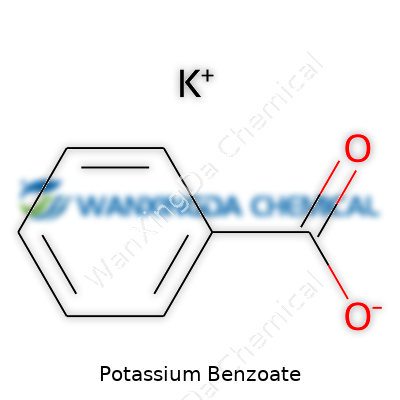
Potassium benzoate doesn’t beg for attention. It presents itself as a white, somewhat crystalline powder, pretty much flavorless to the tongue at the levels allowed in food. The important part happens on the shelf, not in the mouth. In practical use, this compound dissolves well in water, which is part of why it fits so easily into sodas and fruit juices. This water solubility stands out compared to benzoic acid’s limited ability to blend in. Its chemical formula—C7H5KO2—packs benzoate’s effective action together with potassium, allowing for applications where keeping sodium low is a concern.
Reading Between the Lines: Labeling and Specs
Regulators set boundaries for potassium benzoate. Only a set amount lands in foods, typically a fraction of a percent, making careful measurement and honest labeling important. The rules bounce between different countries, but in most places, people expect to see potassium benzoate clearly listed on ingredient panels, often by name or as E212. In the laboratory, purity matters, so specifications call for nearly pure material with only trace contamination. Folks working with the ingredient know the difference between technical grade and food-grade, since a slip at the source can carry safety consequences down the chain. Labeling may seem dry, but it’s the front line for consumer trust.
Cranking Up Production: How It’s Made
Manufacturing finds its starting point with benzoic acid, a simple aromatic acid that traces its roots to natural resins before humanity figured out how to make it in large batches. Benzoic acid reacts with potassium hydroxide, a basic compound used in everything from soap to biodiesel. The chemical marriage isn’t flashy—mixing acid and base to form potassium benzoate and water. The process gets fine-tuned to yield something pure enough for food, not just industry. There’s a rhythm to these production lines that’s lost on most who don’t spend time near a reactor or drying bed.
Why the Reaction Matters
With a structure that’s amenable to both acid and base, potassium benzoate doesn’t just lie around. Under the acidic conditions present in many foods, it converts to benzoic acid, the active form that halts the growth of molds, yeasts, and some bacteria. This dynamic transformation is the real workhorse behind preservation. Chemists have spent time exploring tweaks to the molecule, though changing much about it starts affecting either taste or functional safety. It stands as a rare case of chemistry doing just enough, not too much.
Many Names, Same Compound
Potassium benzoate rarely hides its identity, but it does carry a few aliases—potassium salt of benzoic acid, E212, or simply “preservative” in shorthand lists. Behind these names lies a clear chemical fingerprint. This isn’t the kind of compound that comes in hundreds of flavors or varieties. It has resisted the urge to become trendy, quietly sticking to its job even as food trends ebb and flow.
Tough Standards Keep Food Safe
Governing bodies, from the US Food and Drug Administration to European standards agencies, put potassium benzoate under the microscope. Standards don’t just focus on how much lands in food, but on how the compound is made, stored, and shipped. The idea is straightforward: keep production clean to prevent contamination, check for heavy metals, keep the percentage of benzoic acid consistent, and make sure the compound dissolves properly so that it doesn’t clump at the bottom of a beverage tank. For those working in processing plants or food factories, these standards add guardrails that protect both workers and eaters.
Where It Shows Up
Potassium benzoate stakes its claim in beverages, picking up where natural preservation fails. Soft drinks, sparkling sodas, and fruit juices lean on this preservative to keep yeast and mold at bay. Pickles, sauces, jams, certain condiments, and even some low-salt processed meats list potassium benzoate in the ingredients. The connection between this ingredient and low-sodium diets keeps growing, as many commercial kitchens look to cut sodium without giving up shelf life. There’s no glamour in being the “quiet fix,” but that’s exactly what potassium benzoate manages in modern food systems.
Science Keeps Digging
Research teams keep the spotlight fixed on potassium benzoate—not because anyone expects a surprise, but because food safety demands constant vigilance. Chemists monitor its stability in new types of beverages, looking at things like pH drift or ingredient interactions. Engineers want to know if production can get more energy efficient, or if side products can be captured and reused. Nutrition researchers track exposure, measuring how much benzoate people consume over time. The conversation around synthetic versus natural preservatives crops up in trade publications and consumer advocacy forums, with potassium benzoate serving as a touchstone for broader debates about the need for preservatives at all.
Toxicity Draws Careful Eyes
Talk about potassium benzoate and safety, and questions arise. Extensive animal studies and decades of review back its safety at approved levels, but scrutiny never stops. One ongoing thread involves potential reactions when potassium benzoate meets vitamin C in acidic beverages, which can yield benzene, a recognized carcinogen. The data show benzene forms only in trace amounts far below dangerous levels when drinks are formulated correctly, but oversight remains tight. Some advocates call for even lower limits, while others emphasize that alternative preservatives also carry risks and trade-offs. This is where experience from working in food safety matters—rarely does a single compound step in as a “best” solution, but rather, the industry adapts to what’s reliably safe and practical.
Tomorrow’s Outlook: Sticking or Shifting?
Potassium benzoate stands at the center of discussions about the future of food preservation. More consumers now expect to understand food labels and push for fewer “chemicals” in everyday choices. Food tech companies explore alternatives, like fermentative or plant-based preservatives that promise similar protection without synthetic fingerprints. Still, most of today’s food system runs on practicality: global supply chains, climate impact, and demands for long shelf life drive ingredient choices as much as consumer preference. Potassium benzoate’s modest cost, functional reliability, and clear record keep it firmly in rotation—for now. The real test will be how new preservation technologies measure up in taste trials, cost accounting, and food safety. With regulatory agencies and independent scientists continuing to evaluate risks and benefits, the story of potassium benzoate reminds us that every ingredient carries context, and experience shapes demand as much as innovation.
The Ubiquitous Preservative
Walk through any supermarket and pick up a bottle of soda, a jar of pickles, or a packet of salad dressing. There’s a good chance potassium benzoate sits quietly among the ingredients. This compound makes a regular appearance in processed food and drinks, and for a single reason: it keeps them from spoiling before they reach your kitchen. Having worked in restaurants and spent years reading food labels, I can tell you that this preservative shapes what we buy and how long we can keep it.
Preservation Over Waste
Potassium benzoate stops mold, yeast, and some bacteria from running wild. Food producers have always hunted for ways to stop food from turning before it sells. The longer shelf life goes, the less food gets thrown out. Considering food waste occupies around a third of the world’s landfill space, keeping products edible for longer feels like a win for both companies and the planet. The FDA gives its nod to potassium benzoate, allowing moderate amounts in food, which reflects years of review by scientists and watchdogs.
Soda and Sweet Drinks: A Case Study
Soda makers often choose potassium benzoate over sodium benzoate for one simple reason: potassium helps lower sodium content. This can look better for a company when customers check nutrition facts. Diet sodas and low-sugar drinks lean heavily on this additive. Growing up, my mother put every can of pop I drank under the microscope, flipping it over to read each ingredient. Potassium benzoate was always there, trying to balance keeping soda safe with keeping sodium off the chart.
Pickles, Sauces, and Beyond
Outside drinks, you’ll find potassium benzoate in pickles, jams, dressings, and even some pre-made salads. In my own kitchen, I reach for a pickle jar every few days, and each jar stays crisp and mold-free for months—thanks to this preservative. It does its main job best in acidic foods. That’s why it fits so well in vinegar-heavy pickles and tart salad sauces.
Health, Safety, and Choice
Controversy sometimes follows these additives. Internet chatter and a handful of studies keep parents and the health-conscious community up at night. Potassium benzoate on its own hasn’t shown strong links to major health problems, based on large-scale research so far. Problems show up only when it reacts with ascorbic acid, leading to benzene, a known carcinogen, but most drinks now avoid that mix or keep levels extremely low. Europe lowered acceptable limits for potassium benzoate in soft drinks after reviewing more recent research. And the modern push for "clean labels" shows that shoppers crave transparency. Families want fewer chemicals in their groceries.
The Road Ahead: More Choices and Open Information
Many companies now try preservatives from natural sources, like rosemary extract or vinegar blends. Costs run higher and shelf life may drop, but customers have more say over what their food contains. In my experience, asking for simpler ingredients nudges companies to listen. Potassium benzoate still plays a part, mostly because it works and it’s cheap. With clear labeling and more choices, shoppers have better power to pick what goes into their basket.
Eating What’s On the Label
Glancing at food labels always makes me realize how strange it feels to encounter ingredients I never use in my own kitchen. Potassium benzoate, often spotted on soda cans and packaged fruit juice, stands out as one of those unpronounceable additives. The word itself doesn’t inspire much appetite. Still, it pops up because it does an important job—keeping bacteria and mold out of products that spend weeks, or months, on supermarket shelves.
How Does It Work?
I’ve learned that potassium benzoate acts as a preservative. Chemically, it stops mold and a few bad bacteria strains from taking over. This helps prevent spoilage, making foods safer to eat and helping companies cut down on waste from products going off the rails too soon. The FDA, along with similar agencies in other countries, has cleared potassium benzoate for use within certain limits. Most products use it at a fraction of what’s allowed: usually less than 0.1% of the finished food.
Talking about Risks—What Scientists Say
A lot of talk about potassium benzoate sounds scary at first. Some research points out that, under the right conditions, it can react with ascorbic acid (vitamin C) to form small amounts of benzene. Benzene doesn’t have a good rep—it’s linked to certain cancers when inhaled or consumed at high levels. That news hit the soft drink industry hard several years ago. Still, testing across shelves in the U.S. and Europe found that even in the worst samples, benzene levels stayed far below the safety limits set by health authorities. Drinking a soda or juice with potassium benzoate today won’t come anywhere close to risky levels.
Safety studies from groups like the Joint FAO/WHO Expert Committee on Food Additives have found that potassium benzoate passes toxicology checks at the commonly used amounts. For most people, eating foods with this preservative isn’t likely to pose a threat. The American Heart Association notes that some artificial additives might cause mild reactions, but potassium benzoate does not top their list. Still, there’s always the allergy risk or a rare sensitivity, especially for folks who react to similar preservatives like sodium benzoate.
The Bigger Picture: Processed Foods and Health
From what I’ve seen, long ingredient lists rarely offer much nutrition beyond the basics. Potassium benzoate lets food companies keep products shelf-stable for months. That often means those foods come packed with sugar, colorants, and salt. While potassium benzoate itself seems safe, eating diets full of processed foods—not just preservatives—worries doctors far more than this single ingredient.
Pursuing Change in the Kitchen
Instead of chasing down every additive, I keep my shopping focused on whole foods that come with short, familiar ingredient lists. Not everyone has the time or money for that approach, but choosing less processed foods—even a few days each week—makes a bigger health impact than fixating on the safety of one preservative. Food technologists keep working on milder, natural preservatives, especially as people look for cleaner labels. Sometimes, just scanning labels for potassium benzoate reminds me to keep meals simple.
A Look at Potassium Benzoate in Everyday Life
Slide open the fridge and pull out a can of soda or a jar of pickles — that tongue-twisting name, potassium benzoate, often peeks out from the ingredients list. On paper, this preservative helps keep bacteria and molds away. Still, plenty of people wonder: what’s the catch? What does this stuff actually do once it lands in your favorite snacks?
Understanding Possible Side Effects
Looking around the lunch table, most folks munching on foods with this additive don’t notice any side effects. The same goes for me and everyone I've shared a pizza with. Potassium benzoate usually doesn’t stir up trouble in healthy people eating typical amounts. But that doesn’t mean it flies totally under the radar.
Some people notice mild allergic reactions, like itchy skin, especially if sensitive to preservatives. Sensitive groups, such as individuals with asthma, sometimes report wheezing or discomfort. Nothing drives it home more than hearing stories from folks who can’t shake off stomach cramps after certain fizzy drinks. Scientists point to these rare cases, but the link often feels murky — a couple of studies highlight the connection, but research remains slim.
Potential Health Concerns Worth Knowing
The real worry pops up in kitchens where soda and processed snacks rule the counter. Potassium benzoate, when combined with ascorbic acid or vitamin C, can form benzene — a compound people recognize as a carcinogen. The American Beverage Association and guidance from the FDA both acknowledge the risk, though most reports have found that regular foods and drinks keep benzene at levels far below danger. Still, history shows that a handful of sodas once had to tweak their recipes because tests picked up too much benzene.
This risk sits especially close for kids, who often snack on juice and flavored drinks, where both potassium benzoate and vitamin C pop up together. Governments have set strict limits in response, but busy shoppers sometimes find it hard to keep tabs on every label.
Keeping Perspective While Looking Ahead
Potassium benzoate keeps food shelf-stable, which makes a difference for families without easy access to fresh groceries every day. But the best way to deal with uncertainty is to eat a wide mix of foods and keep ultra-processed treats as occasional visitors. Most doctors and nutrition experts point out that the preservative works safely at approved doses, pointing to decades of use.
For anyone reacting badly to certain foods, keeping a simple food journal can help spot patterns. Parents might feel more at ease checking juice ingredients, especially if picky eaters run the house. That approach helps cut through nutrition trends and internet panic, steering decisions back to facts and experience.
The bigger story isn’t just about a single preservative — it circles back to how much we trust what’s in our snacks. With more researchers digging into food additives every year, more answers will eventually land on the supermarket shelves beside our favorite brands. Until then, keeping food choices balanced and informed matters more than memorizing obscure chemical names.
Understanding What’s on the Label
Flipping over any bottle of soda or shelf-stable sauce, potassium benzoate often pops up among the ingredients. The name sounds a bit like a science experiment, which gets folks wondering if it comes from a farm or a factory. Food ingredients spark a lot of questions, especially now that the idea of “natural” feels safer or healthier to many shoppers. Knowing what you’re eating and where it comes from builds trust in food choices, especially with talk of “over-processed” diets swirling around news and social media.
Where Potassium Benzoate Comes From
Potassium benzoate doesn’t grow on trees or sprout from the ground. The compound doesn’t have a single, raw natural source like salt or honey. It starts with benzoic acid—a substance you might find in tiny amounts in some fruits like cranberries and prunes. Most benzoic acid in the food supply, though, gets produced in labs by chemists. They use chemicals and processes to whip up benzoic acid in large enough quantities to supply food factories. By reacting this lab-made benzoic acid with potassium hydroxide, out comes potassium benzoate.
So, the answer is straight: potassium benzoate stems from natural origins if you trace its roots far enough, but what shows up in drinks and jams is made synthetically. No one is squeezing enough cranberries to meet the world’s demands for preservatives, and the scale would be unworkable for commercial food production using wild or farmed sources.
Why It Matters
That word “synthetic” always gets people’s attention. Natural foods, at least in perception, offer a kind of built-in peace of mind. In reality, safety and quality have less to do with a word on a label, and more to do with how much, how often, and who’s eating it. Potassium benzoate works as a preservative that fights off mold, yeast, and bacteria, keeping sodas fizzy and flavored waters shelf-stable. Without additives like this, store shelves would see a lot more spoiled food and waste.
Public nervousness kicks in when synthetic ingredients tie into bigger debates about food safety. Studies have shown potassium benzoate itself has a safe track record when used within approved limits. Still, questions come up regarding its interaction with other additives, especially ascorbic acid (vitamin C), where small amounts of benzene—a possible carcinogen—could form under certain conditions. Regulatory agencies like the US Food and Drug Administration and the European Food Safety Authority have set limits to make sure potassium benzoate remains safe at the levels found in food.
Transparency and the Road Ahead
More folks want real answers about what goes into processed foods. Honest labeling and public education make a difference. Instead of using blanket claims about “natural” or “synthetic,” companies should focus on clear ingredient lists and accessible explanations of why those choices matter. Benzoate preservatives help cut food waste, which keeps prices reasonable and supplies reliable, especially important where refrigeration isn’t easy. Still, food makers, scientists, and regulators must continue researching long-term impacts and make adjustments as they learn more.
Anyone stocking their pantry gets a choice, armed with facts: go for products without potassium benzoate, or accept that modern food distribution sometimes means lab-made preservatives in the mix. Either way, understanding what’s on the label, and why, means fewer worries and more confidence about what ends up on the table.
Looking Past the Fancy Packaging
Grocery store aisles tell a story that rarely gets much attention. Colorful bottles and cans promise flavor, fizz, and freshness, but tucked away in so many ingredient lists sits potassium benzoate. This stuff stops bacteria and mold from making a mess of our sodas, jams, and pickles. Folks who spend their days in food science labs know the preservative does its job well. Still, most shoppers never think about it—until news stories start whispering concerns about what regular use might really mean for our bodies.
Where You’ll Find Potassium Benzoate Most Often
I’ve ruined more grocery trips than I can count reading labels, hoping to sidestep anything that sounds like it belongs in a chemistry set. Yet potassium benzoate sneaks into plenty of foods. Soft drinks lead the pack. Flip around the can of some major-brand sodas, and the ingredient almost always pops up, helping keep everything shelf-stable even months past bottling. The next suspects are fruit juices that don’t need refrigeration, as potassium benzoate blocks spoilage there too. Even “healthy” fruit punches and iced teas aren’t safe bets if they come in unrefrigerated boxes or bottles.
Packaged desserts, such as some pre-made puddings and gelatin treats, often depend on potassium benzoate. Add jams, jellies, and certain pickles to the list, especially the ones sweetened for store-bought appeal. There’s also a surprising amount in some hot sauces and salad dressings, where manufacturers use it to keep flavor from changing or bacteria from growing. Any food that sits around in warehouses before landing on store shelves can attract this preservative.
Why It Matters for Health and Trust
Potassium benzoate usually sticks to accepted safety limits. Food safety authorities, including the FDA, set pretty clear boundaries for how much lands in a finished product. Even so, there’s a clear divide between following the law and taking a good look at what eating this stuff might mean over decades. Some people worry about a possible reaction between potassium benzoate and vitamin C, which may lead to the formation of benzene. Studies show actual risk stays low, but those numbers don’t help if you like having complete control over what’s in your diet.
Kids, pregnant women, and folks with certain genetic conditions might feel differently about risk. Food allergies and chemical sensitivities can turn innocent treats into health hazards. Trust comes from transparency. If companies use potassium benzoate, honesty on the label builds a bridge back to the people stocking their shelves.
What Can Make a Difference?
Reading labels sounds like a chore, but making a habit out of it gives you a little more power at the checkout. Sticking with fresh or refrigerated items often means fewer preservatives end up in your kitchen. Saucepan in hand, you can avoid store-bought dressings and make your own with olive oil, lemon, and spices. Homemade jams from seasonal fruit sidestep the whole issue entirely.
On a bigger scale, people join together to ask for better transparency about additives. Some stores now create “free from” sections for those looking to avoid certain ingredients. If the big brands see enough folks reaching for alternatives, business starts to change its recipe. That’s not wishful thinking; it’s happened before with things like artificial dyes and trans fats.
There’s plenty left to sort out about potassium benzoate. For now, the real win comes from paying attention, asking questions, and seeing your shopping cart as a quiet vote for what matters most in your food.