Squalane: Nature, Science, and Shifting Standards in the Cosmetic Spotlight
The Roots of Squalane: A Journey from Ocean to Laboratory
Squalane’s story didn’t start in a modern lab or in some gleaming manufacturing facility. Long before the skincare industry picked up on its magic, squalane’s cousin, squalene, made waves in the medical world. Early researchers pulled squalene straight from shark livers. The oil-rich organs gave up gallons of the stuff, and for a while, animal-derived squalene fed a hungry market. As folks started to worry about shark populations and animal welfare, companies and researchers looked at plants – olives first, then sugarcane. This shift not only showed a social conscience but also opened up better, more consistent sources. Squalane is just squalene after hydrogenation, but that little tweak gives it a longer shelf life, fewer impurities, and better stability. The science that got us here matters, because it marked a turn away from animal exploitation and toward renewable chemistry.
Squalane Up Close: What Sets It Apart
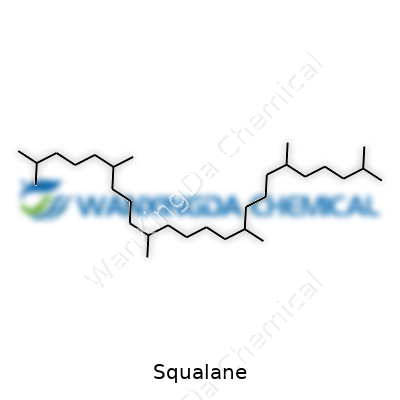
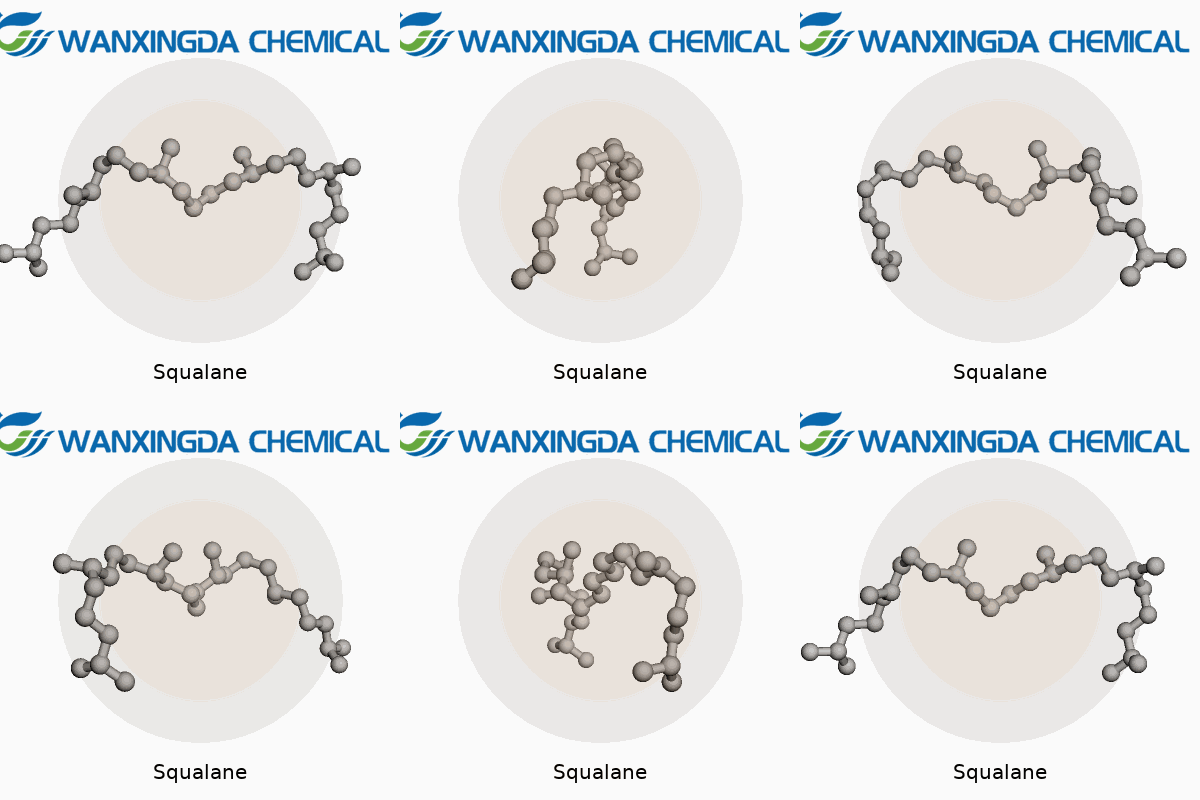
Holding a bottle of pure squalane, you see a clear, nearly odorless oil. Touch it and it spreads fast, not greasy, vanishes into skin in seconds. That disappearing-act quality makes it different from mineral oils and heavy plant oils. Squalane links back to the body’s own chemistry – human sebum carries squalene, so the hydrogenated version blends easily with skin. The molecule itself, C30H62, comes with 30 carbon atoms in a neat, saturated arrangement. No double bonds lurking to spoil early or oxidize under light. The squalane that arrives at your store shelf underwent industrial hydrogenation, usually under nickel catalysts and moderate pressure, which cuts the risks that pop up with natural squalene – namely, spoilage and irritation.
Reading the Label: What Counts and Why It Matters
Labels tell a story, if you know how to read between the lines. Look for “Squalane” or “Perhydrosqualene” among ingredients. Some products claim “vegetable squalane” from olives or amaranth, while others opt for sugarcane sources. There’s no oversight forcing companies to be specific, though top-tier brands push for traceability and plant-based claims. If you see certifications like ECOCERT or COSMOS, chances are the product leans sustainable – the type of thing modern consumers want, and that many regulators increasingly demand as greenwashing claims pile up. People with sensitive or acne-prone skin often hunt for smaller molecular weight emollients, and squalane fits, so its inclusion can sway a buyer’s trust.
Production Tactics: More Engine Room Than Garden Patch
Hydrogenation – that’s the backbone for modern squalane. Watching it happen looks nothing like the gentle, cold-pressure extraction of olive oil. You start with plant-derived squalene, itself tricky to pull out at scale. Sugarcane offers an almost industrially reliable source, with fermentation tanks producing farnesene followed by chemical tweaks to create squalene. Turn up the temperature, set the right pressure, roll in a nickel or palladium catalyst, and you see squalene saturated into squalane – every carbon-carbon double bond replaced by a hydrogen pair. Companies then work hard to scrub away metals and leftover reactants. The purity matters in cosmetics, where skin reactions kill reputations in a heartbeat. Manufacturers will often run fractional distillation and ultra-filtration steps to bring impurities down to near-zero – an invisible win for users who rely on real-world consistency.
Chemical Tweaks and Creative Chemistry
Most folks wouldn’t think a plodding hydrocarbon chain could spark innovation, but chemists find ways to push even squalane into new territory. Some labs experiment with partial oxidation, hoping to create specialty emulsifiers or tailor the oil to better mesh with actives like retinol. Others look at grafting small groups onto squalane, making it amphiphilic so it not only lubricates but also helps suspend other molecules. The core structure resists unwanted breakdown, so you end up with additives that keep formulas flexible, light, and less likely to spoil. It’s that balance between stubborn stability and a willingness to adapt that makes squalane a go-to starting point in cosmetic formulation spaces caught between regulatory compliance and consumer preference.
Safety, Standards, and the Real Risks
Cosmetic chemists crave safe ingredients, and squalane stacks up strong. Historical links to shark hunting set a bad precedent, but plant-based squalane avoids allergen risks that plague nuts and seeds. Large-scale toxicology reviews support its use, showing rare irritation or sensitization, even on compromised skin. Backed by tests in patch studies, squalane delivers on both low toxicity and high reliability, letting formulators drop in potent actives without smothering the epidermis. Manufacturing standards include ISO and GMP certifications, which aren’t just badge-wearing— they guarantee traceability and consistency from batch to batch. A higher safety bar means fewer recalls, less regulatory scrutiny, and greater trust once the product lands in a user’s bathroom cabinet.
Uses: Beyond Skin Deep
Most people spot squalane on a face cream label, but its resume stretches much wider. Dermatologists point to studies showing improved moisture retention without clogged pores, and patients with eczema and dermatitis turn to squalane as a gentler alternative to ceramides or heavier petrolatums. In makeup, it helps pigments glide and fade less. Hair treatments benefit too – squalane’s small size lets it slip through the hair cuticle, reducing frizz and protecting against heat damage. Some companies chase pharmaceutical uses: liposomal carriers for drugs, vaccine adjuvants, and even food-safe coatings. Its broad use comes down to something simple – people need reliable, stable, and harmless oils for both everyday products and specialty formulations, and squalane meets that need with less baggage than many legacy ingredients.
Latest Research: Pushing the Science in New Directions
Squalane’s jump from animal to plant and biotechnological production drove a new wave of research. Microbial fermentation now delivers high yields with better eco-credentials, and this trend will only speed up as synthetic biology matures. Recent research explores blending squalane with actives like niacinamide to increase absorption and penetration in topical formulations. Other studies look into nanoemulsion systems, which wrap squalane in micro-droplets to better deliver drugs or antioxidants through skin barriers. Researchers explored how oxidative stability compares with similar hydrocarbons, and the results pushed it into applications once reserved for less biocompatible materials. For consumer safety, long-term exposure trials continue to come up clear, suggesting squalane stands as one of the least reactive and most versatile emollients available.
Toxicity Science: Separating Fact from Fiction
With any ingredient, there’s always that lingering mistrust – especially among users who’ve had enough of wild claims and hidden preservatives. Squalane invites scrutiny, given its roots in animal extraction and its oily nature. Large panels of patch tests find almost no allergic responses, even for people with sensitive or compromised skin. The molecule’s chemical saturation means no reactive sites for environmental pollutants to latch onto, which lowers the odds of forming dangerous byproducts in finished goods. Studies in animals and human volunteers show excellent tolerance, little risk of accumulation in tissues, and no links with hormone disruption. Despite its ability to spread through cell membranes, squalane clears from the body quickly and doesn’t bioaccumulate, a stark contrast to many silicones and legacy hydrocarbons.
What the Future Might Hold for Squalane
Looking ahead, squalane is set to grow far beyond moisturizers and serums. Ultra-pure, plant-derived squalane, produced through microbial fermentation, looks to fill roles in luxury products and even medical devices, where stability and harmlessness count double. As formulators push for fewer, cleaner ingredients, squalane’s track record invites both tradition and innovation. The cosmetics market keeps booming, and squalane fits trends in vegan, cruelty-free, and “clean” labeling with lower carbon footprints than petroleum-based alternatives. Some researchers start designing whole delivery systems around squalane’s oil compatibility, from microcapsules for actives to hybrid gels blending the boundaries between skincare and health tech. Regulatory bodies may tighten sourcing standards, but squalane’s blend of predictability and biocompatibility gives it staying power in a space keen for real, science-backed bottom lines.
Straight Talk about Two Similar-Sounding Ingredients
Walk down any skin care aisle and you'll spot hydrating oils promising everything from silky softness to lasting moisture. Squalane pops up on ingredient lists for facial oils, cleansers, and creams, getting hyped for its ability to moisturize skin without clogging pores. It’s easy to confuse squalane with squalene—their names only differ by a single letter. Turns out, that single letter means a world of difference, not just for results but also for the planet and your own peace of mind.
The Origin Story: From Sharks to Sugarcane
In my early days trying out every facial oil I could get my hands on, I ran into both squalene and squalane. Squalene, which skin produces naturally as part of its own oil defense, used to come mostly from shark liver in the cosmetics industry. Reports estimate that harvesting squalene for beauty products led to the deaths of millions of deep-sea sharks every year. There’s no dressing that up. People who care about animals began demanding alternatives. Today, most reputable brands use squalene sourced from olives, wheat germ, or rice bran, but not all do. Squalane—a hydrogenated, more stable form—now mostly comes from sugarcane or olives.
Squalane’s Real-Life Benefits
A lot of friends have asked if squalane is just another marketing buzzword. From long-term use and talking to dermatologists, I’ve learned it actually mimics the skin’s own oils almost perfectly. Squalane absorbs fast, leaving skin supple without residue. Anyone who’s ever ended up shiny after moisturizing—or broken out beneath a layer of “hydration”—can appreciate that. On dry patches during winter or after retinol treatments, squalane brings noticeable relief without making skin heavy or sticky.
It’s not just good for faces. I’ve rubbed a few drops onto split ends and noticed less frizz. Squalane also lasts longer on the shelf than squalene. The hydrogenation process keeps it from turning rancid. This produces less waste from expired bottles and saves shoppers money. No one wants to toss out a $40 serum every few months.
Squalene: Great for Sharks, Less So for Your Bathroom Shelf
Squalene plays its part in nature. Human skin will always make some as a defense against dehydration. Squalene molecules, though, break down quickly when exposed to air or light. Apply pure squalene, and it oxidizes, sometimes clogging pores and making skin feel greasy. This makes it tricky for most people to use outside of a lab setting. For those reasons, cosmetic chemists moved to squalane: it’s just as moisturizing, but it doesn’t spoil easily, and it rarely irritates even touchy skin.
Choosing the Right One for Your Skin and the Earth
Looking at the ingredient label tells you more than any marketing claim. If a brand won’t say where its squalane or squalene comes from, that’s a red flag. Demand for ethical, plant-based squalane keeps growing, which protects shark populations and avoids environmental backlash. Choosing a product with sugarcane- or olive-based squalane means fewer worries for anyone trying to live more sustainably.
Squalane offers real benefits for people looking for moisture without mess, backed by evidence and evolving standards around honest sourcing. Its gentle touch isn’t just hype. Skincare users can have confidence they’re using something both body- and earth-friendly—if they’re willing to check the fine print.
Skin Care’s Unlikely Hero
Plenty of talk in skin care circles swirls around squalane, a lightweight oil that seems to spark curiosity—especially for those tired of heavy, greasy moisturizers. Many hear “oil” and worry it spells doom for breakout-prone faces or triggers disaster for sensitive skin. It’s only fair to look closer and see whether there’s room for squalane on every bathroom shelf.
What Squalane Brings to the Table
Squalane’s rise in the beauty world gets tied up with its source and what it leaves behind. Originally, squalene—a similar cousin—came from shark liver, but now the bulk comes from olives or sugarcane and gets converted into squalane. That matters because it results in a stable, less reactive ingredient for skin care, not a smelly oil that spoils by sunrise.
Unlike heavier oils that sit on top of the skin, squalane sinks in and works well with the body’s natural oils. It feels more like what skin produces on its own, so there’s less friction with all those complicated processes going on beneath the surface. My own experience testing plenty of oils—argan, rosehip, coconut—showed that squalane stands out by never leaving a thick film, even in humid weather.
Is It Safe for Oily Skin?
A lot of folks with oily skin have been told to run the other way from moisturizers, let alone oils. The reality is drying routines can push oiliness into overdrive. Here, squalane doesn’t clog pores because it ranks low on the comedogenic scale. Research and dermatologist reports support this; squalane keeps water in the skin, yet barely weighs anything down. Dermatologists from the American Academy of Dermatology have noted that squalane often suits acne-prone types by hydrating without sparking breakouts.
The idea of “oil for oily skin” isn’t as wild as it sounds. Balancing moisture can actually slow down that slick, midday shine. My personal try-outs during sweaty summer months proved squalane worked as a quick layer before sunscreen, helping my skin stay calm without looking greasy or feeling sticky.
Sensitive Skin Usually Gets Along with Squalane
For people whose skin acts up at the hint of fragrance or preservatives, squalane often raises fewer red flags. Its structure is simple—no common irritants, nothing fancy. That simplicity makes it less likely to cause redness or itchiness. In clinical testing, squalane rarely kicks off allergic reactions, and consumer panels usually report comfort after using it for days or weeks.
Sensitive types might still want to check a short ingredient list, since not all squalane products skip additives. Pure squalane by itself rarely throws skin into a fit. I remember a bad bout with facial redness from another product, but switching to squalane brought steady, low-key moisture with none of the drama.
Solutions and Smart Use
No single product can solve every person’s problems, but squalane provides a solid foundation for both oily and sensitive skin. It slips into routines easily—at night or in the morning—layering under makeup or sunscreen. The key is to go for straightforward formulas and skip blends with unnecessary extras. Listening to your own skin helps; sometimes less really adds up to more.
Balanced hydration ends up helping most skin types, including those battling shine or sensitivity. Squalane deserves its current spotlight, supporting skin without tipping it into trouble.
Why Squalane Deserves a Spot in Daily Routines
Anyone who’s ever stared at their bathroom shelf knows that skincare can get overwhelming fast. Some claim you need a ten-step process; some go with water and soap. I’ve watched the hype come and go, but squalane has stuck around for good reason. Unlike complicated ingredients with mysterious names, this one draws from science and the way skin actually works.
Squalane isn’t just a trend. Skin makes its own version of squalene, which helps keep things soft and balanced. As people age, that natural reservoir dips. Weather, pollution, over-cleansing—all these chip away at moisture. Squalane steps in as a kind of replacement part, keeping everything flexible without clogging up pores. I started using it after reading how dermatologists recommend it for sensitive types and those with acne. The immediate change wasn’t magic, but skin felt relaxed and looked less angry after a week or so.
How Squalane Fits Into Order and Layering
People love steps in their skincare, but things don’t have to get fancy. I wash my face, let it dry, and then reach for squalane. It goes on after serums but before heavy creams. The texture feels almost weightless—just a few drops spread out and soak right in. Cleansing strips away oils, so it makes sense to put squalane on clean skin. It helps lock in anything applied underneath and leaves skin feeling soft but not greasy.
Many online guides push it as the last step before sunscreen in the morning, or sandwiched between serums and moisturizer at night. The basic trick: thin layers first, heavier stuff last. Squalane’s flexibility means it can mix with almost anything already in the cabinet. In winter, I blend a drop into foundation or moisturizer for supple skin all day, which makes flaky patches a thing of the past.
Who Gets the Most from Squalane?
I’ve had oily patches and dry spots, but friends with other skin types don’t shy away from squalane either. Studies back up that it won’t clog pores or cause breakouts, making it friendly for acne-prone skin. People with eczema or irritation often mention how it soothes, not stings. Squalane gives the barrier support many dermatologists talk about—hydrating without trapping sweat or bacteria.
Honestly, everyone wants skin that looks comfortable and healthy, not stressed or greasy. That’s why squalane, made from sugarcane or olives these days, dodges common allergens and synthetic fillers that cause rashes in some people. Parents use it for their kids, and I’ve seen plenty of men use it as an aftershave or beard oil substitute.
Can Squalane Fix Everything?
Squalane isn’t a cure for every skin problem, but it plays a smart supporting role. For those with serious conditions like eczema, psoriasis, or severe acne, it helps alongside prescriptions rather than in place of them. Everyone could benefit from a candid talk with a dermatologist before overhauling a routine.
Transparency and good science lead the way. Look for brands sourcing squalane from safe, non-animal sources. Trust skin’s feedback over social media trends—if redness or breakouts happen, let the skin rest and reset. Skincare doesn’t need to get more complicated—sometimes adding just one honest thing can make all the difference.
The Reason Squalane Grabs Attention in Skincare
People with oily or acne-prone faces know the frustration of hunting for skincare that helps without leaving a greasy film or sparking breakouts. Squalane has grabbed attention among dermatologists and TikTok influencers alike. This lightweight oil seems almost too good to be true — non-comedogenic, fast-absorbing, and derived naturally. Years ago, even I scoffed at the idea that putting oil on oily skin could help anything but my frustration. But science and lots of firsthand experience show a different story.
The Science Behind Squalane’s Buzz
Squalane differs from the skin’s natural squalene by being stable and non-oxidizing, meaning it won’t clog pores or turn rancid. Our skin makes squalene as a moisturizer, but the version found in skincare is hydrogenated to form squalane — it plays nicely with the skin barrier. Research published by the Journal of Cosmetic Dermatology points out how squalane mimics skin’s own oils, which helps reduce overproduction of sebum, the biggest culprit behind shine and clogged pores.
Those with acne tend to believe anything remotely oily will cause breakouts. The irony is, chronic oil stripping can push the face to crank out even more sebum. By restoring balance, squalane signals the skin to chill out. In my experience and that of others who shared their journeys online, lightweight hydrating oils shift skin from being slip-and-slide shiny to something closer to healthy, controlled moisture.
Squalane in My Own Routine
My doubter phase vanished once I tried squalane myself. I swapped my harsh, alcohol-heavy toner for a couple drops of squalane after cleansing at night. By morning, my skin felt softer and not overloaded. Within several weeks the combination of less redness and fewer breakouts surprised me. Some dermatologists I consulted explained squalane's role in rebuilding the outer layer of skin, which gets damaged by acne treatments, harsh weather, and even stress.
Squalane doesn’t feel like typical oils. There’s no tackiness, no film sitting on top of the skin. This light texture means those with oily complexions can moisturize without worrying about extra shine. The National Center for Biotechnology Information highlights studies showing squalane actually assists wound healing. Acne-prone skin, often pocked with healing blemishes, may benefit from this — not just feeling softer, but making progress each night.
Combining Squalane With Other Treatments
Nobody solves stubborn acne with one ingredient. I found squalane fits better with other treatments, like retinol or salicylic acid, than heavier moisturizers or even gels. It acts almost like a buffer, letting me keep using stronger products without the peeling or irritation I once fought all winter long. Dermatologists often suggest layering it after water-based serums and before sunscreen. Real-world routines matter more than lab results alone, and squalane fits into most without a fuss.
Thinking About Value and Safety
Drugstore and luxury brands both sell squalane. Most of it comes from plant sources like sugarcane, an improvement over the shark-liver version once common. I stick to plant-based for ethical and sustainability reasons. Reading ingredient lists carefully is key. Pure squalane works for me, but sometimes companies add extras that might not fit sensitive or acne-prone skin.
Squalane impresses because it aligns with what healthy skin asks for: balanced moisture, barrier repair, and a light touch that respects the natural order of things. What started out as a strange recommendation has become something I reach for daily, especially during high-stress or skin-aggravating weeks. Skincare delivers results for those who listen to their own skin’s feedback. In that respect, squalane remains a reliable player in my lineup.
The Real Story on Squalane Side Effects
Squalane is popping up everywhere in the skincare world. From face serums to body oils, this ingredient promises lightweight moisture and a smooth finish. With its origin in shark liver oil or, nowadays more often, olives and sugarcane, many brands present squalane like it’s the answer to dryness without the heaviness. Walking into a drugstore, it stands among buzzy ingredients like hyaluronic acid and niacinamide. But does it really walk the talk when we look closer at skin reactions and safety?
An Ingredient Most People Tolerate
Years ago, my skin couldn’t handle half the creams out there. Everything left me blotchy or tight. Then a dermatologist suggested I patch-test squalane. Pure, plant-based squalane felt different—no stinging, no greasy residue, just soft skin. Turns out, most users share the same luck. Dermatologists know squalane closely mimics our skin’s own oils, which means folks rarely report irritation or redness.
Research backs up personal experience here. According to published literature, squalane rarely causes allergic reactions, and it has a low comedogenic rating. That means people with sensitive or acne-prone skin have a good shot at loving it. Major global safety assessments put squalane on the “generally recognized as safe” list for topical use. Since squalane is so stable, it doesn’t oxidize quickly, so the odds of it turning into a skin irritant are lower compared to less stable oils.
Look Out for Sneaky Sensitivities
Allergic reactions to pure squalane remain rare. But it’s easy to forget most bottles come as part of a blend. Sometimes, skin protests because of other additives, not squalane itself. People with eczema, rosacea, or allergies might get unlucky if another hidden ingredient causes a flare. It pays to skim the whole ingredient list or stick to bottles labeled as “pure squalane”—especially for those with testy skin.
For me, scanning ingredient lists before buying cosmetics became second nature. A few years back, I watched a friend break out in hives after using a so-called “natural” oil blend. It turned out the squalane wasn’t the problem—it was fragrance mixed in. Lesson learned: simple is often better, especially for sensitive types.
The Sustainability Angle
The only shadow hanging over squalane originally came from how it was sourced. Harvesting shark liver for beauty care raised fairness and conservation questions. These days, major producers rely on olives and sugarcane, which took away much of the ethical concern. It’s important to keep checking labels and buying from transparent brands to avoid anything sourced in unsustainable ways.
How to Sidestep Skin Issues
Before smothering your face in any new product, a simple patch test saves a lot of grief. Dab a small amount behind your ear or on your wrist and wait to see how your skin reacts. That same method caught an issue for me once. Even well-tolerated ingredients like squalane can surprise someone if used near existing skin conditions or broken skin.
If someone’s worried about reactions or already deals with frustrating skin problems, a quick chat with a board-certified dermatologist always helps. With all the choices lining store shelves, it’s smart to rely on experts, real science, and your own skin's feedback, instead of only trend-driven solutions.