Squalene: A Story of Science, Practicality, and Opportunity
Historical Brushstrokes of Squalene
Few molecules have such a colorful past as squalene. Folks first found it in the livers of deep-sea sharks back in the early 1900s. At that time, science relied much more on direct extraction than synthesis. Pharmacies in Japan used shark liver oil for a range of home remedies and healing balms, with users swearing by its ability to fight fatigue, wounds, and even breathing troubles. Over time, researchers noticed squalene isn’t restricted to animal sources—it shows up in olives, amaranth seeds, and other plant oils too. As environmental concerns grew, people put more effort into finding plant origins, cutting reliance on shark populations. That shift tells an important story: practical science doesn’t just shape industry, it reflects society’s changing values, concerns about animal welfare, and awareness of environmental costs.
The Nature of Squalene: More Than Just Oil
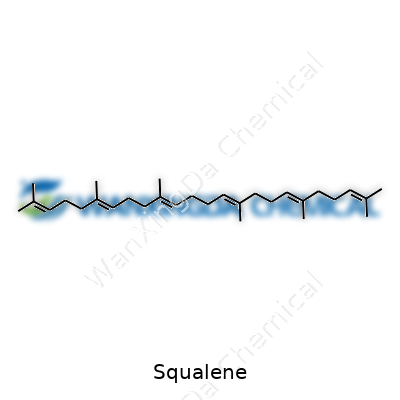
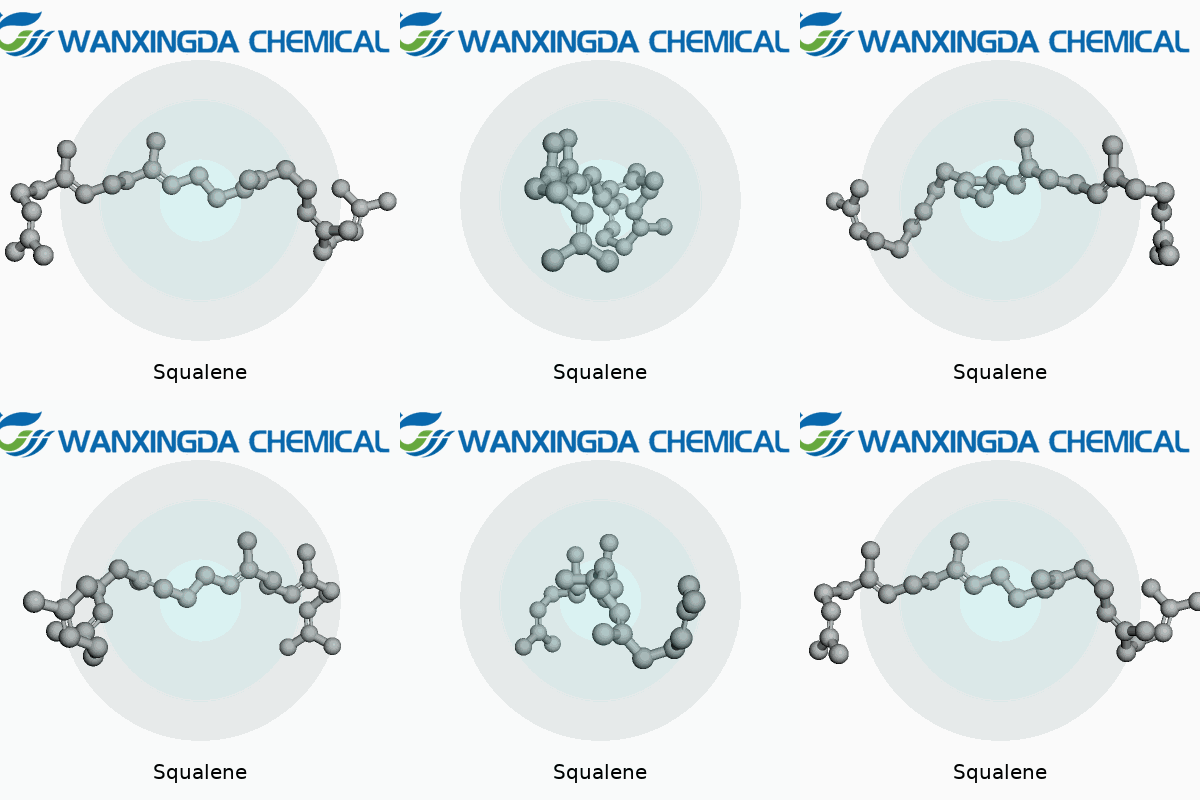
To the naked eye, squalene looks like a simple, colorless oil, almost odorless, and it slips easily between your fingers. But this hydrocarbon—C30H50—hides valuable chemistry. It’s a triterpene compound, serving as a key intermediate in the biosynthesis of cholesterol and other sterols in animals and plants. It melts at minus seven degrees Celsius and boils at roughly 285 degrees Celsius, but practical use usually focuses on its liquid form at room temperature. Squalene dissolves in fat-like substances, not water, giving it flexibility in applications from skincare creams to engine lubricants. It resists going rancid thanks to its chemical structure, yet it reacts with oxygen, making oxidation something processors always have to monitor during storage.
Walking Through Specifications and Labeling
When you go to buy squalene for research or cosmetic production, labels matter a lot. Consumers check the source, usually hoping for “plant derived” or “olive-based,” instead of anything that hints at overfishing. Technical specs such as purity tend to run above 97 percent for food and cosmetic uses, while lower-grade squalene might show up in industrial lubricants or chemical intermediates. Impurities like squalane (its saturated cousin), peroxides, and other residuals get measured and listed. Regulations, especially in the US, European Union, and Japan, drive labeling standards to guard against misleading claims, allergic reactions, or chemically unstable batches. That patchwork of standards challenges smaller producers, but it gives buyers clearer choices and keeps product stories honest.
Preparation and Sourcing: Science Grinds on
Traditionalists go back to the shark liver method, which yields up to 80 percent squalene in some deep-sea fish. For modern companies focusing on sustainability, cold-press or solvent-based extraction from olives, rice bran, or amaranth seeds has become the norm. Enzyme technology and supercritical CO2 extraction are buzzwords for green chemists since they use fewer chemicals and leave fewer residues. No matter the method, separating and purifying the squalene without destroying its delicate structure calls for plenty of skill and the right equipment, especially since heat and strong acids can trigger unwanted chemical changes. The whole supply train, from farm to lab, faces pressure to document its carbon impact and traceability.
Chemical Reactions and What They Tell Us
Squalene’s structure brims with unsaturated double bonds, attracting anyone who wants to modify or upgrade the molecule. Hydrogenation, the most common reaction, turns squalene into squalane—a close relative that trades off some of the antioxidant capabilities for greater shelf stability. Manufacturers coax squalene into a range of derivatives for specific skincare products (think vitamin-like boosters or moisturizers with slow-release effects). Oxidation is a double-edged sword; on one hand, small amounts of oxidized squalene might enhance certain anti-aging effects, but too much spoils its desirable qualities and leads to breakdown products with off smells. Such changes remind users of the fine line between a smart chemical trick and unwanted degradation.
Calling Squalene By Other Names
Spend time in different labs or industries, and you’ll hear squalene called by names like spinacene, supraene, and sometimes “shark liver oil” in older literature. It pops up in ingredient lists as EINECS 208-516-2 or CAS 111-02-4. In the skincare aisle, it might show up as “plant squalene,” but the base chemistry remains the same wherever it starts—just separated out and refined by different hands for different purposes. Renaming often comes down to marketing strategies as much as science, a situation that leaves responsibility on the producer to communicate sourcing and composition honestly.
Safe Handling Roots in Real-World Experience
Squalene’s long association with food and cosmetics points to a solid safety record. Topical uses rarely cause trouble unless someone has a very specific allergy to source impurities. In labs, workers wear gloves and goggles not because squalene is highly toxic, but because best practice expects safeguards with all organic extracts. Large-scale handling introduces slip hazards since pure squalene spills can be pretty slick, so factory floors sometimes use special mats and drainage. Most regulations group squalene as safe for its main uses, but every trade has seen an accident or two rooted in lapses of basic care—like letting oil-soaked towels pile up, which could mean fire risk if not handled properly.
Where You Find Squalene at Work
The most talked-about field these days is cosmetics, from luxury night creams to sunscreen boosters, thanks to squalene’s capacity to soften skin and carry fat-soluble ingredients. Vaccine science gives squalene even larger importance. As part of adjuvant formulas, squalene can trigger a stronger immune response—one that lets vaccine makers cut down on the amount of antigen needed. The World Health Organization recognized this role during flu vaccine rollouts. Beyond health and beauty, watch for squalene-based lubricants in specialty machinery and as a base for biodegradable hydraulic fluids. Pharmacists and supplement providers eye its cholesterol mimicry, while chemical firms take squalene as a stepping stone for further synthetic molecules.
How Research Keeps Pushing Boundaries
Research teams across Asia, Europe, and North America take hard looks at squalene’s ability to scavenge oxygen free radicals, which feed into claims about heart health, cancer prevention, and anti-aging. No product should promise miracles—most findings so far come from isolated cell studies or animal models, rather than big, placebo-controlled trials in people. In vaccine work, squalene-based adjuvants showed themselves as safe and well-tolerated in millions of doses. At the industrial end, green chemistry researchers keep searching for enzymes and fermentation tricks to boost yields from microbes or engineered yeast, hoping to cut industry’s link to animal sources once and for all. That goal grows in importance as shark populations reel from overfishing, a sharp reminder that even a molecule this useful can have a dark ecological price.
Toxicity: Truth Versus Hype
Headlines linking squalene to health scares or allergies often make waves. Yet data from decades of topical and injectable use—both in clinics and home care—suggests those fears come mostly from confusion with squalene’s impure or poorly handled forms. Studies in vaccine safety roundups and cosmetic patch tests show almost no real-risk pattern linked to pure, well-processed squalene. Ingesting huge doses might upset digestion, much like any oil. The bulk of scientific evidence supports the notion of low toxicity—provided the sample hasn’t oxidized beyond recognition or mixed with unsafe additives.
Looking Ahead: The Future of Squalene
The next ten years could see squalene production shift away from both sharks and old cold-press methods, as biotech steps in. Engineered yeast and microalgae might serve as green, high-yield factories for commercial squalene. Vaccine research also promises to keep squalene-based adjuvants front and center, especially as the world prepares for rapid-response to novel disease outbreaks. Consumer watchdogs and activists will probably ramp up demand for traceable, cruelty-free supply chains, pushing clearer labeling and certification. Researchers may crack new functional food or pharmaceutical roles for squalene, backed by strong clinical evidence instead of marketing alone. The lesson here is that what starts as a niche extractor’s job in the deep sea can become a linchpin for both medicine and industry, as long as innovation remains rooted in safe practice and ethical sourcing.
What Makes Squalene Stand Out?
Squalene shows up often in ingredient lists, but most people pass it by. Having grown up seeing my grandmother dab oil onto her elbows and cheeks, I always thought natural oils were only for old-fashioned skincare. These days, people talk a lot about squalene as one of the “fancier” ingredients in both health supplements and beauty products. What’s the reason for all the buzz? It comes down to the way this substance works inside and outside the body.
The Science Under the Surface
Found in olive oil, amaranth seed, and shark liver, squalene exists in our own skin’s natural oils. Biology classes often skip over the fact that human skin produces squalene as a part of sebum—basically, the oily layer that keeps your face from drying and cracking. After hitting age 30, skin makes less. That explains why dry patches and wrinkles creep in. Researchers discovered that adding squalene—especially in its stable, plant-derived form—helps support the natural balance long after our bodies slow down.
Some data from dermatology suggests squalene helps strengthen the skin’s barrier. I’ve seen how using squalene-rich serums softened my winter-dry hands overnight. Studies also show squalene shields the skin from pollutants and helps reduce swelling from sunburn or breakouts. It soaks in fast, never feels greasy, and doesn’t clog pores. That’s not just a beauty win; it’s real protection against daily stress and aging.
Immunity, Heart Health, and Energy
Squalene isn’t only about smooth, glowing skin. A lot of people look into it for its role in supporting the immune system. Decades of research reveal that squalene helps fight off bugs. Scientists found that it plays a part in how our bodies process cholesterol and carry out repairs. The heart and liver use it during tough times—a built-in survival trick. Some Mediterranean diets, full of extra virgin olive oil, deliver more squalene. That might explain why those regions tend to have fewer heart problems compared to places with less olive oil use.
Sustainability and Ethical Choices
A big problem haunts old-fashioned squalene production: shark fishing. For years, companies gutted deep-sea sharks to harvest oil from livers. That meant plummeting shark populations and angry calls from conservationists. The good news is plant sources, like amaranth and olives, now supply the world’s needs. Many skincare and supplement brands openly say their squalene is “100% plant-based.” People want more transparency, and companies are stepping up.
How Can We Use it Responsibly?
Squalene won’t fix every problem—or reverse twenty years of fried skin—but it makes a strong ally for anyone hoping to keep moisture locked in and lines at bay. For those wary of new additives or animal-based ingredients, picking bottles labeled “from olives” or “from amaranth” adds peace of mind. Check for third-party certifications or published lab tests. Clear labeling matters. My experience says a few drops go a long way, especially under a regular nightly moisturizer.
Doctors and dermatologists caution against slathering on anything if you’re prone to allergies or irritation, so testing a patch helps. Every step toward sustainable choices—both in what we put on our bodies and where it’s sourced—has an impact. Squalene’s story shows how nature gives simple ways to support health inside and out, once we look beyond marketing and focus on real benefits.
Understanding What Squalene Brings to Skincare
Walk into any skincare aisle and squalene pops up across moisturizers, serums, and even sunscreen. The ingredient sounds technical, but it comes straight from what our bodies make naturally. Human skin produces a form called squalene to keep itself moist and protected. As people age, that natural supply drops, which makes the idea of adding it back into routines pretty attractive.
How Most People’s Skin Gets Along With Squalene
The beauty industry moved away from using shark liver (the original commercial source) to plant-based squalene. Now, bottles usually contain squalane—hydrogenated squalene—which stands up better against oxidation. Squalane mirrors squalene’s moisturizing benefits and gives formulas a lightweight texture that absorbs quickly.
I started using squalane oil during a cold winter stretch. My skin, usually tight and flaky by December, felt bouncier and less itchy. Dermatologists back up what I felt: squalane helps lock moisture in, softens rough patches, and rarely causes breakouts. It blends into the skin’s lipid barrier, working with what’s already there instead of replacing it or clogging things up.
Different Skin, Different Results
Not every skin type responds the same way to any one ingredient. Dry skin drinks in squalane. Oily skin types sometimes hesitate at the thought of adding oil, but squalane’s lightweight, non-comedogenic profile suits most people who get shiny or pimply. Studies have shown squalane rarely triggers acne and tends not to block pores. People battling eczema or sensitivity often find relief with it since it’s usually gentle and pure.
Allergies remain a wildcard. Some people break out or flush red even with gentle ingredients. Patch tests become essential for anyone with a history of irritation—dab a bit behind the ear or on the wrist, wait a day, and see what happens before putting the product all over.
Quality and Source Really Matter
The drive for sustainability pushed brands toward plant-based squalane from olives, sugarcane, and rice bran. Often, olive-derived squalane carries the fewest additives and traces of pesticide residue. Some sources may mix in fragrances or stabilizers that bother sensitive skin. Reading a label carefully before buying matters as much as checking for squalane itself.
Counterfeit or adulterated skincare floats around digital markets. A bottle labeled as “100% pure squalane” can end up diluted or contaminated. Buying from trusted brands with transparent ingredient lists lowers the chance of irritation or allergic reactions.
Pathways for Safe Skincare
Squalene looks like a win for most folks, but personal experience should drive whether it belongs in a daily routine. Check for trusted sources, do small skin tests, and watch out for extras in the ingredient list. For those who struggle to keep their faces feeling balanced—too greasy or too tight—this oil holds promise as a gentle middle ground.
Dermatologists agree: even with all the buzz, no ingredient fits everyone perfectly. Tailoring skincare to your own history, being honest about reactions, and talking to a professional if irritation shows up matters more than chasing trends. Squalane earned its reputation for being mild and helpful, but paying attention to your own skin tells the most accurate story.
Understanding Squalene’s Role
Squalene pops up in ingredient lists, especially among products that focus on hydration and barrier repair. This ingredient comes from natural sources like olives and sugarcane, and its molecular structure closely mimics the oils our skin already makes. Dermatologists have studied its compatibility with sensitive skin and strong moisturizing power. Unlike greasy oils, squalene feels airy but still packs in moisture.
Personal Experience with Squalene
Years ago, I searched for a single ingredient that could soothe persistent dry spots. Many creams left a sticky finish or triggered little breakouts. Squalene oil gave an emollient boost without clogging pores or overwhelming my T-zone. Applying a few drops after lighter serums brought quick relief, but it blended so well that no slick shine settled on my face. I’ve shared this same tip with friends who struggled in both freezing winters and harsh summers—most have kept it in their lineup year-round.
Why Application Order Matters
Placing squalene at the right step in a daily routine counts for more than most realize. Layering starts with the thinnest products after cleansing—think toners or watery serums—then works toward heavier textures. The logic comes from basic biology: lighter formulas sink in faster, prepping the skin to receive thicker, more occlusive layers. Placing squalene near the finish line helps lock in earlier hydration efforts without ‘trapping out’ water-based formulas underneath.
Experts suggest dabbing a small amount over the face after serum but before a rich cream. Used at this point, squalene can support the skin’s natural defenses and act as a buffer, especially if you’re using potent actives like retinol or acids elsewhere in the routine. Clinical studies back this up, with findings that squalene strengthens skin’s resilience against stress caused by sun or pollution.
Safety and Source Transparency
There has been confusion around sourcing, especially due to older ties to shark liver. Ethical brands have shifted to plant-derived versions, driven by sustainability concerns and consumer awareness. Before buying, those concerned about sustainability should check for third-party certification or detailed supply chain information provided by reputable brands. Some globally recognized regulatory bodies list plant-based squalene as safe and low-risk for most users, including those who are pregnant or have eczema.
Accessible Solutions and Daily Integration
Bottled squalene appeals to beginners and skin-care pros alike because it works across skin types, from flaky cheeks to shiny foreheads. It fits right into routines whether someone relies on seven steps or sticks with two. For folks patch-testing something new, a single drop blended into daily moisturizer acts as a gentle introduction.
While it can’t solve every skin dilemma, squalene offers a versatile solution for keeping skin hydrated and resilient. As more research uncovers its long-term benefits, and as ethical sourcing remains at the forefront, there’s good reason to give it a lasting spot on the bathroom shelf.
Understanding Squalene’s Place in Daily Life
Squalene shows up everywhere these days. You’ll find it pumped into moisturizers, slathered onto your favorite serums, and even used in some vaccines. People chase after it for its supposed skin benefits and that “healthy glow.” I’ve tried creams boasting squalene, and I get it—my skin felt less dry during winter. There’s real promise here, and dermatologists have long pointed to squalene as a natural part of the skin’s own barrier. The body even makes it in small amounts, before turning it into cholesterol and hormones.
Natural Doesn’t Always Mean Risk-Free
Still, “natural” ingredients aren’t guaranteed safe for everybody. I’ve met folks who break out from the cleanest oils. Some folks react to an ingredient that leaves others untouched. Squalene mostly earns good marks for skin tolerance, particularly if you compare it to heavier oils that can clog pores. Studies usually report very few allergic reactions in the general population. But that doesn’t mean nobody ever gets irritation, especially people with super-sensitive skin or certain medical conditions like eczema. Patch testing sometimes saves a trip to the dermatologist.
Allergies and Rare Side Effects
There are some rare cases in the medical literature where people have developed contact dermatitis after using squalene-based cosmetics. Vaccine adjuvants using squalene have raised eyebrows too. The science so far shows no clear link between squalene-containing adjuvants and severe side effects, a point made by the World Health Organization. Still, controversy swirled during the H1N1 flu pandemic, when some blamed squalene for side effects in a small number of vaccine recipients. That claim hasn't been supported by consistent data.
Digging through published research, I came across concerns about purity. Like a lot of ingredients, quality matters. Squalene from deep-sea shark liver once dominated the market. Some worry about contaminants or how extraction impacts the ocean. Fortunately, more companies now use plant sources like olives and sugarcane, which sidesteps some of those concerns. Still, plant-based can get pricey, and not every product advertises its source.
Looking at Long-Term Safety
So far, long-term squalene use on skin doesn’t raise major red flags in the scientific journals. Doctors and pharmacists say it rarely causes serious problems, unless someone has a rare allergy or a specific health issue. The story changes a bit with supplements. Taking squalene by mouth stays uncommon outside of some cultures, partly because existing safety studies only follow people for short periods. The U.S. Food and Drug Administration hasn’t cleared squalene as a dietary supplement for treating diseases, and there aren’t large studies tracking side effects over years.
Better Choices for Consumers
Clearer labeling would help consumers know what they’re getting. Better studies could answer lingering questions for folks with unusual skin sensitivities. People with allergies might ask for a tiny amount to try at home before a full application. And for anyone worried about sourcing, asking brands about plant-based squalene puts some pressure on the industry to stick with sustainable options.
Nothing in life is risk-free, not even a moisturizer. Squalene usually works well for most, and likely deserves its spot in the bathroom cabinet or medicine chest. But whether it’s skin care or vaccines, thoughtful sourcing and good science matter more than buzzwords.
What’s in a Name? More Than You Think
Squalene and squalane sound almost the same, but the small difference in their names points to a massive change in their chemistry—and in how they work for your skin. Squalene pops up naturally in things like olive oil, wheat germ, and deep-sea shark liver. Human skin even makes a bit of its own squalene. In its natural state, squalene acts as part of our body’s defense system, helping skin stay soft and protected. Yet, because squalene starts to oxidize and go rancid quickly, it doesn’t handle the outside world very well.
From Nature to Bottle: The Next Step
Here’s where squalane takes the spotlight. Once scientists figured out that pure squalene didn’t last long and could irritate skin, they found a simple fix: hydrogenate it to make squalane. This extra step gives squalane a long shelf life and makes it much more stable. So, companies started switching over. Squalane hardly ever causes breakouts, and even folks with sensitive or oily skin can use it. Personally, as someone who’s dealt with both dry patches in winter and shiny skin in summer, squalane oil felt lighter and less greasy on my face than any pure squalene product I tried. That alone made me a convert.
Sustainability and Source
Several years back, big headlines focused on the use of shark liver oil as the go-to source for both squalene and squalane. Those headlines left plenty of people feeling uneasy. Overfishing and threats to some shark species pushed the beauty industry to look for plant sources instead. More brands use olives or sugarcane now, and that shift should keep both consumers and the planet happier. Choosing plant-derived squalane over shark-based squalene supports greener, cruelty-free practices. For anyone trying to shop responsibly, those labels—“plant-derived,” “cruelty-free”—carry real weight. Third-party verifications and ingredient transparency help too.
What Research Tells Us
Plenty of studies back up the benefits. Both squalene and squalane work as emollients, which means they help lock in moisture, making skin feel smooth. Only squalane does so while lasting for months or even years in a bottle. Dermatologists see squalane as gentle and unlikely to irritate. The American Academy of Dermatology points to oils like squalane as useful for people with eczema and dry skin. If scientific journals didn’t keep reminding us about how easily squalene breaks down, we might still see more of it on shelves. But stability wins out—nobody wants to open a bottle and smell something rancid.
Room for Improvement
Still, it’s not all perfect. Demand for squalane increases every year, and plant oils don’t appear out of thin air. Some questions remain about how sustainable some production methods really are—using extra water, land, or energy to make beauty products raises tough questions. It might be time to call for clearer labeling, third-party vetting, and honest reporting of sourcing. Giving consumers the ability to check how a company gets its ingredients can drive friendlier choices across the industry.
The Bottom Line
Not all skin oils act the same. The small chemical tweak in squalane keeps it safer, cleaner, and long-lasting. Now, as more people read ingredient lists and look for cruelty-free, sustainable beauty, squalane’s story shows there’s plenty more to learn about where our products come from and why those details matter. Personally, swapping out other oils for plant-sourced squalane made my own skincare routine easier and my conscience lighter. The science and the ethics both give good reasons to pay attention to what goes into that little glass bottle.